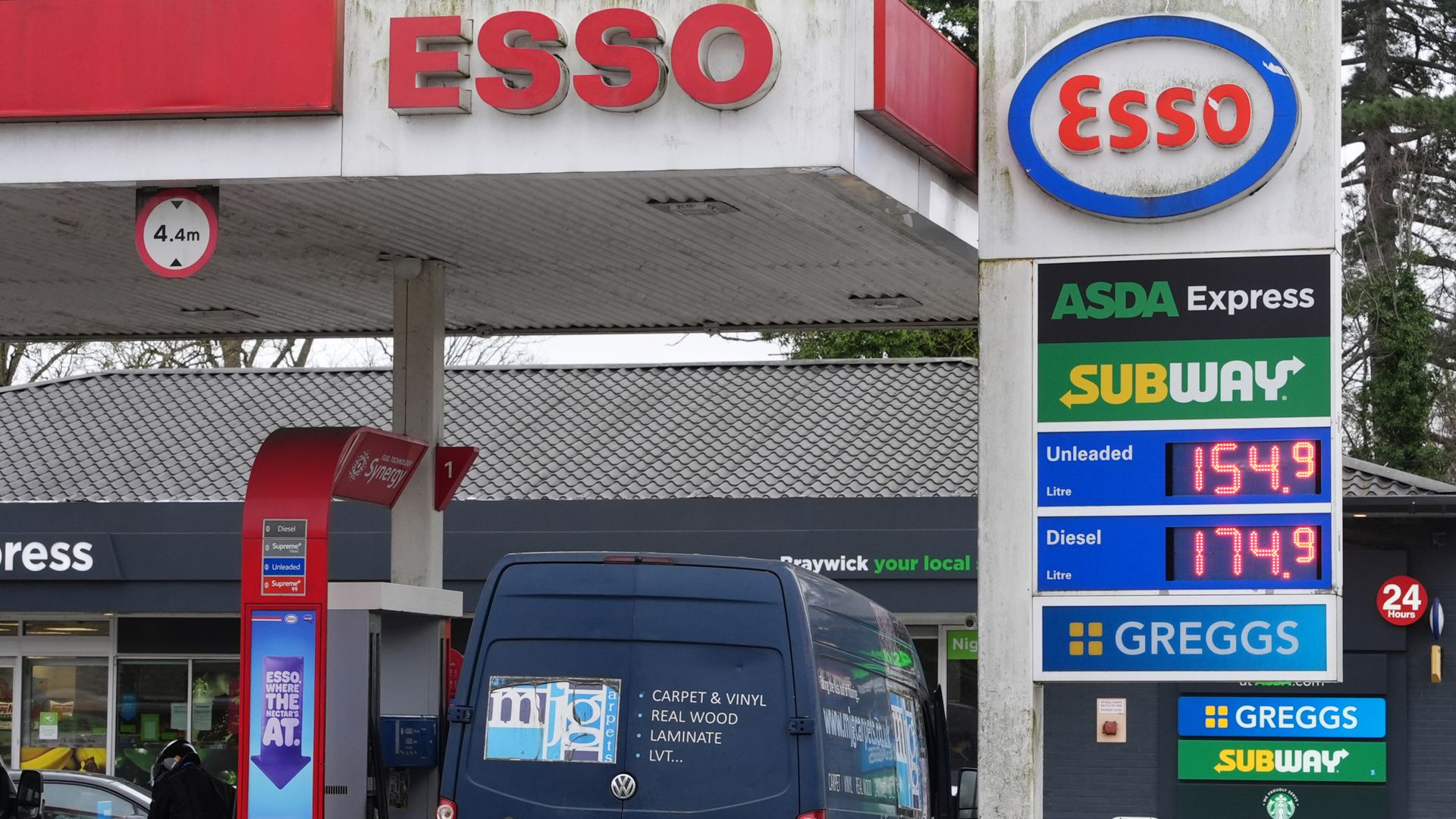
Australia is expensive. That's not exactly breaking news to anyone who’s stood at a petrol pump lately watching the numbers climb faster than a mountain goat on espresso. With fuel prices swinging wildly and the cost of living hitting levels that make a standard grocery run feel like a luxury heist, something had to give. State governments are finally pivoting toward a solution that seemed like a pipe dream a few years ago: making the commute completely free.
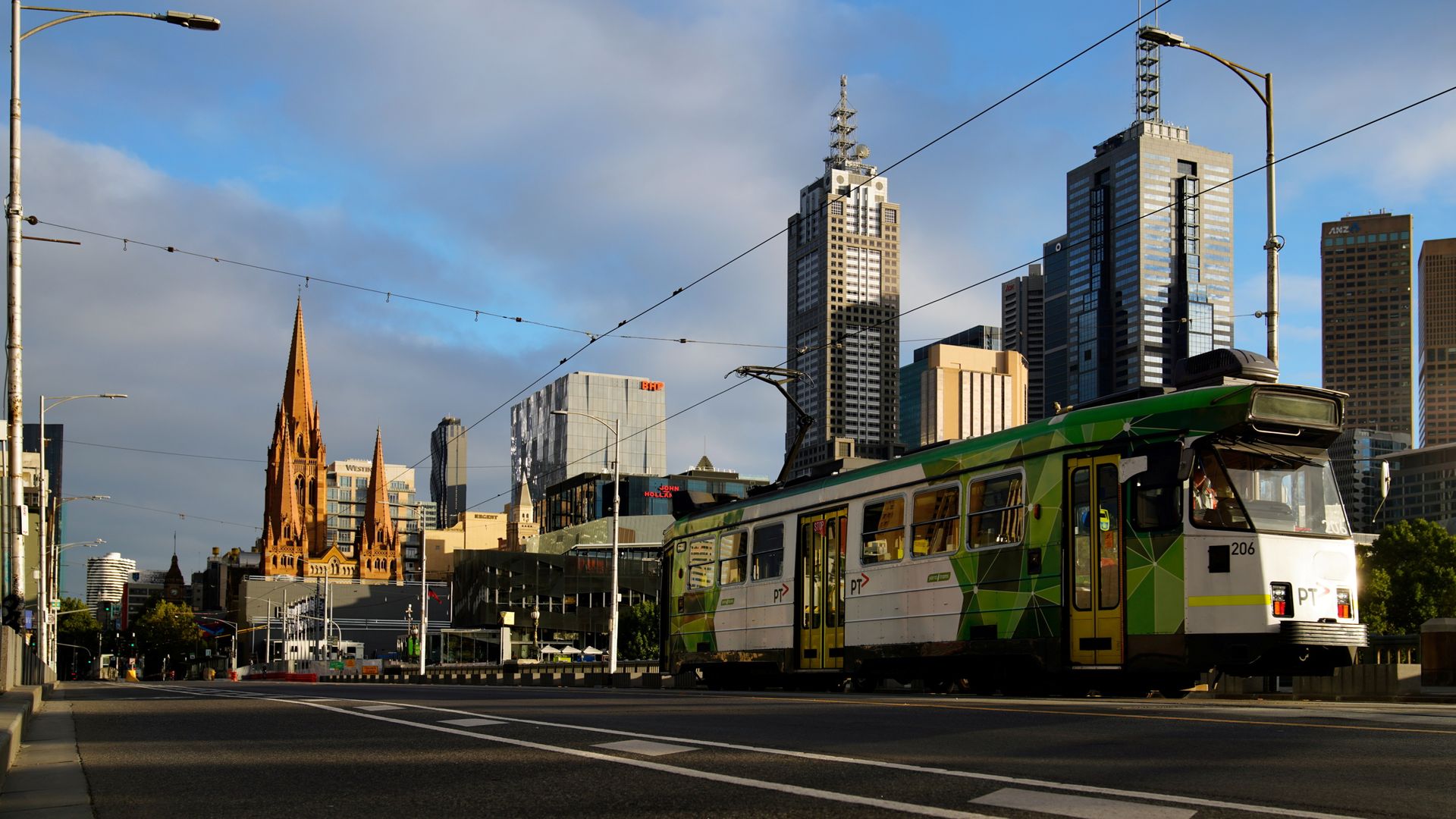
It’s about time. For decades, we’ve treated public transport like a business that needs to turn a profit. That’s a mistake. Public transport is a service, much like a library or a park. When you remove the friction of the Opal, Myki, or Go Card tap-on, you don't just save people a few bucks. You fundamentally change how a city breathes.
The end of the petrol pump nightmare
Let’s look at the math because it’s staggering. If you’re driving a standard SUV from the suburbs into a CBD like Sydney or Melbourne, you’re likely burning through $60 to $100 in fuel every week. Add in the soul-crushing cost of city parking—which can easily hit $40 a day—and you’re looking at a massive chunk of your take-home pay just to show up at work.
The introduction of free transport zones and "fare-free" trial periods across various Australian regions isn't just a nice gesture. It’s an economic lifeline. By removing the cost of the commute, the average worker puts roughly $3,000 back in their pocket annually. That’s a holiday. That’s a significant dent in a mortgage. That’s actual breathing room.
We’ve seen successful models of this in places like Perth’s Free Transit Zone, but the scale is expanding. Queensland’s recent 50-cent fare initiative was a massive wake-up call to the rest of the country. It proved that if you make it cheap enough, people will actually leave their cars at home. The "cost" to the taxpayer to subsidize these fares is often offset by the reduction in road maintenance and the massive boost in local spending when people have more disposable income.
Why car culture is failing our suburbs
Australia has a deep-seated love affair with the car. Our cities were designed for it. Massive sprawling suburbs, giant motorways, and the "Great Australian Dream" of a double garage. But that dream is turning into a logistical nightmare.
Congestion costs the Australian economy billions in lost productivity. Every minute you spend idling in traffic on the Monash or the M1 is time you aren't working, resting, or spending money. More importantly, it's time you're stressed.
Free public transport acts as a pressure release valve. When the barriers to entry—both financial and mental—are removed, the demographic of the "commuter" shifts. It’s not just for students or those without a license anymore. It becomes the default choice for the professional who’s tired of paying for a spot in a concrete parking garage.
The hidden benefits of empty roads
When more people jump on a bus or a train, the people who actually need to drive—tradies, delivery drivers, and emergency services—get where they're going faster.
- Less wear and tear: Fewer cars means fewer potholes and less frequent resurfacing of major arterials.
- Environmental impact: It's the most effective way to slash urban carbon emissions without forcing everyone to buy a $60,000 electric vehicle.
- Mental health: Taking the train allows for "passive time." You can read, listen to a podcast, or just stare out the window. Driving in heavy traffic is "active stress."
Addressing the skeptics who hate "free" stuff
There’s always a vocal group that argues there’s no such thing as a free lunch. They’re right. Someone pays for it. But we’re already paying for the alternative. We pay for the health costs of air pollution. We pay for the multi-billion dollar road expansions that are often at capacity within months of opening.
The biggest fear is usually "overcrowding." Critics worry that if you make trains free, they’ll become rolling homeless shelters or be packed with people who don't need to be there.
Data from international cities like Tallinn in Estonia or various towns in France shows a different story. While patronage spikes, the "chaos" rarely happens. Instead, the increased foot traffic around stations revitalizes local businesses. That little cafe next to the platform suddenly sees three times the customers. The newsagent survives another year. The social benefit far outweighs the loss in farebox revenue, which, in many Australian cities, only covers a fraction of the operating costs anyway.
What needs to happen for this to stick
Simply making a bad service free won't work. If the bus only comes once an hour, it doesn't matter if it’s free or if they pay you to ride it; you're still going to drive your car.
For Australia to successfully transition to a fare-free or heavily subsidized model, we need to focus on three specific areas:
- Frequency is king: The "turn up and go" model is the only way to beat the car. If I have to check a timetable, I’ve already lost.
- The last mile problem: We need better integration with e-scooters, bikes, and local shuttle loops to get people from the station to their front door.
- Safety and cleanliness: Removing fares means the government must double down on transit officers and maintenance. The "free" experience must feel premium, not neglected.
Making the switch today
If you’re still sitting in traffic every morning, it’s time to audit your commute. Check your local state transport website for the latest fare incentives. Many regions are currently running "weekend free" trials or off-peak discounts that people simply aren't using.
Don't wait for a total national rollout. Start by swapping just two days a week. Calculate the fuel you didn't burn and the parking fee you didn't pay. Once you see that extra $80 sitting in your bank account at the end of the week, the "convenience" of your car starts to look a lot more like an expensive habit you can't afford to keep.
Stop donating your hard-earned money to petrol companies and start using the infrastructure your taxes already paid for. The shift is happening, and the more we use these services, the harder it becomes for politicians to take them away or hike the prices back up. Load your local transport app, find your route, and leave the keys on the kitchen counter tomorrow morning.