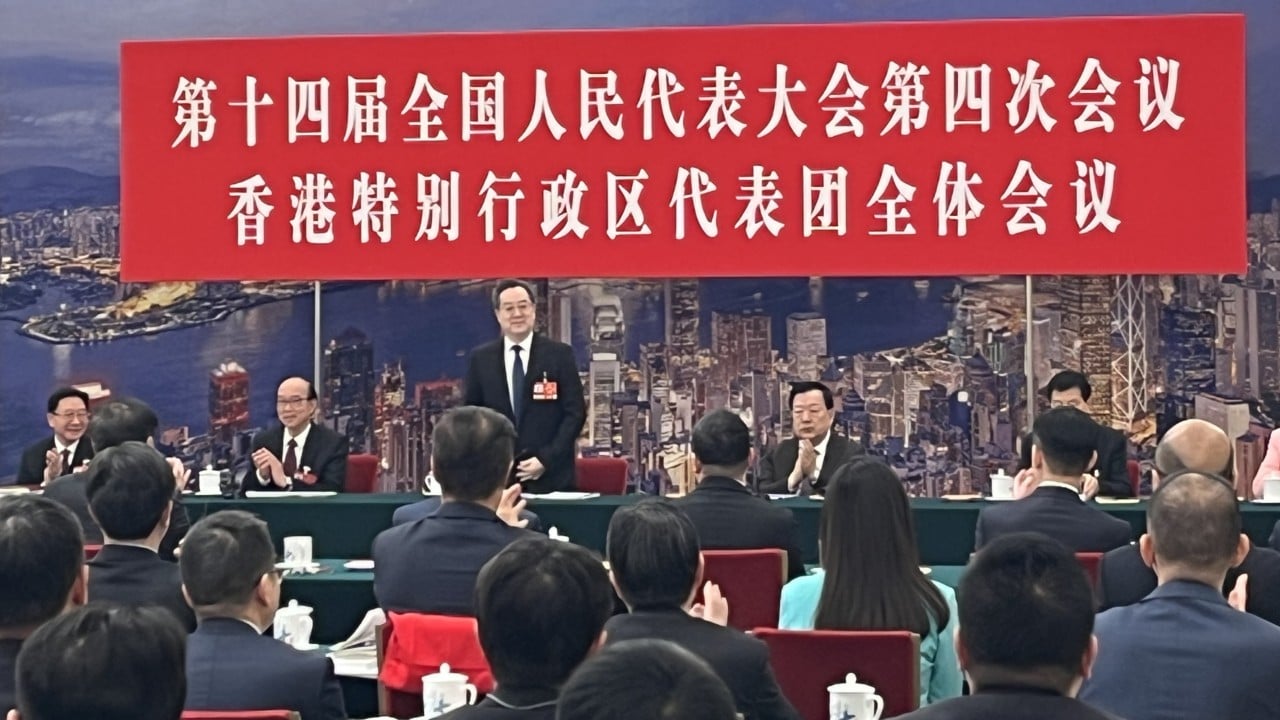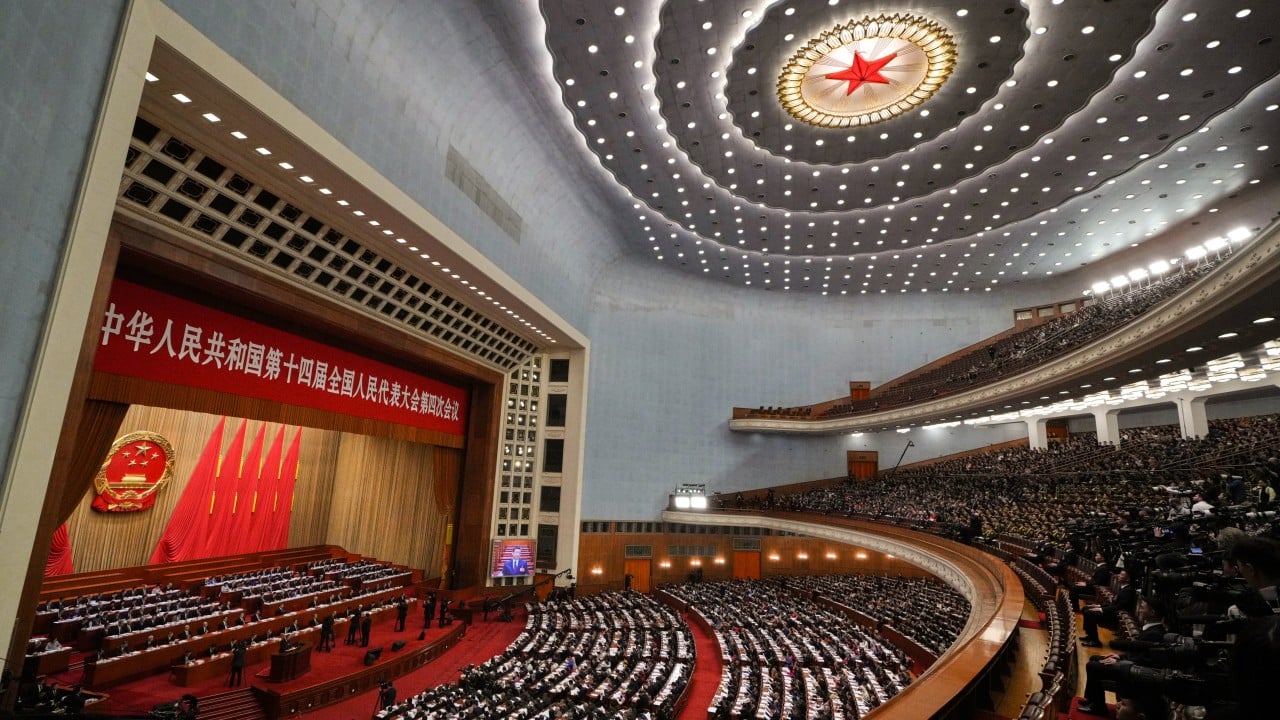
The "Two Sessions" of 2026 represent a fundamental departure from reactive stimulus toward a programmed systemic overhaul. The CCP's dual-track focus on "Zero Corruption" and "Financial Superpower" status is not a moral or prestige project; it is an economic necessity driven by the diminishing returns of debt-fueled growth. To understand the transition, one must analyze the move from a high-trust, relationship-based credit system to a low-trust, algorithmic-governance model designed to eliminate the "corruption tax" that currently drains capital efficiency.
The Cost Function of Institutional Corruption
Corruption in the Chinese context functions as an unofficial friction coefficient on every Yuan of state investment. When Beijing mandates a pivot toward "Zero Corruption," it is targeting three specific systemic leaks that have historically undermined industrial policy: If you enjoyed this article, you should read: this related article.
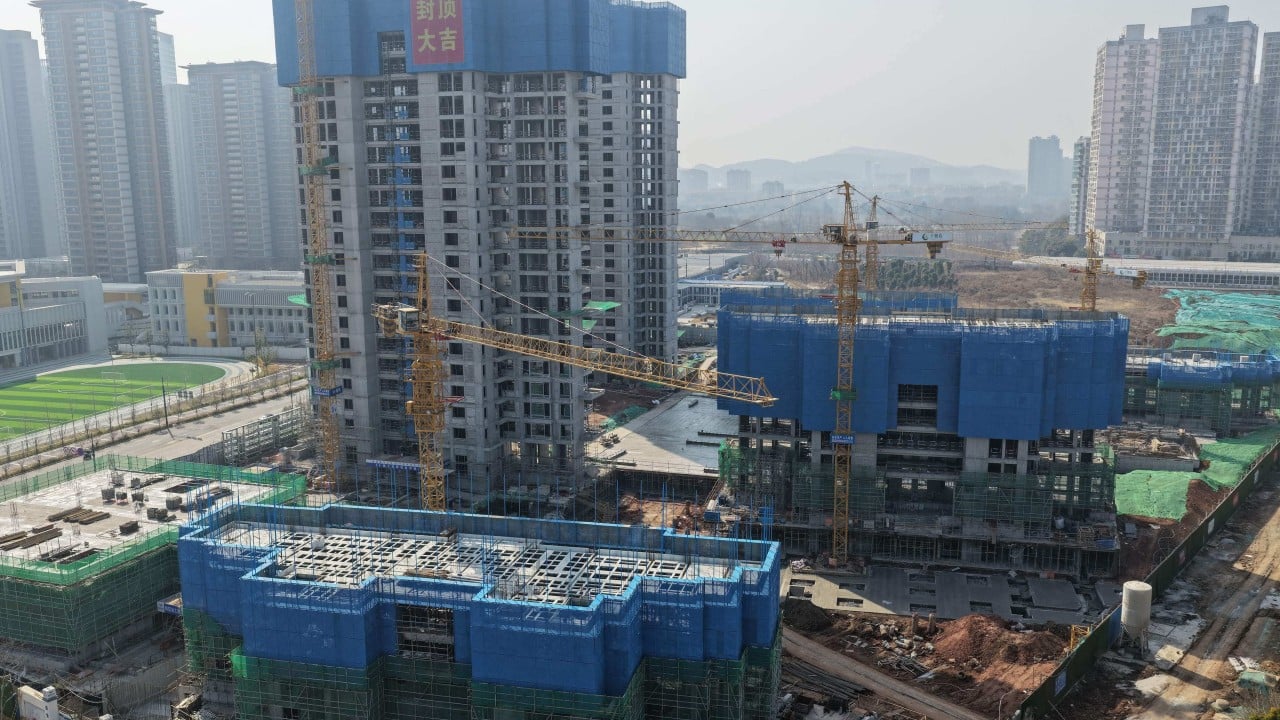
- Capital Misallocation: Local government financing vehicles (LGFVs) often prioritize projects based on kickback potential rather than ROI or strategic utility. This creates "ghost assets" that exist on balance sheets but produce no taxable revenue or productivity gains.
- Information Asymmetry: Corruption obscures the true health of the banking sector. Non-performing loans (NPLs) are frequently hidden through "evergreening" practices facilitated by collusive relationships between regional banks and provincial officials.
- The Innovation Bottleneck: In a high-corruption environment, firms compete for subsidies rather than market share. This leads to "subsidy farming," where R&D funds are recycled into real estate or short-term lending rather than breakthrough technology.
The 2026 strategy replaces discretionary human oversight with a centralized digital ledger system. By integrating the Central Bank Digital Currency (e-CNY) into government procurement and cross-border trade, the state gains the ability to track the velocity and destination of capital in real-time. This is the "Zero Corruption" mechanism: the removal of the physical and digital anonymity required for large-scale embezzlement.
Defining the Financial Superpower Architecture
A "Financial Superpower" is defined by its ability to price assets, dictate credit terms, and insulate its economy from external currency shocks. China’s 2026 roadmap identifies three pillars required to reach this status: For another angle on this story, see the recent coverage from Business Insider.
The Sovereign Credit Pillar
The state is aggressively moving to consolidate the fragmented regional banking system. Smaller, undercapitalized banks are being merged into larger, state-controlled entities to create a unified credit transmission mechanism. This reduces the risk of localized financial contagions and ensures that credit flows to "New Quality Productive Forces"—specifically semiconductors, quantum computing, and green energy—rather than the bloated property sector.
The Pricing Power Pillar
China is shifting from being a "price taker" in global commodities to a "price maker." By leveraging its position as the world’s largest buyer of raw materials, Beijing is mandating that an increasing percentage of these trades be settled in Renminbi (RMB). This is not merely about de-dollarization; it is about building a closed-loop financial ecosystem where the RMB's value is backed by physical industrial capacity rather than speculative capital flows.
The Regulatory Technocracy
The 2026 policy shift elevates the National Financial Regulatory Administration (NFRA) to a position of supreme oversight. This body is now tasked with "functional regulation," meaning it regulates the activity (e.g., lending, insurance, asset management) regardless of which entity performs it. This eliminates the "shadow banking" loopholes that previously allowed tech giants and property developers to act as unlicensed financial institutions.
The Cause and Effect of the Regulatory Compression
The immediate result of this "Financial Superpower" push is a contraction in the wealth management product (WMP) market. Historically, WMPs offered high yields backed by opaque property assets. As the state enforces "Zero Corruption" and transparency, these yields are normalizing toward the risk-free rate of government bonds.
This compression has a secondary effect: it forces private capital into the equity markets. However, for the equity markets to function as a reliable capital-raising tool, the state must ensure institutional-grade transparency. Thus, the anti-corruption drive in the financial sector is a prerequisite for a healthy stock market. Investors will not participate in a market where "insider capture" is the norm. The 2026 crackdown on high-level financial executives is the "cleansing" phase intended to restore domestic and international confidence in Chinese A-shares.
The Bottleneck of Centralized Control
The primary risk in this strategy is the "Rigidity Trap." While removing corruption increases efficiency, it also removes the "grease" that allowed local officials to bypass bureaucratic hurdles. In a perfectly transparent, zero-corruption system, local administrators may become paralyzed by the fear of making a mistake that is permanently recorded on a digital ledger.
This creates a paradox: to become a financial superpower, China needs the dynamism of private enterprise, but the mechanisms used to enforce "Zero Corruption" may inadvertently stifle the risk-taking necessary for innovation.
Strategic Implementation of the 2026 Mandates
Entities operating within the Chinese ecosystem must recalibrate their operations to align with these structural changes. The era of "regulatory arbitrage"—where firms could exploit the gaps between different government departments—is over.
- Data Compliance as Financial Audit: In the 2026 environment, data security is treated with the same gravity as financial solvency. Multi-national corporations must ensure that their data handling practices do not conflict with the state’s centralized monitoring of capital flows.
- Alignment with Industrial Catalogs: Capital will only be accessible to firms that can demonstrate a direct contribution to "Strategic Emerging Industries." Failure to align with the state’s technical roadmap results in immediate "credit starvation."
- The Shift to Operational Excellence: With the "corruption tax" being removed, competition will shift from "who you know" to "what you can produce." Profitability will be driven by technical efficiency and supply chain optimization rather than favorable land deals or subsidized loans.
The transition to a "Financial Superpower" is a multi-decade project, but the 2026 "Two Sessions" provide the blueprint for the infrastructure phase. The goal is to create a state-led, technologically-governed financial system that can withstand the decoupling of global trade. The success of this model depends on whether the state can replace the lost "local initiative" with a more efficient, centralized drive for technical supremacy.
The immediate strategic play for global observers is to monitor the "Credit Spread" between state-backed "New Quality" firms and traditional industrial players. As this gap widens, it signals the successful redirection of the nation's capital soul toward the 2026 objectives. Firms must now prioritize "State Alignment" as their primary risk management metric, ensuring every operational move mirrors the legislative priorities of the centralized financial reset.