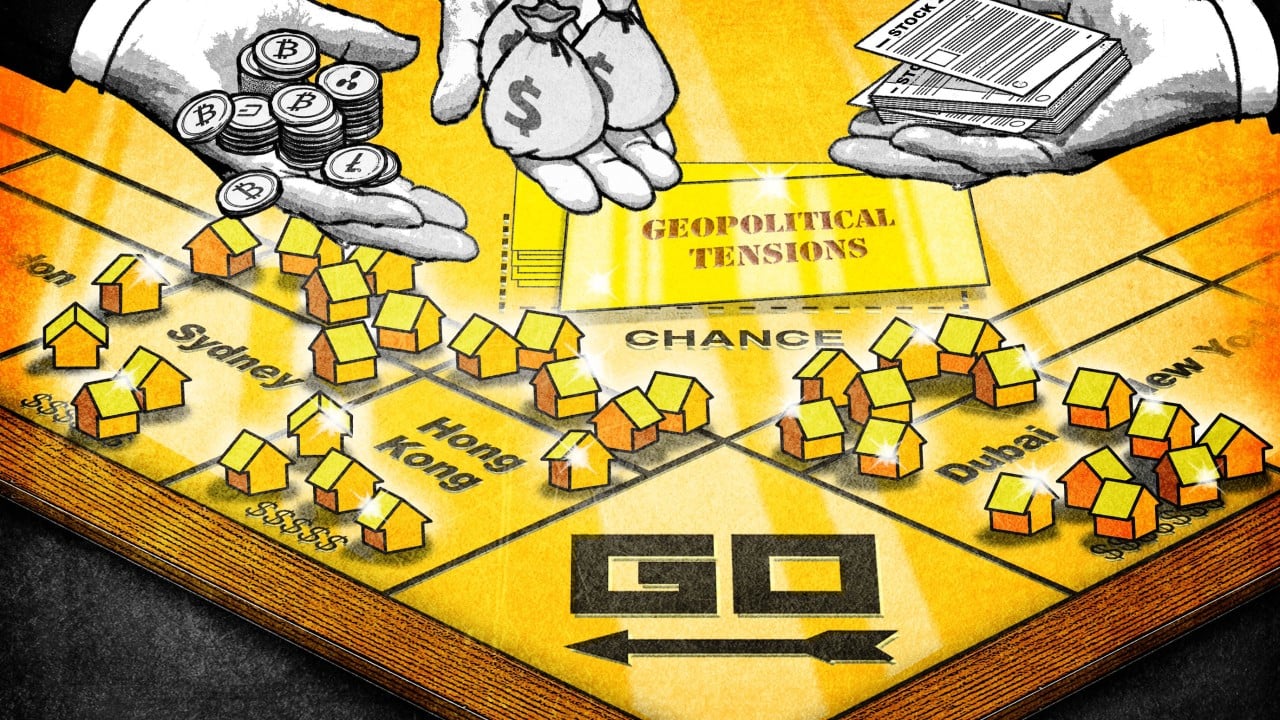
The global elite are moving their money, and the financial press is busy drawing maps that look like they belong in a 1990s textbook. They talk about "stability," "rule of law," and "tax efficiency" as if these are static trophies Hong Kong keeps in a glass case. They are wrong. If you are moving your family office to Hong Kong because you think it’s a "safe haven," you’ve already lost the plot.
Hong Kong isn’t a shelter from the storm. It is the eye of the hurricane.
The consensus view—the one being peddled by consultants who get paid to facilitate visas—is that Hong Kong is "winning" a tug-of-war with Singapore. They point to the 2,700 family offices and the surging wealth management inflows as proof of a comeback. This is a surface-level reading of a much deeper, more volatile shift in how global power functions.
You don't go to Hong Kong for safety. You go there for the friction.
The Myth of Neutrality
For decades, the wealthy treated Hong Kong as a neutral zone, a sort of financial Switzerland with better dim sum. That version of the city is dead. If you’re looking for a place where you can hide from geopolitical reality, go buy a farm in New Zealand or a condo in Zurich.
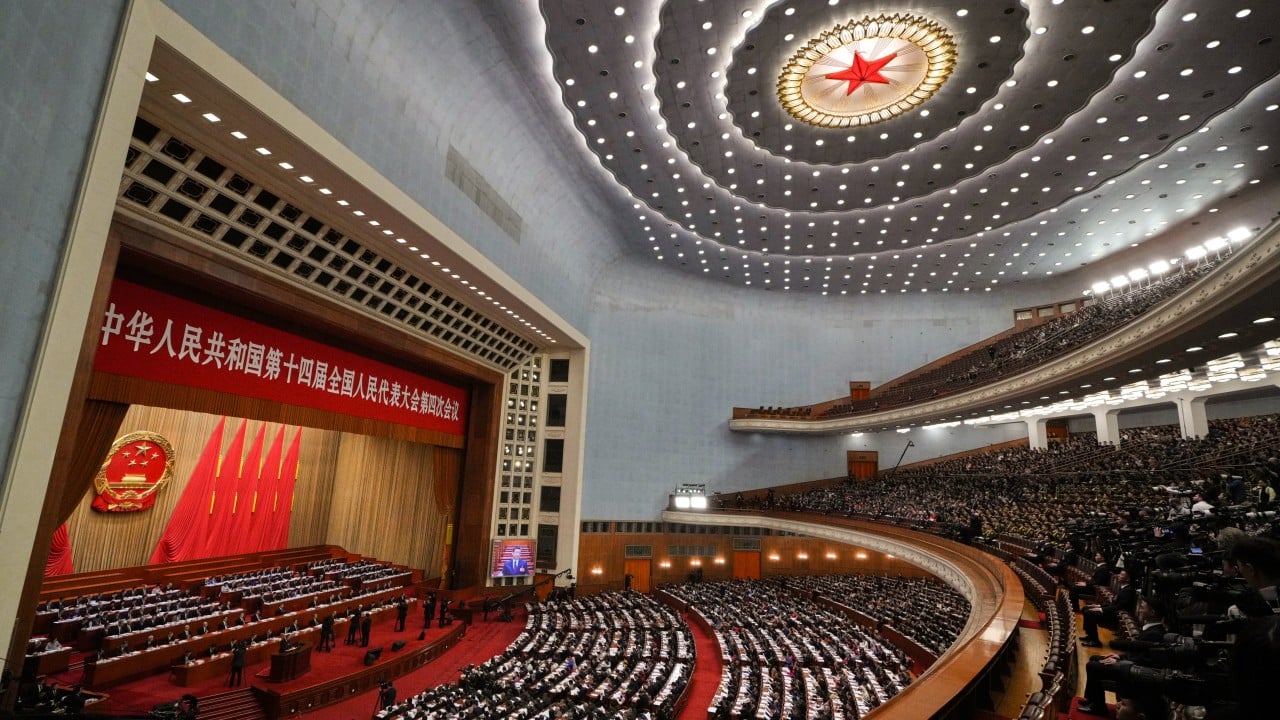
The new Hong Kong is explicitly a gateway to the most aggressive economic expansion in modern history. It is no longer a bridge; it is a funnel. The "Common Law" system that everyone loves to cite is being stress-tested by a governance model that prioritizes national security over laissez-faire whims.
Does this mean the money is leaving? No. It means the type of money is changing. We are seeing a massive rotation. The old Western institutional capital is being replaced by mainland liquidity and Middle Eastern sovereign wealth. If you are still evaluating the city based on how many New York bankers are at the Captain’s Bar, you are measuring the wrong metrics.
Singapore is the Waiting Room, Hong Kong is the Trading Floor
The lazy comparison always pits Hong Kong against Singapore. The narrative goes like this: Singapore is the "clean, safe, boring" alternative, while Hong Kong is the "risky, chaotic" veteran.
I’ve sat in boardrooms in both cities. Here is the reality: Singapore is where you go to preserve wealth. Hong Kong is where you go to deploy it.
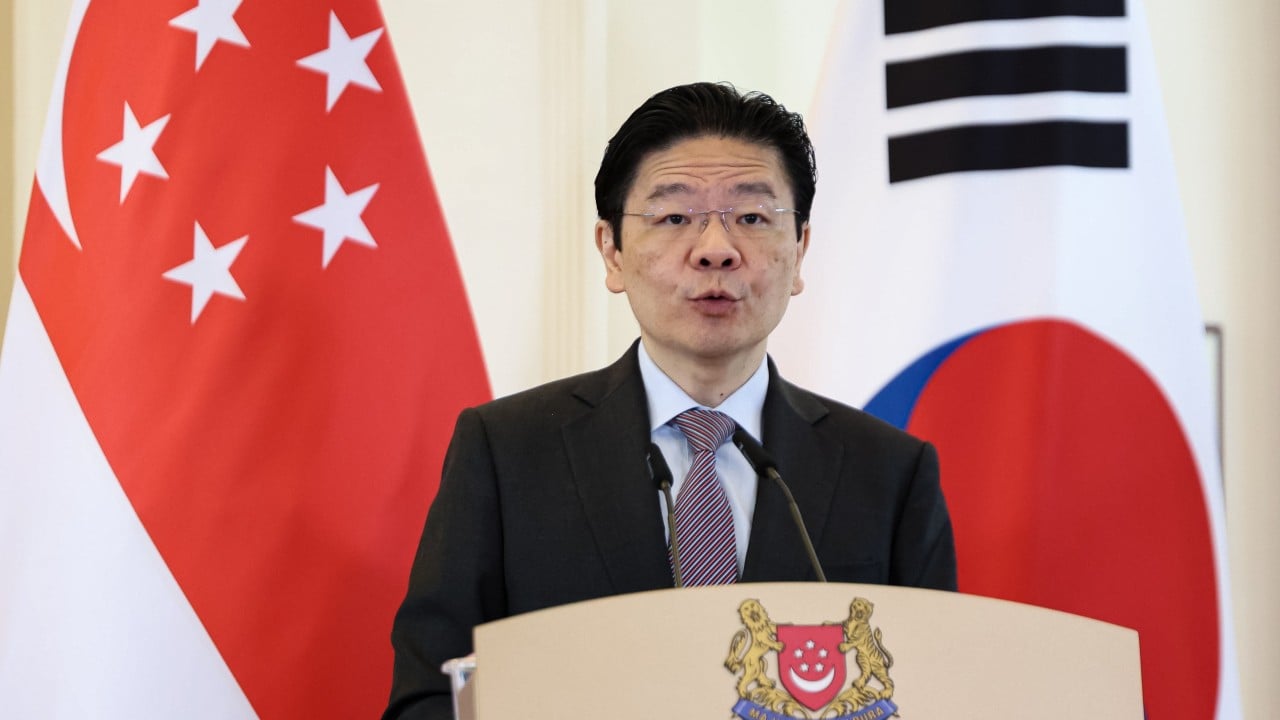
Singapore’s family office tax exemptions (Section 13O and 13U) are great for people who want to park $50 million and let it grow at 4% while they play golf at Sentosa. But the liquidity in Singapore is a puddle compared to the ocean in Hong Kong. The Hong Kong Stock Exchange (HKEX) remains the only place where you can tap into the massive retail and institutional base of mainland China through the various "Connect" schemes.
If your goal is to be close to the manufacturing heart of the world and the largest consumer market on the planet, Singapore is a thousand miles in the wrong direction. Stop asking which city is "better" and start asking if you want to be a spectator or a participant.
The Family Office Delusion
The industry is obsessed with the number of family offices. It’s a vanity metric.
I have seen families blow millions setting up elaborate structures in the West Kowloon Cultural District only to realize they have no idea how to navigate the local bureaucracy. They think a "low tax rate" is a business strategy. It isn't. It's a perk.
The real challenge in Hong Kong isn't the tax man; it’s the talent war. You aren't competing with other family offices for staff. You are competing with the tech giants of Shenzhen and the state-backed firms of Beijing. The cost of entry has shifted from "can you afford the rent?" to "can you survive the pace?"
The Counter-Intuitive Truth About Regulation
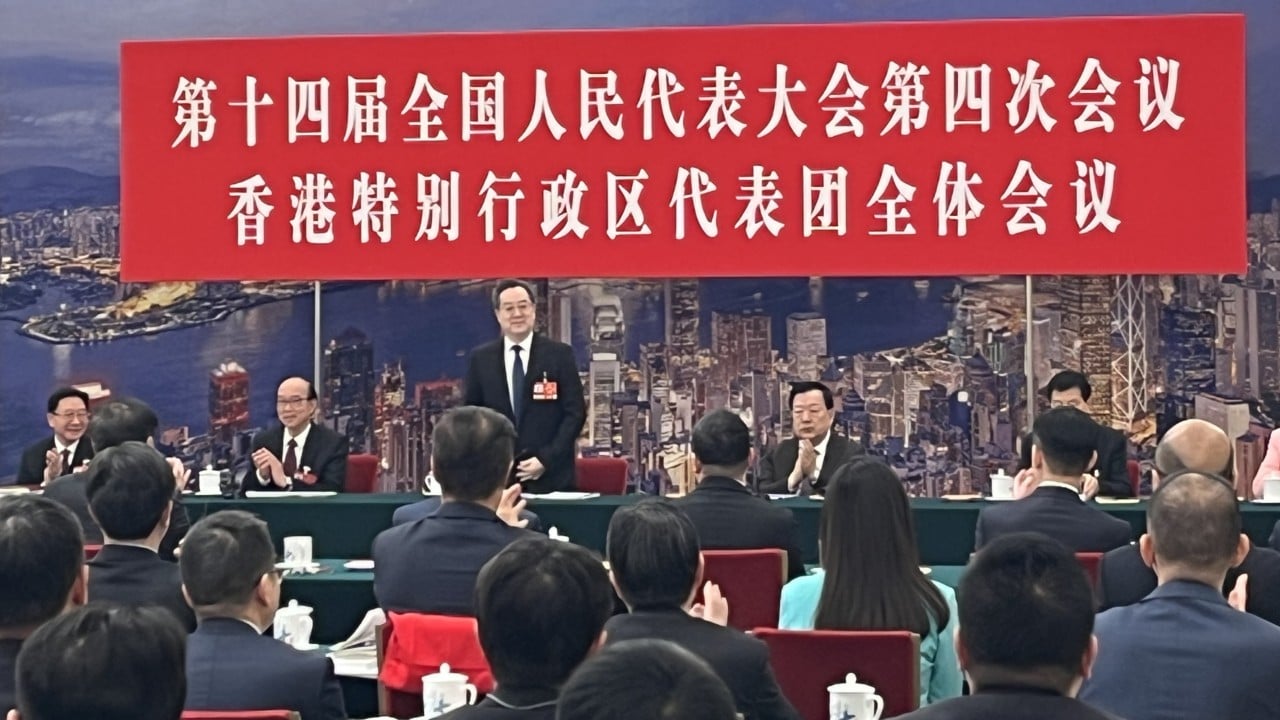
Everyone complains about the tightening grip of regulation in the HKSAR. The contrarian take? This is actually a feature, not a bug.
In a world where crypto-anarchy and decentralized finance have led to massive fraud, a high-friction, highly regulated environment is exactly what institutional-grade wealth needs. The "wild west" days of Hong Kong are over, and thank God for that. The introduction of the Virtual Asset Service Provider (VASP) licensing regime wasn't a crackdown; it was an invitation. It signaled that the government is willing to provide a framework for the next generation of assets, provided you play by the rules.
If you want "unregulated," go to a Caribbean island and hope your exchange doesn't vanish overnight. If you want to build a multi-generational legacy, you need the heavy hand of a regulator that actually knows how to count.
The Real Estate Trap
The competitor piece will tell you that the property market is "recovering." This is a lie.
The residential property market in Hong Kong is undergoing a structural correction that has nothing to do with interest rates and everything to do with social engineering. The government is finally tackling the housing crisis because they realize that a city where a schoolteacher can’t afford a flat is a city that will eventually burn.
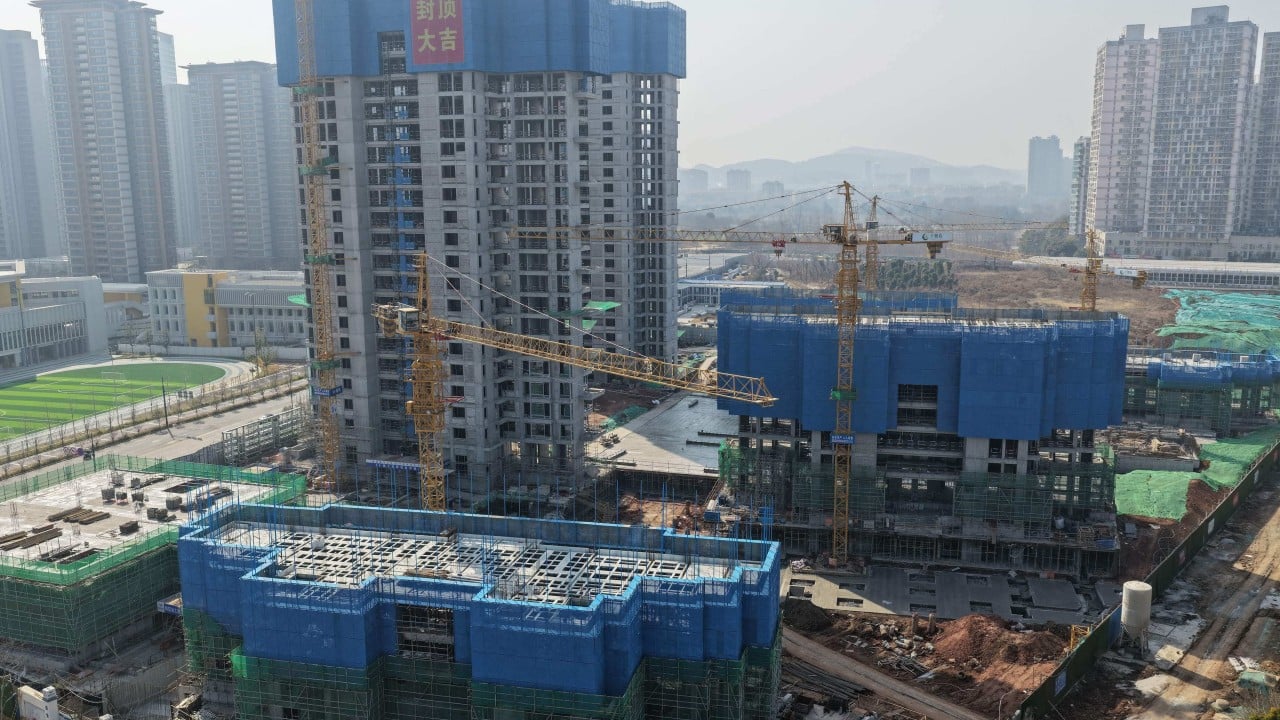
If you are buying "luxury" residential units as an investment, you are catching a falling knife. The real value has shifted to industrial conversions and logistics hubs. The "property map" isn't being rewritten; it's being shredded. The wealth is moving into digital infrastructure and biotech, not another gold-plated tower in Mid-Levels.
How to Actually Play This
Stop looking for "stability." Stability is a lagging indicator. By the time a city feels stable, the alpha is gone.
If you want to win in this new version of Hong Kong, you need to do three things:
- Stop Hedging: You cannot be "half-in" on China. If you are using Hong Kong as a backup plan, the local ecosystem will sniff you out and ignore you. You have to commit to the Greater Bay Area (GBA) integration.
- Follow the Talent, Not the Tax: Move your operations to where the engineers are, not just where the accountants are.
- Embrace the Friction: Use the regulatory hurdles as a moat. If it’s hard for you to set up, it’s hard for your competitors too.
The world’s wealthy aren't relocating to Hong Kong because it's easy. They are relocating because it's hard. And in the world of high finance, "hard" is where the profit lives.
The era of the passive tax haven is over. Welcome to the age of the fortress.
Build your walls, or get out of the way.