The days of Singaporean developers seeing China as a bottomless gold mine are officially over. If you've been tracking the Straits Times Index, you've likely seen the red ink splashed across the latest earnings reports of the city-state's biggest property players. It isn't just a minor rough patch. It’s a fundamental shift in how the region’s smartest capital is behaving.
CapitaLand Investment (CLI) recently dropped a bombshell, reporting a net loss of $142 million for the second half of 2025. Just a year prior, they were sitting on a $148 million profit. The culprit? A massive $545 million write-down on its Chinese assets. When a behemoth like CLI starts bleeding cash because of office parks in Shanghai and malls in Wuhan, it's a signal that the "wait and see" strategy has failed.
The China Property Trap for Singapore Firms
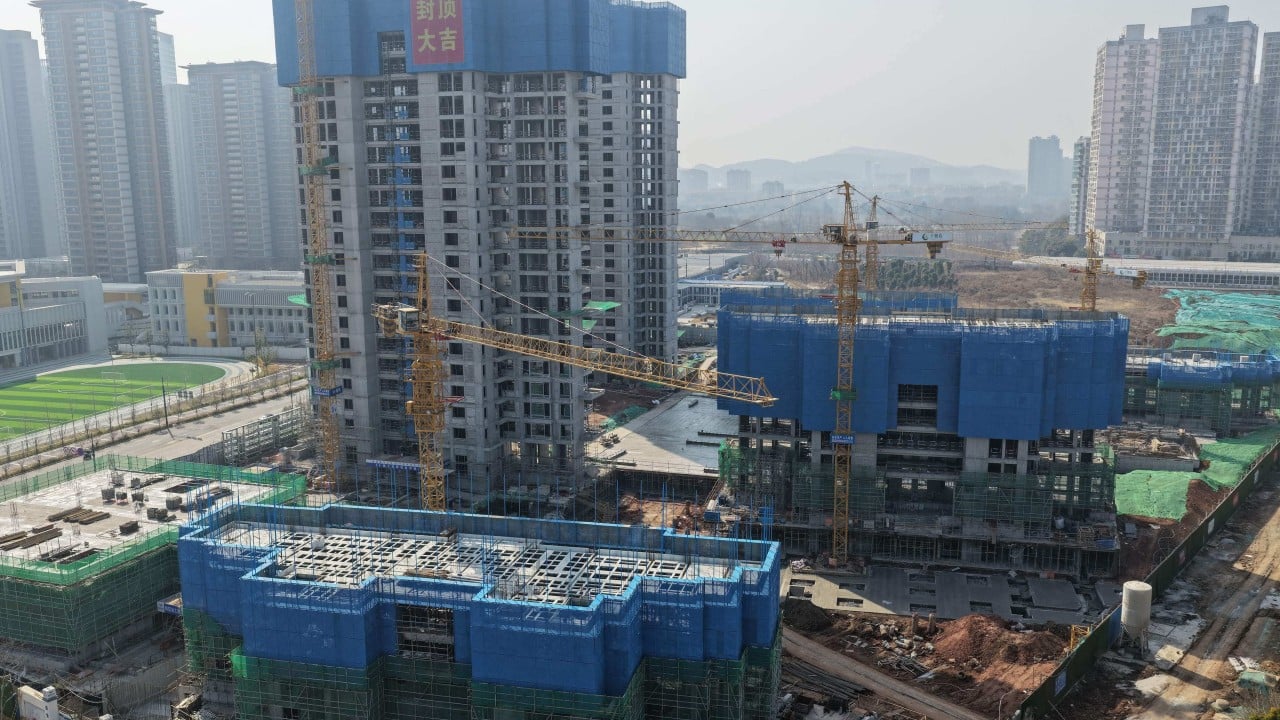
For decades, the playbook for Singapore developers was simple: take the expertise gained from building a world-class city-state and export it to China’s rapidly urbanizing Tier-1 and Tier-2 cities. It worked beautifully until it didn't. Beijing’s "Three Red Lines" policy, launched back in 2020, didn't just discipline local developers; it sucked the oxygen out of the entire ecosystem.
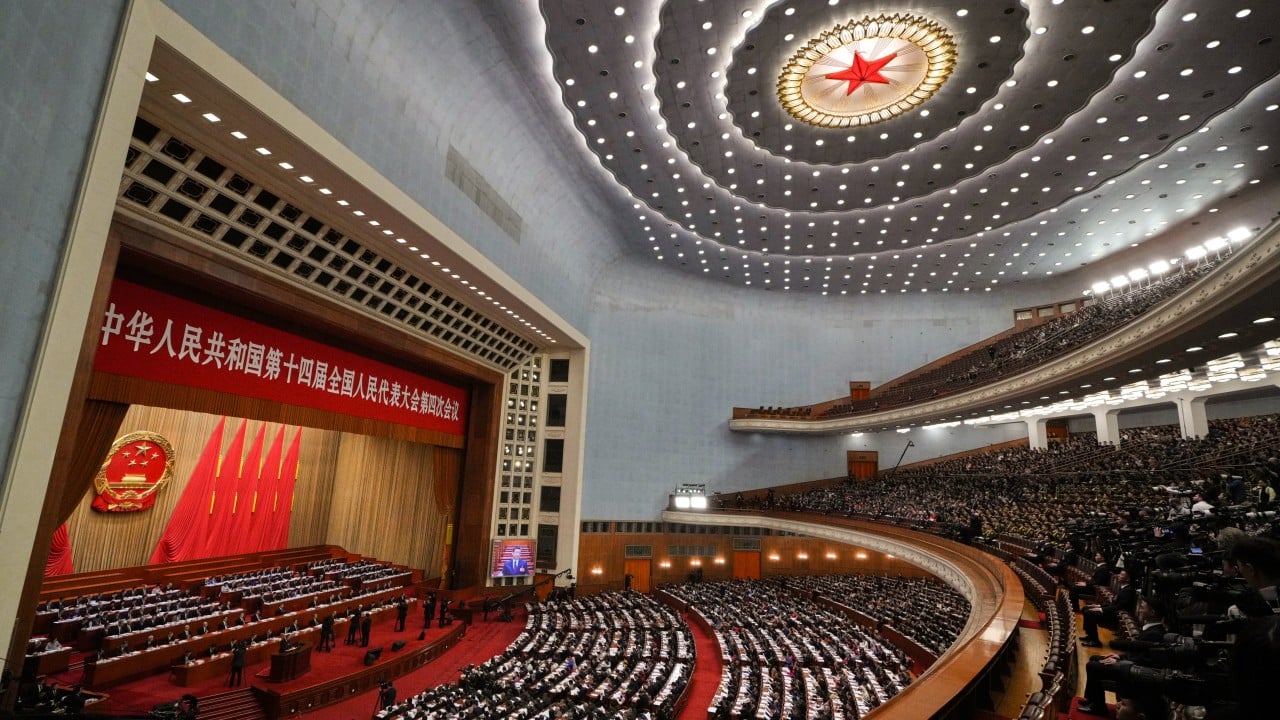
By March 2026, the situation has matured into a chronic stagnation. China’s 2026 "Two Sessions" meetings just lowered the national GDP growth target to a range of 4.5% to 5%. That's the lowest in decades. For developers like City Developments Limited (CDL), the pain is visible in the occupancy rates. CDL’s China office portfolio saw committed occupancy crater to 27.6% last year, down from nearly 60%. Imagine owning a skyscraper where seven out of ten floors are ghost towns. That’s the reality of the Beijing office market right now.
The problem isn't just that people aren't buying homes. It’s that the businesses that rent offices and the consumers who frequent malls have tightened their belts so much that the valuation models used five years ago are now useless.
Why the Giants Aren't Packing Their Bags Just Yet
You might wonder why these firms don't just sell everything and run. Honestly, they can't. In the current market, trying to offload a massive commercial portfolio in China is like trying to sell a winter coat in the middle of a Sahara heatwave. There are no buyers at the prices these developers need to break even.
Instead, we're seeing a tactical retreat.
- Capital Recycling: Companies are trying to move assets into REITs (Real Estate Investment Trusts). CapitaLand China Trust (CLCT) is a prime example. They’re trying to shift from being "owners" to "managers," collecting fees instead of betting on property price appreciation.
- Selective Tier-1 Focus: If you own a prime spot in the heart of Shanghai or Beijing, you hold on and pray. If you’re in a Tier-3 city where the "zombie" projects are piling up, you write it off and move on.
- Currency Hedging: Smart money is moving into CNH-denominated loans to offset the yuan's volatility. If your assets are losing value in yuan, you at least want your debt to shrink in tandem.
The Pivot to Southeast Asia and Beyond
While China cools, Singaporean developers are looking closer to home. There’s a noticeable "nearshoring" trend. As Chinese firms move production to Southeast Asia to dodge trade tensions, Singaporean developers are following the money. They’re building the industrial parks and logistics hubs in Vietnam, Malaysia, and Indonesia that these fleeing firms need.
Singapore itself remains the "safe haven" play. While the China portfolio drags down the headline numbers, the domestic market in Singapore keeps these companies afloat. Private property prices in Singapore have remained resilient, even as the global economy slows. Developers are bidding aggressively for local land because they know they can actually sell the finished units here.
Don't Expect a Quick Recovery
If you’re waiting for a massive Beijing-led stimulus to save the day, don't hold your breath. The Chinese government has made it clear that "housing is for living, not for speculation." They’re prioritizing "high-quality growth"—which basically means they’re okay with the property sector being a smaller, less exciting part of their economy.
For the Singaporean investor, this means the "China discount" on stocks like CLI and CDL is here to stay for a while. These companies are effectively two businesses: a high-performing Singapore/International real estate manager and a distressed China asset holder.
What you should do next
If you're holding shares in Singapore developers or considering a move into the sector, you need to look past the "operating profit" and dig into the "revaluation losses."
- Check the Debt: Look for developers who have successfully refinanced into local Chinese currency to hedge their risks.
- Watch the Occupancy: If a developer’s China office occupancy is below 50%, that asset is a liability, not an investment.
- Diversification is Key: Prioritize firms that are aggressively expanding their "asset-light" models in India, Australia, or Southeast Asia.
The era of easy wins in Chinese real estate is buried. The survivors will be those who can manage the decline without letting it sink the whole ship.