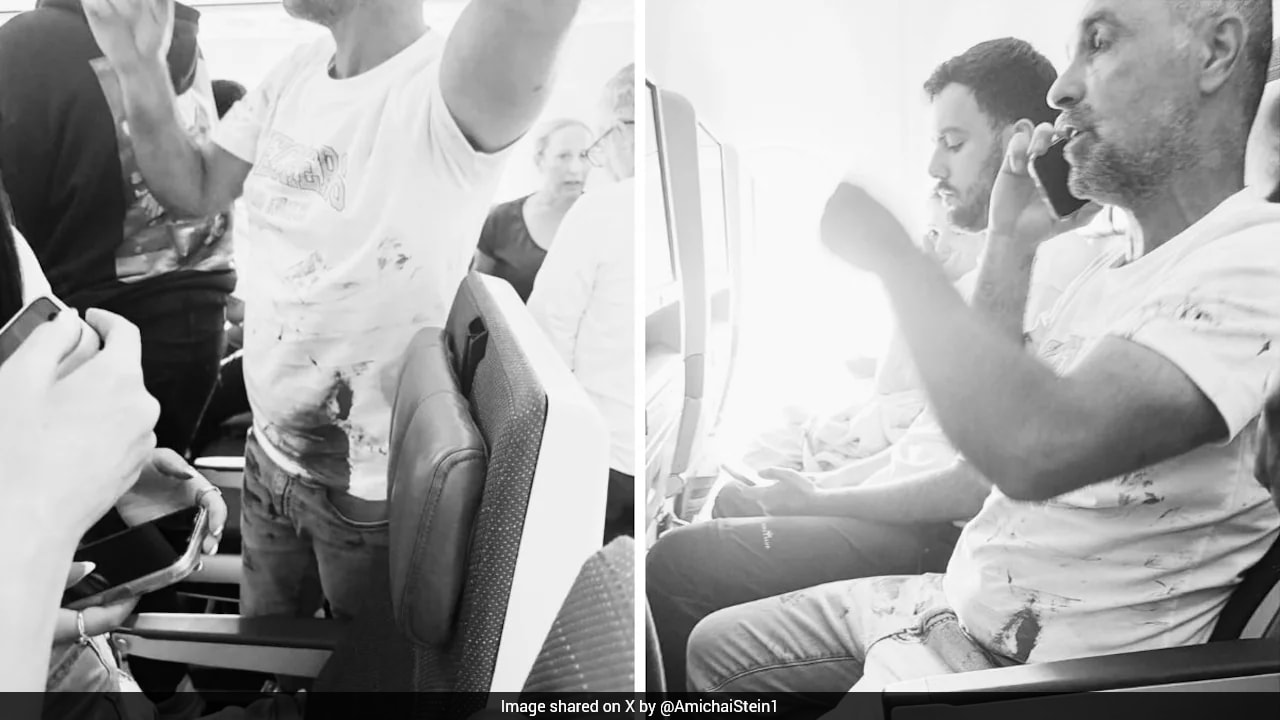
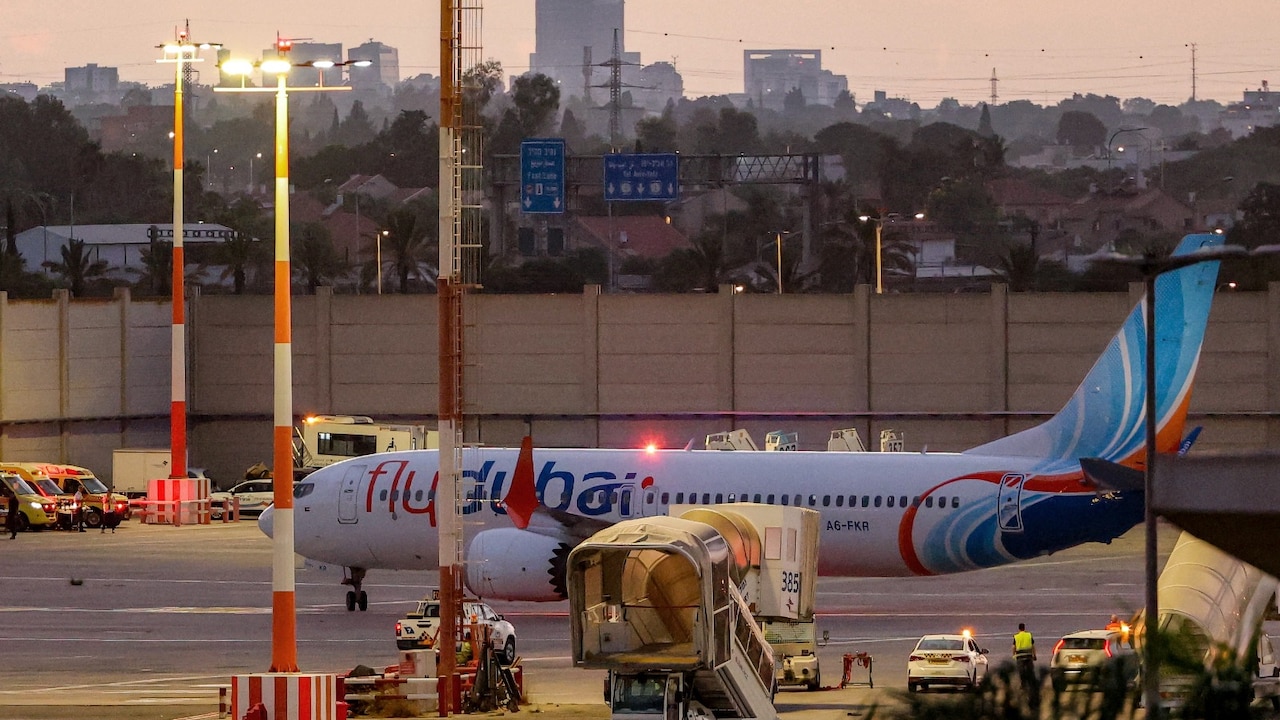
Commercial aviation safety models rely heavily on the assumption of nominal human performance under extreme stress, yet catastrophic human-on-human violence within a pressurized flight deck represents a critical failure mode in cockpit resource management and physical security architecture. When an aviation incident involves an intentional security breach, such as an in-flight assault on the flight crew, the subsequent operational trajectory is governed by strict emergency aviation protocols, risk mitigation matrices, and secondary containment failures. Deconstructing the sequence of events following an emergency diversion reveals the structural vulnerabilities inherent in modern flight deck security systems, the decision-making calculus of emergency descents, and the systemic strain placed on ground-level crisis management infrastructure.
The Taxonomy of Flight Deck Security Failures
Modern commercial aviation security is built upon the concept of the hardened flight deck door, a post-September 11 regulatory mandate designed to prevent unauthorized physical access from the passenger cabin. However, this architectural barrier introduces a secondary vulnerability: the interior of the flight deck becomes a closed ecosystem where access control is binary. When a threat originates internally—whether through pilot incapacitation, medical emergency, or deliberate insider violence—the physical barriers meant to protect the crew can conversely trap them or restrict immediate external intervention.
To analyze the structural breakdown during an in-flight assault, security analysts look at three distinct vectors:
- Physical Access Asymmetry: The reinforced door secures the flight deck against external intruders, but provides zero structural defense against authorized occupants or breaches facilitated by authorized entry protocols (such as meal service or pilot rotation).
- Communication Latency: Internal distress signals, such as transponder squawk codes (e.g., 7500 for unlawful interference, 7700 for general emergency), require deliberate physical input from pilots who may simultaneously be engaged in physical combat or severe spatial disorientation.
- Crew Resource Fragmentation: A two-person or three-person flight deck operating under sudden kinetic violence experiences an immediate degradation of the standard operating procedures (SOPs) required to split pilot-flying and pilot-monitoring duties.
The cascade effect of a captain or first officer becoming incapacitated mid-flight forces the remaining operational crew into an emergency triage state. The immediate priority shifts from routine navigation to physical containment of the assailant, preservation of aircraft control, and execution of a rapid emergency descent profile.
The Aerodynamics and Logistics of Emergency Diversions
When a critical safety incident forces an unscheduled landing, the diversion process is not merely a matter of pointing the nose toward the nearest concrete. It is a high-stakes operational equation balancing aircraft performance limits, fuel weight, airspace congestion, and ground-side medical infrastructure.
The physical mechanics of an emergency diversion following an onboard violent incident involve several compounding operational constraints:
[Threat Identification] --> [Flight Deck Lockdown / Control Stabilization] --> [Squawk & ATC Declaration] --> [Descent Calculation & Weight Dump] --> [Emergency Runway Assignment & Ground Triage]
The Weight-Versus-Distance Calculus
Long-haul aircraft departing regional or intercontinental hubs often carry maximum structural takeoff weight (MTOW), including thousands of gallons of jet fuel. Landing an aircraft significantly above its Maximum Landing Weight (MLW) introduces severe structural risks to the landing gear and airframe spars. However, in an active security crisis or a medical emergency involving an exsanguinating crew member, the time required to burn fuel or execute an aerial fuel dump is a luxury flight crews rarely possess. The decision matrix forces commanders to weigh the structural risk of an overweight landing against the imminent mortality risk inside the cabin.
Air Traffic Control and Airspace Integration
Declaring an emergency (Mayday) grants the aircraft absolute priority, forcing civilian and military air traffic control (ATC) agencies to clear corridors immediately. In high-density airspace, vectoring a wide-body aircraft to an emergency descent requires clearing hundreds of thousands of feet of vertical altitude blocks across multiple sectors. The friction coefficient in this process is communication clarity; if internal cockpit communication is compromised by physical struggle, ATC instructions and pilot read-backs suffer from critical latency.
Ground-Side Incident Command and Multi-Agency Triage
Once the aircraft touches down, the operational paradigm shifts entirely from aviation engineering to ground-side crisis management. The handling of an emergency flight carrying an injured or deceased captain involves a complex multi-agency handoff between airport operations, local law enforcement, federal aviation authorities, and emergency medical services (EMS).
The friction points in post-landing triage typically manifest across three operational tiers:
- Containment and Forensics: Unlike a standard medical emergency where paramedics immediately board the aircraft, a violent crime scene aboard an aircraft requires law enforcement containment before medical triage can fully proceed, creating a dangerous window of delay for critically injured personnel.
- Jurisdictional Complexity: Aviation incidents occurring in international airspace or during transit over foreign sovereign territories trigger complex jurisdictional frameworks governed by international aviation treaties (such as the Tokyo Convention), dictating which nation holds primary authority to investigate the crime and interview witnesses.
- Passenger Psychological Decompression: Disembarking passengers from an active crime scene flight requires specialized security screening, isolation from media and external communication to preserve evidentiary integrity, and immediate psychological trauma support.
Systemic Resilience and Preventative Engineering
Mitigating the recurrence of flight deck violence requires moving past reactive crisis management toward predictive operational security models. The economic and operational trade-offs of modifying commercial flight deck protocols are substantial, but the systemic cost of a total control breakdown justifies continuous engineering and procedural iteration.
Future hardening of commercial flight operations depends on the integration of enhanced telemetry, biometric monitoring of flight crews, and more rigorous behavioral anomaly detection during pre-flight staging. Furthermore, the decentralization of flight deck emergency overrides—allowing designated ground operations or multi-factor authentication protocols under extreme verified distress—represents a technological frontier that aviation safety boards must evaluate to eliminate single points of failure in cockpit security architecture.