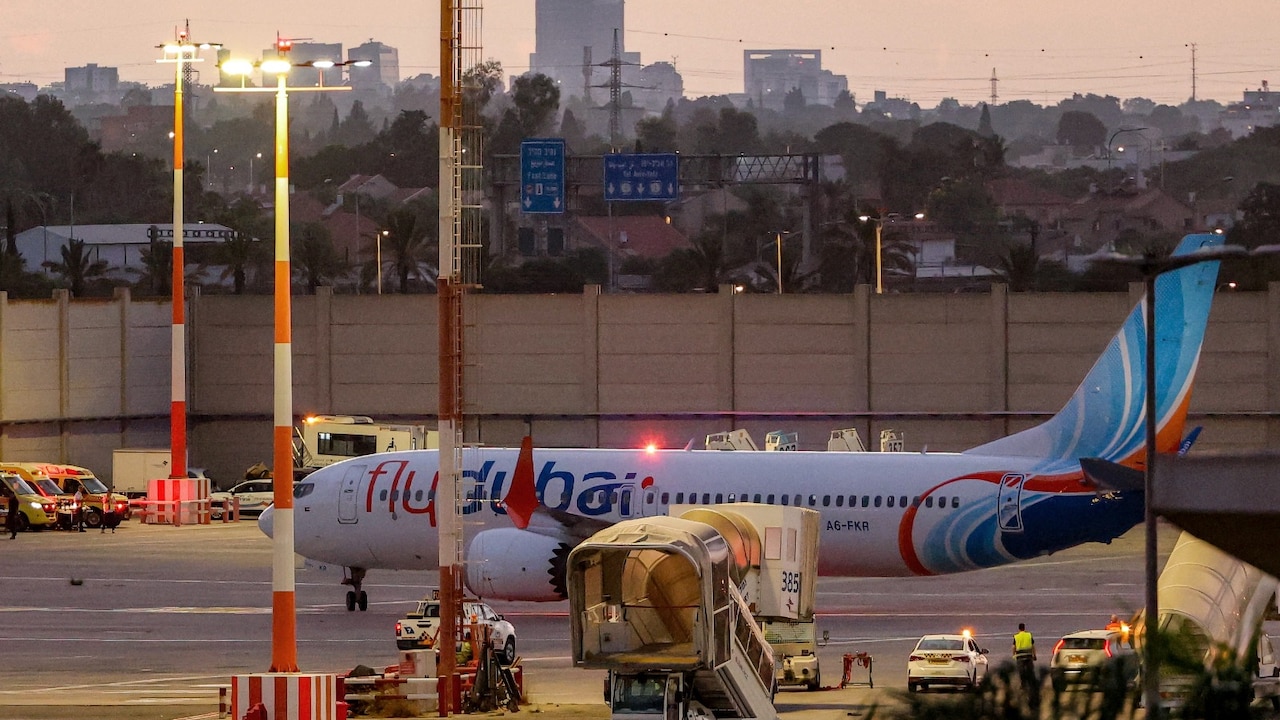
A commercial flight is supposed to be a predictable routine. You board, stow your bag, stare at the safety card, and wait for takeoff. But on September 30, flight FZ1073 from Dubai to Tel Aviv shattered that illusion entirely. What started as a routine international leg turned into a terrifying cockpit altercation when the assistant captain allegedly attempted to seize control of the aircraft. Thanks to quick-thinking crew members, passengers, and an off-duty pilot crew traveling on board, a catastrophe was averted, and the plane touched down safely in Saudi Arabia.
That single cockpit breach didn't just disrupt a Tuesday itinerary. It triggered an aviation standoff that has grounded direct connections between Dubai and Ben Gurion Airport for months. With cancellations recently pushed out through mid-December, passengers, airlines, and security officials are left grappling with a fallout that goes far beyond a single disrupted route. For a more detailed analysis into this area, we suggest: this related article.
The Anatomy of a Security Breakdown
When news broke that flight FZ1073 had diverted to Tabuk, most people assumed it was a standard medical emergency or a minor technical glitch. The reality proved far more unsettling. Prosecutors in the United Arab Emirates later stated that the co-pilot had premeditated intentions to compromise the aircraft.
For the aviation industry, the incident exposed a glaring blind spot. Intelligence and security analysts quickly pointed out that vetting procedures for foreign flight crews often lacked independent local oversight. Crew manifests were frequently handled through automated or routine clearance channels, leaving host nations with little visibility into individual cockpit personnel. When an insider threat materializes inside a sealed flight deck, traditional perimeter security at the departure gate becomes entirely irrelevant. For further background on this topic, extensive coverage is available on AFAR.
Why the Route Remains Grounded
Months after the incident, getting between Dubai and Tel Aviv requires creative routing or relying on alternative carriers. You might wonder why flydubai hasn't simply flipped the switch and resumed normal operations.
The delay isn't just about corporate caution. It has morphed into a complex diplomatic and security tug-of-war.
- Stricter Vetting Protocols: Israeli security ministries instituted a complete overhaul of how foreign airline crews are cleared, demanding rigorous background checks and advance notice for flight rosters.
- Reciprocity Disputes: Emirati authorities have balked at allowing unilateral restrictions where flydubai remains grounded while Israeli carriers like El Al face their own delays or stalled return timelines.
- Diplomatic Balancing: High-level delegations continue shuttling between Dubai and Tel Aviv to iron out mutual safety guarantees, but reaching a consensus takes time when national security is the baseline.
Right now, Etihad Airways remains one of the few steady direct links operating out of Abu Dhabi, forcing travelers to adjust their transit plans or look toward alternative hubs.
What This Means for Frequent Flyers
If you have travel plans involving the UAE and Israel over the coming weeks, don't expect an immediate return to normal. Airlines are extending their suspension windows as bilateral talks crawl forward.
Always check your carrier's operational alerts directly rather than relying on third-party booking engines, which often lag behind schedule updates. If you are holding tickets for affected flights, look into rebooking options through alternative regional connectors or request full refunds proactively. The skies are generally safe, but this incident serves as a stark reminder that aviation security protocols evolve only after someone tests the limits of the system.