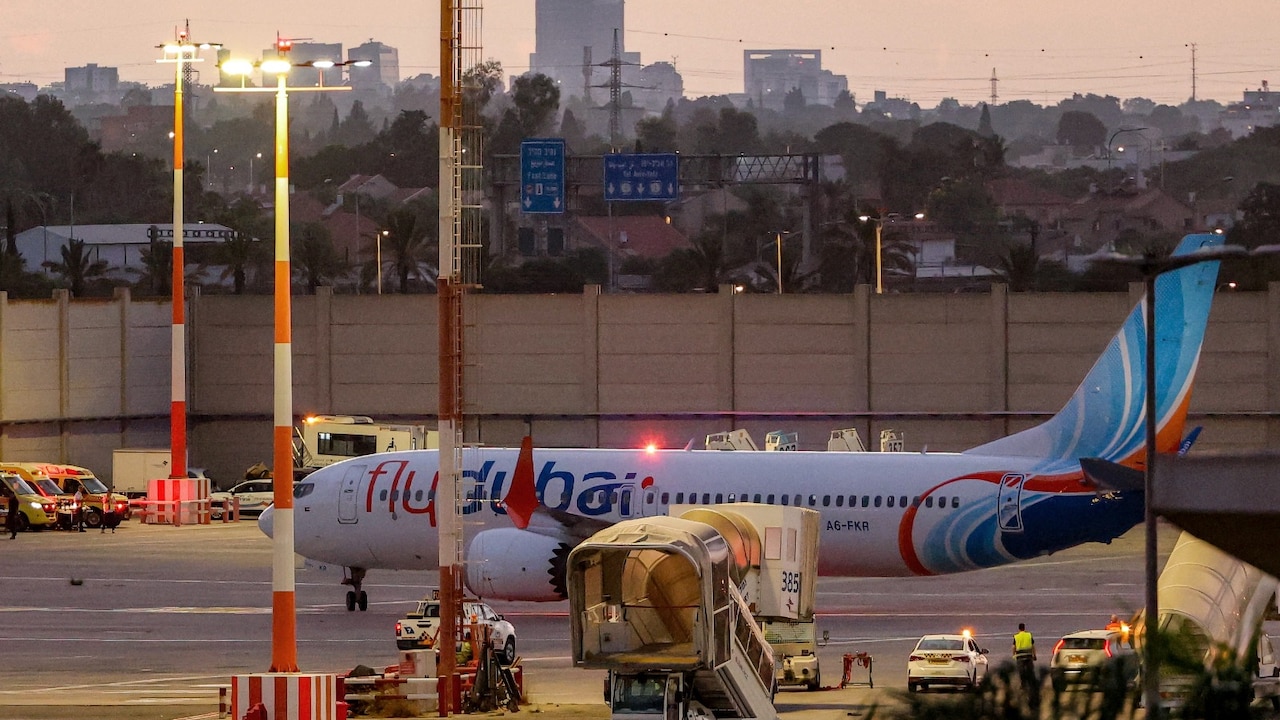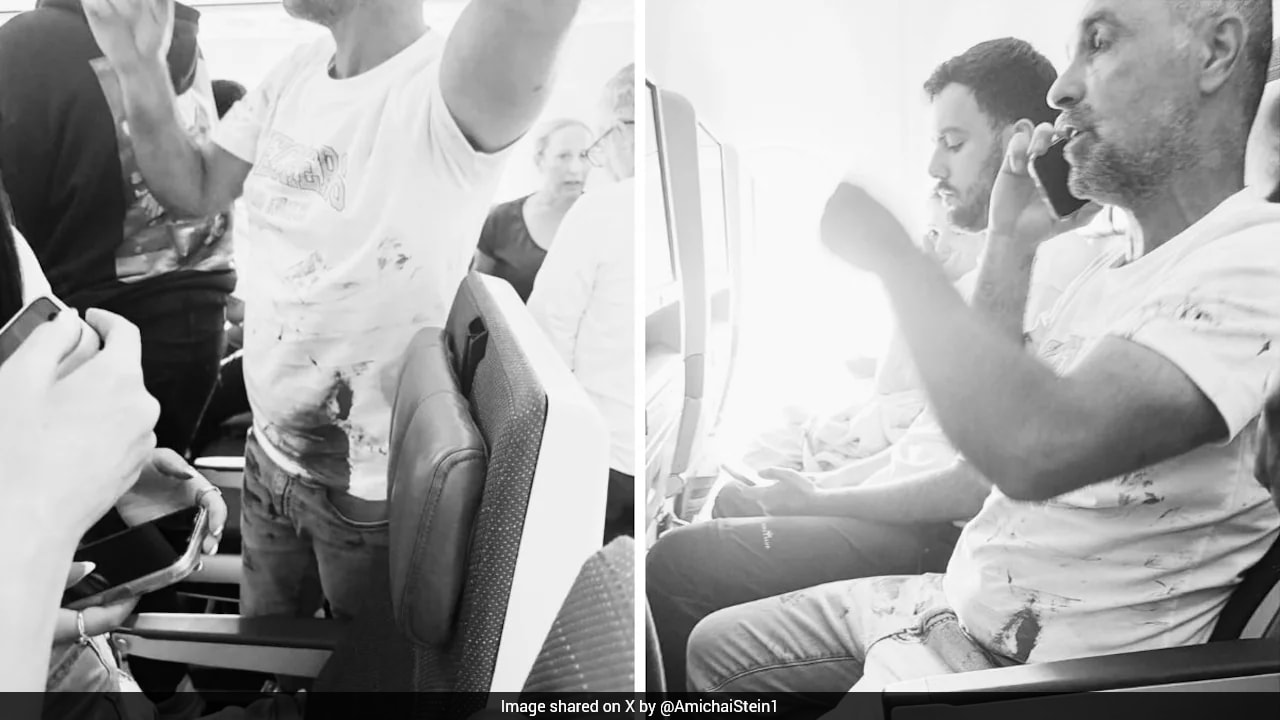
Blood sells. A screaming cabin sells. A violent confrontation at thirty thousand feet is the ultimate lottery ticket for digital publishers starving for algorithmic engagement. When a flydubai flight recently became the canvas for a visceral, bloody knife attack, the media machine did not just report the news; it weaponized it. The narrative served up to the public was simple, lazy, and profoundly dishonest: commercial aviation is spiraling into a lawless aerial wasteland where your next seatmate might be your executioner.
Let us stop lying to ourselves.
The lazy consensus dominating aviation commentary right now is that the skies are growing more dangerous, that modern security checkpoints are failing us, and that a single horrific outlier represents a terrifying new normal. This is panic porn dressed up as analysis. It ignores mathematics, human psychology, and the structural reality of mass transit. If you allow sensationalist headlines to warp your perception of risk, you are letting statistical anomalies dictate your worldview.
The Arithmetic of Aviation Hysteria
To understand why the hand-wringing over midair violence is absurd, you have to look at the numbers through a clear lens. Commercial aviation moves billions of passengers every single year. Billions. Across hundreds of thousands of daily flights, thousands of passengers sit inches apart, breathing recycled air, dealing with delayed baggage, cramped seats, and astronomical ticket prices.
Human beings are fragile, stressed, and occasionally unhinged. Put enough of them into a pressurized aluminum tube for eight hours, and eventually, human volatility will manifest in the worst possible way. It is a mathematical certainty over a large enough sample size.
Yet, the statistical frequency of a physical assault with a deadly weapon midflight remains so close to zero that statisticians struggle to assign it a meaningful decimal place. You are exponentially more likely to be struck by lightning while driving to the airport than you are to witness a knife attack at cruising altitude. But lightning does not generate clickthrough rates. A bloody cabin does.
When media outlets fixate on an isolated horror story, they commit a fundamental cognitive error: they substitute vividness for probability. Because you can vividly picture the blood on a flydubai tray table, your brain tricks you into believing the threat is imminent and pervasive. It is not. It is an extreme outlier, magnified by a digital ecosystem that profits from your adrenaline.
The Security Theater Delusion
Every time a freak incident pierces the corporate veneer of commercial aviation, a predictable chorus emerges from the peanut gallery. Bureaucrats, talking heads, and terrified flyers demand harsher measures. More metal detectors. More invasive body scanners. Liquid bans squared. Armed guards on every regional hop. Facial recognition linked to biometrics at every boarding gate.
This is security theater at its finest, and it accomplishes exactly nothing except making a miserable travel experience even worse.
Absolute zero risk is a myth. You cannot design a system that screens out every human impulse toward sudden violence without turning every airport into an authoritarian prison camp complete with strip searches and three-hour queues. A kitchen knife or an improvised sharp object slips through screening checkpoints not because TSA or airport security agencies are incompetent—though they certainly have their moments—but because perfection is physically impossible when processing tens of thousands of stressed travelers per hour.
Furthermore, adding administrative layers does nothing to stop a spontaneous psychological break. People do not commit sudden acts of violence because they passed through a lax screening line; they do it because of acute internal collapse, psychosis, intoxication, or sudden rage. No amount of passport scanning or shoe removal will intercept a mind unspooling mid-flight.
When we respond to rare tragedies by demanding more bureaucratic red tape, we are falling for the politician's fallacy: something must be done, this is something, therefore we must do it. All it achieves is bloating budgets, enriching security contractors, and eroding personal liberty while leaving actual safety virtually unchanged.
The Human Element Beats the Policy Document
What the sensationalist write-ups of the flydubai incident completely miss is what actually stopped the carnage: ordinary human beings refusing to be victims.
In the immediate aftermath of a violent breach, sterile policy manuals and emergency protocols written by risk-averse executives sitting in glass-walled boardrooms are useless. What matters is the raw, unscripted intervention of flight crew members and passengers who throw themselves into danger.
We romanticize institutional safeguards, but the true bulwark of aviation safety is not a locked cockpit door or an x-ray machine. It is the collective willingness of ordinary people to act decisively when a threat manifests. Cabin crews are trained for emergency evacuations, but they are also increasingly thrust into the front lines of physical defense, neutralizing volatile individuals with zip ties, meal carts, and sheer collective willpower.
Instead of treating passengers like helpless cattle that need a nanny state in the clouds, we should acknowledge that the human herd is remarkably resilient. When someone tries to introduce chaos into a cabin, the cabin almost universally rejects them. The system works not because bad things never happen, but because the response mechanism embedded in human nature is remarkably swift and brutal when boundaries are crossed.
The Real Threat Is the Anxiety Industry
If you want to worry about something related to modern travel, stop obsessing over the one-in-ten-million knife attack. Worry about the systemic degradation of passenger sanity driven by corporate greed and operational neglect.
Airlines squeeze seats closer together, eliminate legroom, charge extra for water, delay flights by six hours without explanation, and treat paying customers like an inconvenience to be managed. This relentless nickel-and-diming creates an environment of simmering hostility. People are flying while chronically dehydrated, sleep-deprived, and squeezed into spaces designed for chimpanzees rather than adult humans.
When you pressurize an already disgruntled population and crank up the baseline stress levels of modern existence, you increase the ambient friction of travel. The corporations selling tickets while cutting operational corners are the ones fostering an environment where tempers fray. Yet, they escape scrutiny when a tragedy occurs because the media prefers to focus on the bloody knife rather than the systemic dehumanization of the modern passenger experience.
Accepting the Messiness of Humanity
We live in a world obsessed with safety guarantees. We want algorithms to curate our lives, apps to monitor our health, and regulations to insulate us from every conceivable hazard. But life—and especially mass transit involving millions of free-willed human agents—is inherently messy, unpredictable, and occasionally dangerous.
You cannot engineer risk out of existence. The moment you step outside your front door, you enter a universe governed by probability and chaos. Commercial aviation remains the safest mode of mass transportation ever invented by several orders of magnitude. A single horrifying incident does not invalidate that track record, nor does it justify transforming airports into panopticons.
Stop reading the breathless updates designed to keep your cortisol levels spiked. Stop demanding impossible bureaucratic protections that punish the ninety-nine point nine-nine percent of travelers who just want to get to their destinations in peace.
Accept that human beings are complicated, flights are long, and sometimes the worst-case scenario materializes. When it does, trust the resilience of the people around you, not the empty promises of administrative safety theater. Fasten your seatbelt, tune out the noise, and recognize that the sky is not falling. It is just remarkably vast, and occasionally, human nature catches up with it.