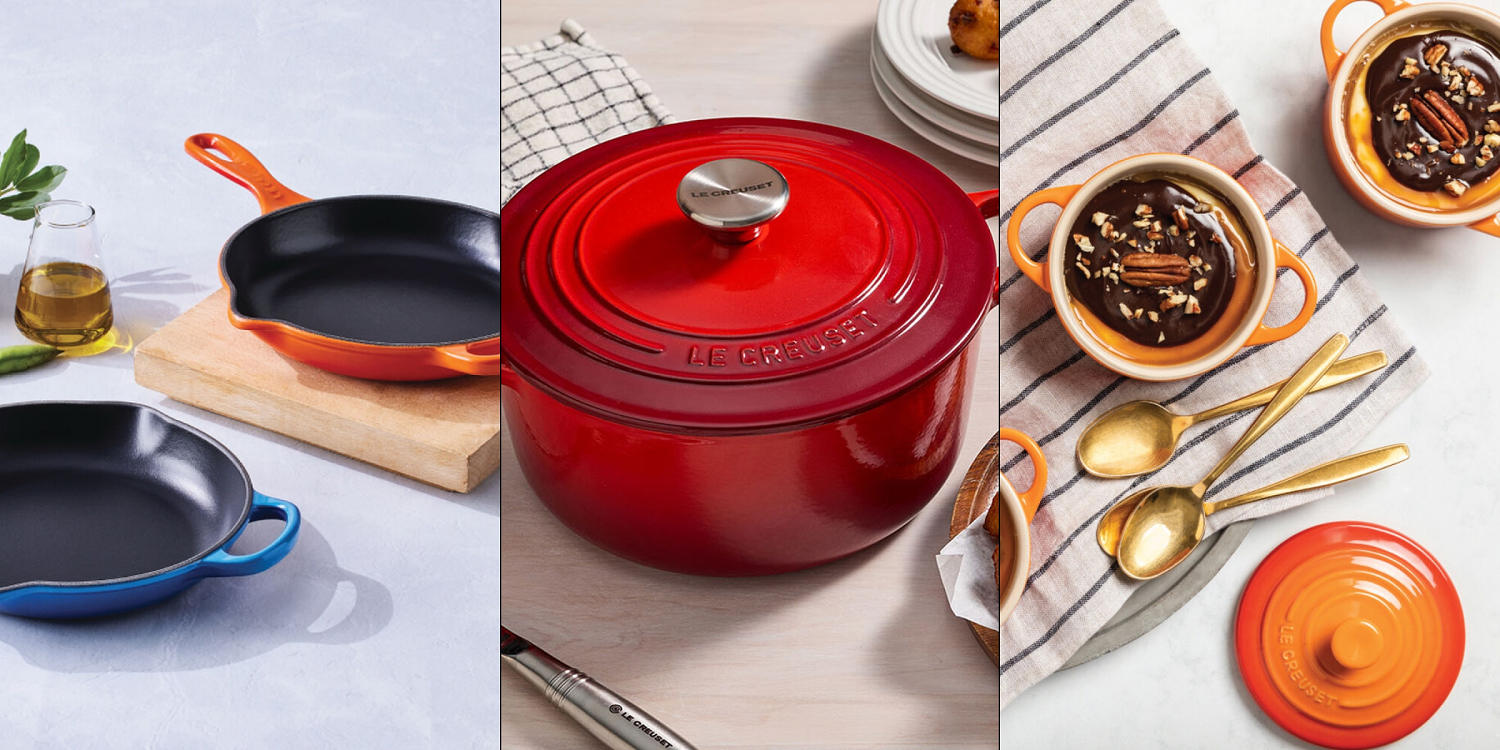
The line wraps around the convention center three hours before the doors open. People hold laminated shopping lists, wear comfortable sneakers, and clutch oversized tote bags like veterans heading into a deployment. They are waiting for the Le Creuset Factory to Table Sale. Advertised discounts of up to forty percent draw crowds by the thousands. To the casual observer, it looks like a standard retail clearance event.
It is something entirely different.
Behind the organized chaos of folding tables and cardboard boxes lies a sophisticated inventory management strategy. Premium brands do not simply slash prices because they have too much merchandise. They protect their margins, manage brand equity, and control secondary markets with surgical precision. Understanding how these massive warehouse events operate reveals the hidden machinery of luxury kitchenware.
The Anatomy of the Discount
Luxury kitchenware brands occupy a precarious psychological space. They must charge astronomical prices to maintain an aura of exclusivity. A five-quart French oven costing over four hundred dollars is not priced solely for its iron and glass-enclosed enamel. It is priced for its status.
When a company like Le Creuset discounts its flagship products by forty percent, alarms might sound in a traditional corporate boardroom. How do they protect the brand value?
The answer rests in product tiering and inventory classification. The items sitting on pallets at a Factory to Table event rarely mirror the pristine stock found in flagship retail boutiques or high-end department stores. These events serve three distinct corporate functions.
First, they clear second-tier inventory. In any manufacturing run of enameled cast iron, aesthetic imperfections occur. A microscopic pinhole in the enamel coating, a slight asymmetry in the lid seating, or uneven color saturation on the gradient exterior renders a piece unsellable at full retail price. In decades past, much of this stock was destroyed to protect the brand. Today, corporate sustainability goals and financial efficiency dictate a smarter approach. These minor cosmetic seconds find their way to convention center floors.
Second, these sales liquidate discontinued colors. Le Creuset operates on a cyclical color strategy. Limited-edition shades rotate in and out of production to manufacture artificial urgency among collectors. When a seasonal hue cycle ends, the remaining stock must leave the warehouse to make room for the next marketing push.
Third, and perhaps most importantly, these events capture lower-tier consumer surplus. The person who will never spend four hundred dollars on a Dutch oven might spend two hundred and fifty dollars in a frenzied, high-energy warehouse environment.
The Manufacturing Reality of Enameled Cast Iron
To understand why these pieces cost what they do, you have to look inside the foundry. Enameled cast iron is an anachronistic product in modern manufacturing. It is labor-intensive, energy-heavy, and stubbornly resistant to pure automation.
Every piece begins as raw scrap iron and pig iron melted down in a cupola furnace. This molten metal is poured into a single-use sand mold. Once the iron cools, the sand mold is broken apart and discarded. That means every single sand cast is an original creation requiring manual cleanup, grinding, and smoothing.
Then comes the enamel. Liquid glass frit is sprayed or dipped onto the raw iron base. The vessel goes through multiple firings at extreme temperatures, fusing the glass to the metal. Each layer of enamel requires its own baking cycle. If the temperature fluctuates by even a few degrees, the glass cracks, the iron warps, and the entire piece goes straight to the recycling bin or, historically, the scrap heap.
This production reality explains the razor-thin margins on first-quality goods and the staggering cost of failure. When a factory achieves a high yield of flawless pieces, the profit is substantial. When batches suffer from bubbling, chipping, or discoloration, the financial loss is heavy.
Factory to Table sales act as a shock absorber for these manufacturing anomalies. Instead of absorbing a total loss on a flawed production run, the company recovers raw material costs, covers logistics, and ekes out a modest margin while feeding the collector economy.
The Collector Psychology
You cannot analyze a Le Creuset sale without examining the buyer. Kitchenware enthusiasts do not view these items as utilitarian tools. They view them as portfolio assets or culinary heirlooms.
Online communities track color releases with the intensity of stock brokers monitoring Federal Reserve announcements. Collectors hoard specific shades like vintage wine. The secondary market on platforms like eBay and specialized Facebook groups thrives on the scarcity mindset cultivated by the brand.
When a consumer attends a live sale, the psychological triggers are carefully orchestrated. The sheer volume of boxes creates a sense of scarcity. If you do not put that Marseille blue braiser in your cart right now, someone else will. The physical exertion of hunting through boxes mimics a treasure hunt.
This is deliberate. Retail psychologists have known for decades that friction and effort increase perceived value. If you had to fight through a crowd and dig through a bin to find a discounted skillet, your brain convinces you that the item is a rare victory. You value it more than if you had simply clicked "Add to Cart" on an e-commerce website.
The Logistics of Temporary Retail
Executing a multi-day, high-volume physical sale in a rotating roster of convention centers requires military-grade logistics. The financial investment is immense. Renting thousands of square feet of convention space, hiring local labor, managing security, and coordinating cross-country freight fleets cost hundreds of thousands of dollars per weekend.
Why not sell these items online through a private clearance portal?
Shipping heavy cast iron is an economic nightmare. Cast iron is dense, heavy, and notoriously fragile. Enameled surfaces scratch easily and chip under blunt force trauma. Shipping a single Dutch oven through a parcel carrier like UPS or FedEx incurs high dimensional weight fees and carries a substantial risk of transit damage. Customer returns on shattered enamel are costly to process and impossible to resell.
By shifting the point of sale to a physical warehouse model, the company offloads the final mile logistics to the consumer. You lift the heavy box into your own trunk. You assume the risk of transport. The company clears massive tonnage of inventory in a single weekend without touching a parcel shipping label.
The Counter-Argument of Brand Dilution
For years, traditional luxury houses avoided outlet malls and deep-discount warehouse events out of fear. The conventional wisdom stated that if you cheapen your product, you cheapen your name. If a consumer sees your signature product piled high on a folding table at forty percent off, they will never pay full price again.
Le Creuset navigated this paradox by separating the experience.
The Factory to Table events are ticketed, highly publicized, and episodic. They do not happen every day, and they do not happen everywhere. They are treated as exclusive events, complete with VIP preview hours that cost extra money to attend. By charging admission for the first entry slots, the company monetizes the anticipation itself.
Furthermore, the inventory differentiation protects the core retail line. The everyday customer walking into a boutique in downtown Chicago or a high-end department store is buying pristine, first-quality current-season stock. The bargain hunter at the convention center is buying discontinued colors and cosmetic seconds. In the consumer mind, these two universes rarely collide.
The Broader Shift in Housewares
The success of these physical clearance spectacles signals a broader shift in how legacy hardware brands survive. In an era dominated by dropshipped stainless steel and cheap aluminum imports from overseas, legacy brands must double down on their physical footprint.
Digital fatigue is real. Consumers are tired of scrolling through endless variations of identical products on online marketplaces plagued by counterfeit goods and paid reviews. Touching the heavy weight of real cast iron, feeling the smooth gradient of the enamel finish, and experiencing the communal energy of thousands of fellow cooking enthusiasts creates a tangible connection that pixels cannot replicate.
The numbers work because the demand for domestic permanence remains high. In an uncertain economy, people invest in things that last. A cast-iron pot comes with a lifetime warranty. It outlives its owner. Buying one at a discount feels like a practical hedge against inflation.
When the doors close on Sunday evening, the convention center floor is left covered in discarded cardboard, stray bubble wrap, and exhausted staff. The trucks roll out, packed empty, headed back to the distribution centers. The inventory is gone, the balance sheets are cleared for the next manufacturing cycle, and thousands of heavy boxes are now sitting on kitchen stoves across the country, ready to cook dinners for the next half-century.