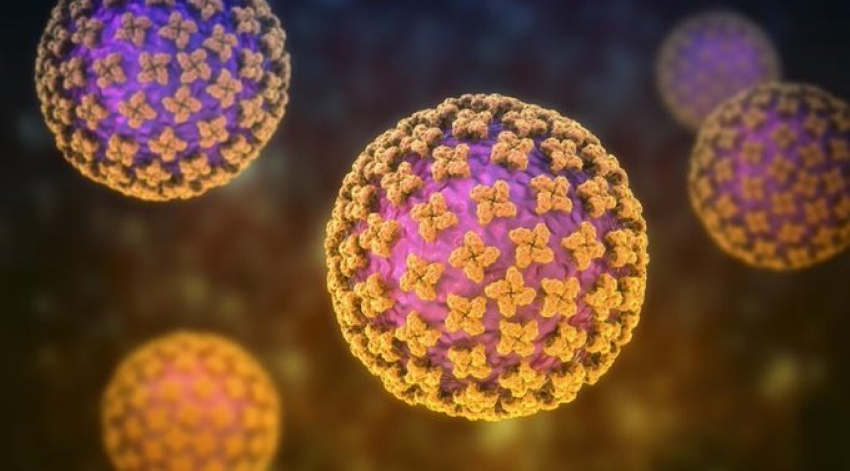
Panic hit the high seas this week. You don't expect a luxury vacation in the middle of the Atlantic to turn into a medical evacuation scenario involving rare respiratory pathogens, but that’s exactly what happened. Three people were airlifted from a cruise ship after showing symptoms consistent with hantavirus. It sounds like a movie plot. It isn't.
Most people think of hantavirus as something hikers get in dusty cabins in the American Southwest. Seeing it pop up on a vessel in the Atlantic changes the conversation about cruise ship hygiene and how we track diseases across borders. It’s a messy, complicated situation that highlights why you can't just ignore health advisories when you step onto a gangway.
The evacuation wasn't just a precaution. It was a logistical nightmare involving coast guard coordination and high-stakes isolation protocols. If you’re planning a trip, you need to know what actually happened and why this matters for your next booking.
What happened on the hantavirus hit cruise ship
The ship was positioned deep in the Atlantic when the distress calls went out. Three individuals—two passengers and one crew member—began showing severe respiratory distress and high fevers. On a ship, these symptoms usually point to the flu or maybe a late-wave COVID-19 variant. This time, the onboard medical team flagged something more aggressive.
Hantavirus isn't your typical sea-faring bug. It’s a zoonotic disease. That means it jumps from animals to humans. Specifically, it comes from rodents. Finding it on a ship suggests a bridge between land-based storage or port-side infestations and the ship's internal environment. The three patients were stabilized as much as possible before the decision was made to airlift them to a specialized facility on the mainland.
The ship didn't just turn around. It kept going, but under a cloud of intense scrutiny from health authorities. Imagine being one of the thousands of other people on that boat. You're trying to enjoy a buffet while knowing three people just got winched into a helicopter because of a virus that carries a high mortality rate.
Why hantavirus is a different kind of threat
We’re used to Norovirus. That’s the classic cruise ship villain. You get sick, you stay in your cabin for 48 hours, and you move on. Hantavirus is a whole different beast. It’s rare, but when it hits, it hits hard.
According to the Centers for Disease Control and Prevention (CDC), Hantavirus Pulmonary Syndrome (HPS) can have a fatality rate of around 38%. That’s a terrifying number. You get it by breathing in "misted" virus from rodent droppings or urine. On a ship, this could happen in cargo areas, kitchens, or even through ventilation if an infestation goes unchecked.
The symptoms people often miss
It starts like the flu. You’ll feel fatigued. Your muscles will ache, especially in your thighs and back. You’ll have a fever.
- Chills and headaches.
- Dizziness and abdominal pain.
- Sudden shortness of breath.
That last one is the clincher. About four to ten days after the initial symptoms, the lungs fill with fluid. It’s fast. It’s brutal. The fact that three people showed these signs simultaneously suggests a common exposure point on the vessel.
The logistics of a mid-Atlantic evacuation
You can't just pull over in the Atlantic. An evacuation involves a coordinated dance between the ship’s captain, the cruise line’s corporate office, and the nearest national coast guard or military.
Helicopters have limited range. They often have to meet the ship at a specific intercept point. In this case, the ship had to divert its course to get closer to the coast to allow the rescue birds to reach them. The patients were placed in negative-pressure "pods" to ensure the air inside the helicopter stayed clean. This isn't just about saving three lives. It’s about preventing a larger outbreak if the virus were more easily transmissible between humans—though, luckily, hantavirus usually isn't.
How rodents get on a multi-million dollar ship
I’ve heard people say, "How can a luxury ship have rats?" It’s easy.
Ships spend time at ports. They take on massive amounts of food and supplies every few days. Pallets of produce, crates of dry goods, and luggage all provide hiding spots. All it takes is one pregnant rodent or a small family of mice to hitch a ride in a grain shipment.
Cruise lines have strict pest control mandates. They use traps, bait stations, and regular inspections. But no system is perfect. When a ship is at sea for weeks, a small problem can grow. If those rodents get into the HVAC system or near the food prep areas, you have a recipe for a health crisis.
What this means for the cruise industry in 2026
The industry is still recovering from the PR hits of the last few years. This incident won't help. We're seeing a push for even more transparent health reporting.
The Vessel Sanitation Program (VSP) run by the CDC tracks these things, but they mostly focus on gastrointestinal issues. We might start seeing a shift toward broader biological monitoring. Some tech-forward lines are already testing air filtration systems that can catch smaller particles, but those upgrades cost millions.
If you think this is a one-off, think again. As global trade increases and climate patterns shift rodent populations, these "rare" encounters will probably become more frequent. We’re moving into an era where "clean enough" isn't going to cut it for travelers anymore.
Protecting yourself on your next trip
You don't have to cancel your vacation plans. You just have to be smarter than the average tourist.
First, check the ship's recent health scores. You can find these on the CDC’s website. If a ship has a history of failed inspections or repeated pest sightings, don't book it. It’s that simple.
Second, pay attention to where you spend your time. If you see signs of rodents—droppings, chewed wires, or a weird musky smell—in your cabin or a public area, report it immediately. Don't be "polite" about it. Your health is on the line.
Practical steps for travelers
- Wash your hands. It sounds basic because it is. Do it anyway.
- Use the sanitizing stations. They’re there for a reason.
- Avoid dusty, unventilated areas. If you’re exploring the lower decks or storage areas (which you shouldn't be anyway), be careful.
- Report symptoms early. Don't wait until you can't breathe to go to the infirmary.
The cruise line involved in this Atlantic incident is currently under investigation. They’ll likely face heavy fines and a mandatory deep-clean period. For the rest of us, it’s a reminder that the ocean is a wild place, and even the biggest ships are vulnerable to the smallest threats.
Check your cruise line’s health policy before you pay the deposit. Look for ships with HEPA filtration and updated sanitation protocols. If the company isn't transparent about their pest control measures, take your money elsewhere. You’re paying for a vacation, not a medical evacuation.