Airlines are lying to you about the price of a ticket.
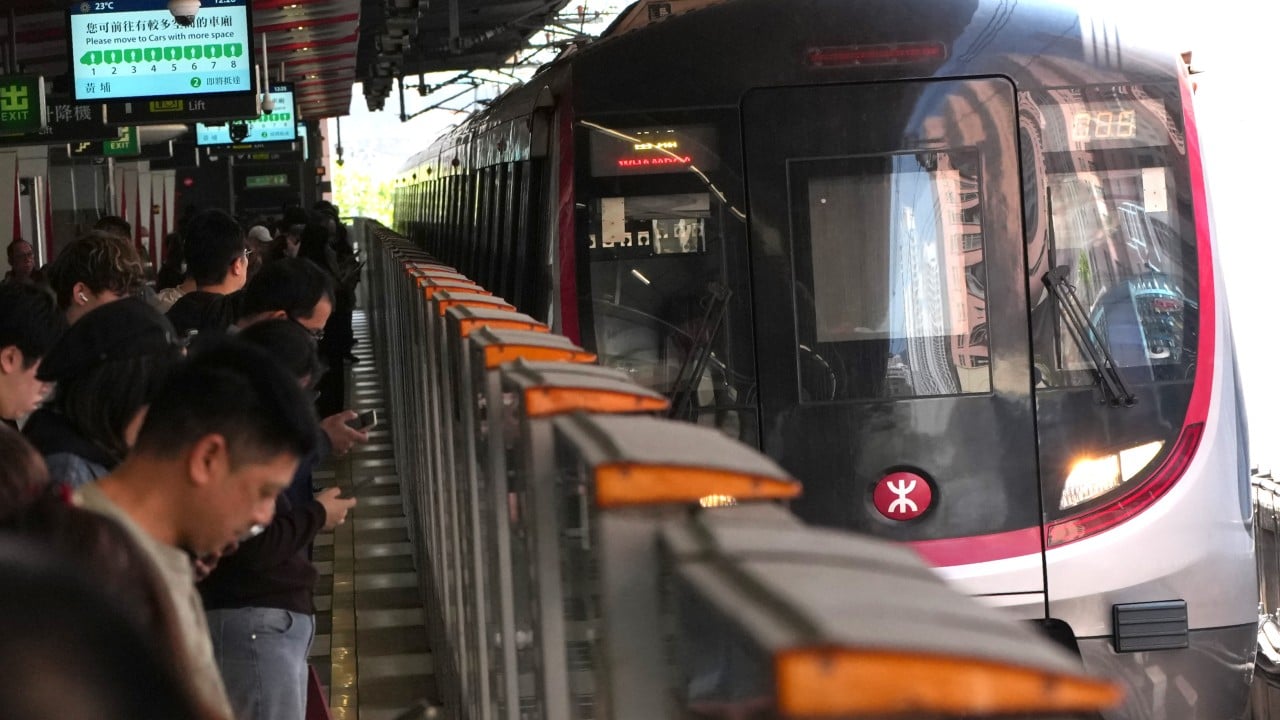
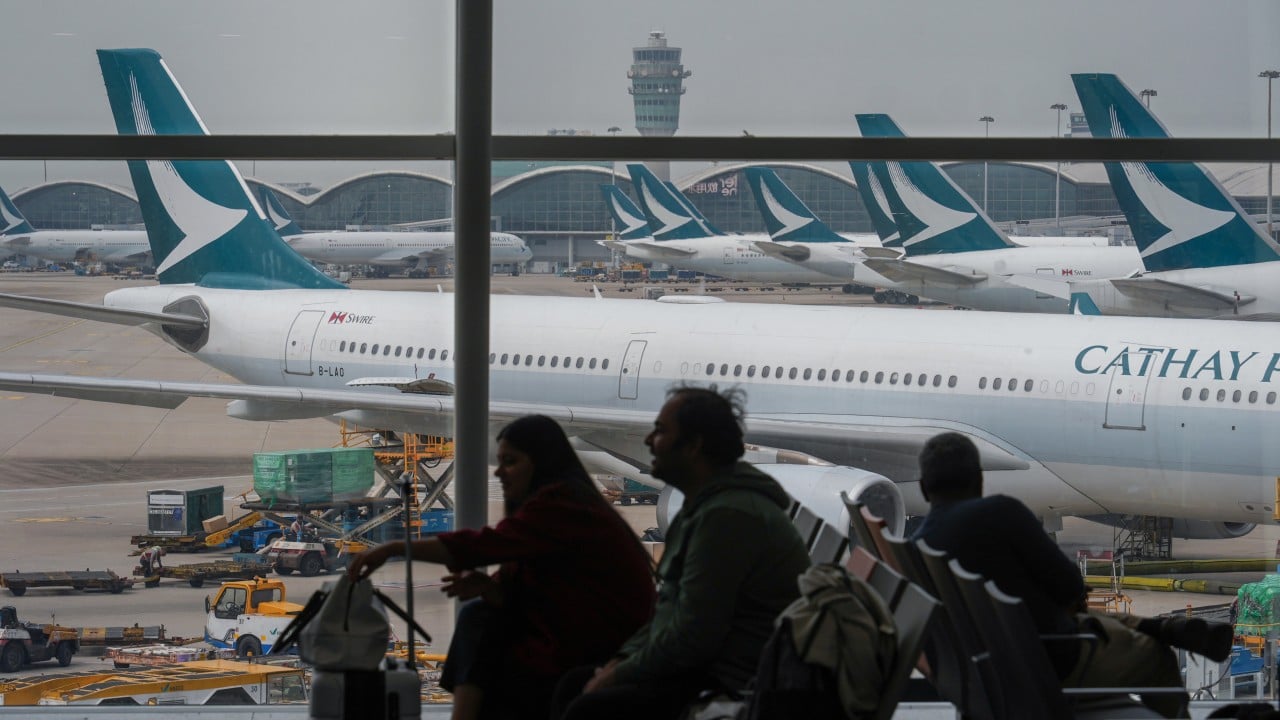
When Cathay Pacific and HK Express announced they were doubling their fuel surcharges, the media reacted with the usual script: "costs are surging," "oil is volatile," and "passengers will feel the pinch." This narrative is a comfortable blanket for lazy analysts. It accepts the premise that a fuel surcharge is a legitimate, variable reaction to market forces. If you liked this post, you might want to read: this related article.
It isn't. It is a price-gouging mechanism disguised as an act of God.
If a restaurant raised the price of your steak because the "grill maintenance fee" went up, you would walk out. If a tailor charged you a "needle depreciation levy," you’d call it a scam. Yet, in the aviation industry, we have normalized the idea that the core input of the product—the fuel required to move the metal—is somehow an optional extra, decoupled from the base fare. For another angle on this story, refer to the recent update from Forbes.
The Myth of the Volatile Market
The "surging costs" defense is the first thing that needs to be dismantled.
Airlines don't buy fuel like you buy gas for your car. They don't pull up to a pump and check the ticker. Large carriers utilize sophisticated hedging strategies. They buy fuel months, sometimes years, in advance at locked-in prices. When an airline "doubles" a surcharge because current spot prices are high, they are often profiting on fuel they already bought at a discount.
The surcharge is not a cost-recovery tool. It is a margin-protection tool. By keeping the "base fare" artificially low and loading the "surcharge," airlines achieve two deceptive goals:
- Search Engine Optimization: They appear cheaper in flight aggregators that sort by base price.
- Corporate Contract Loopholes: Many corporate travel deals offer discounts on the "fare" but not on "taxes and surcharges."
By shifting the price increase into the surcharge bucket, Cathay Pacific effectively bypasses the discounts they promised their biggest clients. It is a back-door price hike that lacks the integrity of a transparent fare increase.
Why the "Carbon Neutral" Narrative is Failing
We are told these surcharges are necessary to keep the industry afloat while it transitions to Sustainable Aviation Fuel (SAF). This is a convenient shield. While the industry pays lip service to green initiatives, the actual percentage of SAF used in commercial flights remains statistically insignificant—often less than 1%.
The surcharge isn't funding the future; it's subsidizing the inefficiency of the present.
The real problem isn't the price of Brent Crude. The problem is the bloated operational structure of legacy carriers. I have watched airlines burn millions on "brand refreshes" and mid-tier loyalty perks while crying poverty the moment the energy market fluctuates by $5. If your business model cannot survive a 10% swing in your primary input cost without taxing the customer at the gate, you don't have a business—you have a subsidy scheme.
The False Premise of HK Express
The inclusion of HK Express in this surcharge hike is particularly egregious. Low-Cost Carriers (LCCs) are marketed on the promise of "unbundled" pricing. You pay for the seat, then you pay for the bag, the water, and the legroom.
But fuel is not a "choice." You cannot opt-out of the fuel. By adding a mandatory surcharge to an LCC ticket, the airline is effectively re-bundling the price but refusing to call it a fare. It destroys the entire logic of the LCC model. If the fuel cost is mandatory, it is the price. Period.
The Math of Deception
Let’s look at the actual mechanics. Most passengers assume that if a surcharge doubles, it’s because the airline’s fuel bill doubled.
$FuelCost \neq Surcharge$
The surcharge is a fixed fee per segment. It does not account for the weight of the aircraft, the efficiency of the specific engine, or the actual burn rate of that day's flight. It is a flat tax on existence.
Imagine a scenario where an airline operates a fleet of aging, thirsty Boeing 777s alongside brand-new, fuel-efficient Airbus A350s. The A350 uses significantly less fuel per passenger-kilometer. Yet, the passenger on the A350 pays the exact same "fuel surcharge" as the passenger on the gas-guzzler.
Where is that "extra" money going? It’s not going into the fuel tank. It’s going into the bottom line. The surcharge acts as a hidden profit center that rewards the airline for using more efficient planes while still charging customers for the inefficiency of the old ones.
The Cowardice of the "Dynamic" Pricing
Airlines claim they need surcharges because fares are "dynamic" and move with demand. This is a half-truth. Fares are managed by AI-driven revenue management systems that adjust prices thousands of times a second based on "willingness to pay."
If the system determines that a seat to London is worth $1,200, it will charge $1,200. If the fuel cost goes up, the system should simply raise the price to $1,250.
But airlines are terrified of the "sticker price" shock. They want to show you a $900 fare and then hit you with $300 in surcharges at the final checkout screen. It is a psychological play designed to exploit the "sunk cost" fallacy—by the time you see the real price, you’ve already invested twenty minutes in the booking process.
Stop Asking if Fares Will Go Down
The "People Also Ask" section of every travel forum is filled with the same desperate question: "When will fuel surcharges be removed?"
The answer is: Never.
Once a consumer becomes accustomed to a specific fee, the incentive for a corporation to remove it vanishes. Even if oil prices dropped to $20 a barrel tomorrow, airlines would find a way to "rebrand" the surcharge. They might call it an "Environmental Transition Levy" or a "Network Stability Fee."
I’ve seen this play out in the shipping industry and the trucking industry. Fees that start as "temporary emergency measures" quickly become permanent fixtures of the P&L.
How to Actually Fight Back
The only way to force transparency is to stop comparing base fares.
When you see "Cathay Pacific doubles surcharges," ignore the percentage. Look at the All-In Price. The industry wants you distracted by the components because it prevents you from seeing the total. They want you debating the "fairness" of a fuel fee so you don't notice that the total cost of travel has outpaced inflation by a factor of three.
If you want to disrupt this, you have to stop playing their game.
- Audit your corporate travel policy: Demand that your agency reports on "All-In" costs and ignore the "Fare" column.
- Challenge the "Fuel" line item: If you are a high-volume cargo shipper or a corporate partner, demand to see the hedging data that justifies the surcharge.
- Vote with the itinerary: Carriers like Southwest in the US have historically avoided these "junk fees." In Asia, the transparency is dying, but it only revives when the load factors drop.
The Brutal Reality
The aviation industry is addicted to the surcharge. It is a drug that allows them to hide their inefficiency, mislead their customers, and protect their margins without having to actually innovate.
Doubling the surcharge isn't a response to a crisis. It is a test of your gullibility.
As long as we keep calling it a "fuel" cost, they will keep raising it. Call it what it actually is: a surcharge on your inability to demand a transparent price.
Stop looking at the oil charts. Start looking at the lack of competition in the hub. That’s where the real cost is hidden.