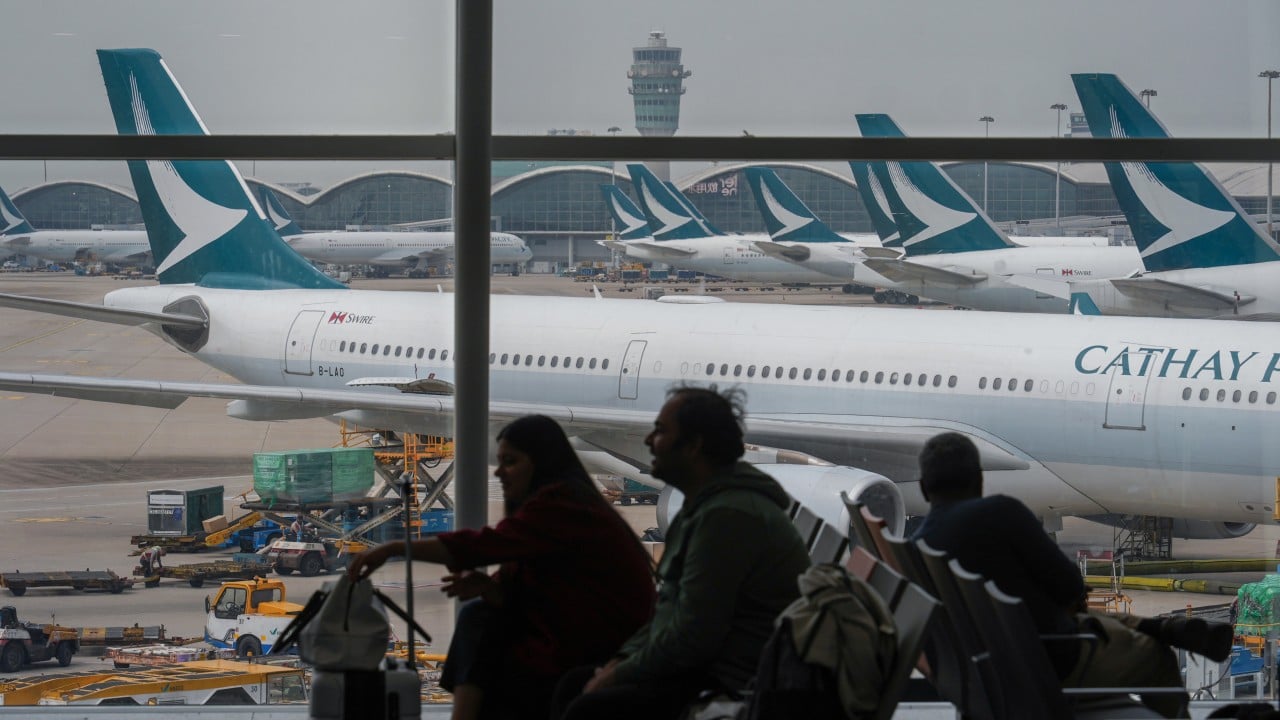
Geopolitical instability in the Middle East functions as a direct tax on global aviation, manifesting not merely as a localized disruption but as a systemic shock to the industry’s most volatile cost center: Jet A-1 fuel. When regional conflict escalates, specifically involving major energy transit points or producers like Iran, the aviation sector undergoes a forced restructuring of its pricing models. This is not a choice made by carriers like AirAsia or Qantas; it is a mathematical inevitability dictated by the crack spread—the price difference between crude oil and refined petroleum products. To understand why fares are climbing, one must analyze the intersection of fuel-burn variables, hedging maturity, and the psychological floor of consumer demand.
The Aviation Cost Function and the Fuel Variable
The operational viability of a commercial airline rests on a delicate cost function where fuel typically accounts for 25% to 35% of total operating expenses. Unlike labor or aircraft leasing—which are relatively fixed in the short term—fuel is a high-beta variable. When conflict in the Middle East triggers a $10-per-barrel "war premium" on Brent Crude, the immediate impact on unhedged carriers is a proportional erosion of the operating margin.
The price of jet fuel does not track crude oil in a 1:1 ratio. It is influenced by refining capacity and global inventory levels. In times of kinetic conflict, the risk premium on logistics and shipping increases, which causes the crack spread to widen. A $90-per-barrel oil price today carries a higher operational cost for an airline than $90-per-barrel did in 2019 because of reduced global refining elasticity. This creates a supply-side bottleneck that forces immediate fare adjustments.
Strategic Divergence in Fuel Hedging
The disparity in how different airlines respond to rising oil prices is largely a function of their hedging portfolios. Hedging is a financial risk management strategy where airlines lock in future fuel prices through derivatives—options, swaps, or collars.
- Fixed-Rate Hedges: Carriers like Qantas often utilize sophisticated hedging strategies that lock in up to 70% or 80% of their fuel needs for the next six to twelve months. This creates a buffer, allowing them to delay fare increases while competitors scramble.
- Spot-Price Exposure: Low-cost carriers (LCCs) like AirAsia often operate with lower hedging ratios to maintain capital liquidity. While this is advantageous when prices are falling, it leaves them vulnerable to sudden geopolitical spikes. When the spot price of oil surges due to an Iranian conflict, LCCs are the first to pass these costs to the consumer via fuel surcharges.
The current rise in fares represents the exhaustion of these hedges. As older, cheaper contracts expire, airlines are forced to buy fuel at the new, inflated market rate. This is the primary driver of the synchronized price hikes across the industry.
The Psychology of Fare Elasticity and Revenue Management
Airlines do not raise fares blindly. They use sophisticated Revenue Management Systems (RMS) that calculate price elasticity—the measure of how much passenger demand drops for every dollar the ticket price increases.
In a post-pandemic economy, the industry is witnessing a phenomenon called "revenge travel," where consumer demand remains inelastic despite rising costs. People are willing to pay more for travel because of a prioritized valuation of experiences over goods. However, there is a saturation point. Once fares exceed a specific threshold, discretionary travel for leisure passengers—the primary demographic for LCCs—will plummet.
Corporate travel behaves differently. It is less price-sensitive but more sensitive to route reliability and schedule density. As fares rise, we see a divergence in the market: premium carriers increase fares while maintaining service levels, whereas LCCs may cut marginal routes to preserve their fleet's fuel-burn efficiency.
Geopolitical Risk and Route Optimization
The conflict involving Iran introduces an additional layer of complexity beyond fuel prices: airspace closure and rerouting. When the Strait of Hormuz or Iranian airspace becomes high-risk, airlines are forced to fly longer, more circuitous routes to ensure safety.
A flight path that adds 45 minutes of duration increases the fuel-burn rate by a compounding factor. More fuel is needed to carry the weight of the additional fuel required for the detour. This "weight-for-distance" penalty is a hidden cost that is rarely discussed in mainstream news reports but is a critical variable in an airline's decision to raise fares.
- Direct Fuel Burn: Extra time in the air translates directly to thousands of gallons of Jet A-1 consumed.
- Crew Hours: Pilots and cabin crew reach their duty limits faster, potentially requiring additional staffing or causing scheduling bottlenecks.
- Maintenance Cycles: Increased flight hours accelerate the interval between heavy maintenance checks, raising the long-term cost per seat-mile.
The Three Pillars of Fare Inflation
To categorize the current trend, we must look at the three pillars driving the $50 to $100 increases seen on major routes.
I. The Geopolitical Premium
This is the speculative increase in the price of crude based on the fear of supply disruption. It is volatile and can retract as quickly as it appears, but while active, it sets the baseline for the entire industry.
II. The Infrastructure Constraint
Reduced refining capacity and higher insurance premiums for flying over or near conflict zones create a "friction tax" on every flight operation.
III. The Demand-Supply Mismatch
Despite higher fares, the supply of available seats (Available Seat Kilometers or ASK) has not returned to 2019 levels in many regions. This scarcity allows airlines to maintain high yields even as operational costs soar.
Tactical Execution for Aviation Stakeholders
For the industry to navigate a prolonged period of high oil prices fueled by Middle Eastern conflict, the focus must shift from reactive fare hikes to structural efficiency.
- Accelerated Fleet Renewal: The primary defense against oil volatility is fuel efficiency. Newer aircraft like the Airbus A321neo or the Boeing 737 MAX offer 15% to 20% better fuel efficiency than their predecessors. Airlines that have invested in modern fleets have a permanent competitive advantage in a high-oil environment.
- Dynamic Surcharging vs. Base Fare Increases: Incorporating fuel surcharges rather than raising base fares allows for greater flexibility. Surcharges can be dialed back instantly if oil prices stabilize, maintaining consumer trust more effectively than a permanent fare hike.
- Algorithmic Overhaul: RMS must be recalibrated to account for the "New Normal" of energy volatility. The historical data used to predict demand is largely irrelevant in a climate where geopolitical risk is a constant variable rather than an outlier.
The current escalation of fares is the market’s way of pricing in the risk of a regional war. Until the energy supply chain is decoupled from kinetic risk in the Middle East, the global traveler will continue to subsidize the geopolitical premium through higher ticket prices. The era of ultra-cheap long-haul travel is effectively over until fuel-burn efficiency or energy source diversification undergoes its next major technological shift.
Airlines must now prioritize the "High-Yield" segment over "High-Volume" to maintain solvency. This shift will likely result in a permanent contraction of the low-cost long-haul market, as the margin for error in fuel pricing has vanished. The strategic play for carriers is to lock in mid-term fuel contracts immediately while accelerating the decommissioning of any airframe that lacks the latest generation of fuel-efficient engine technology.