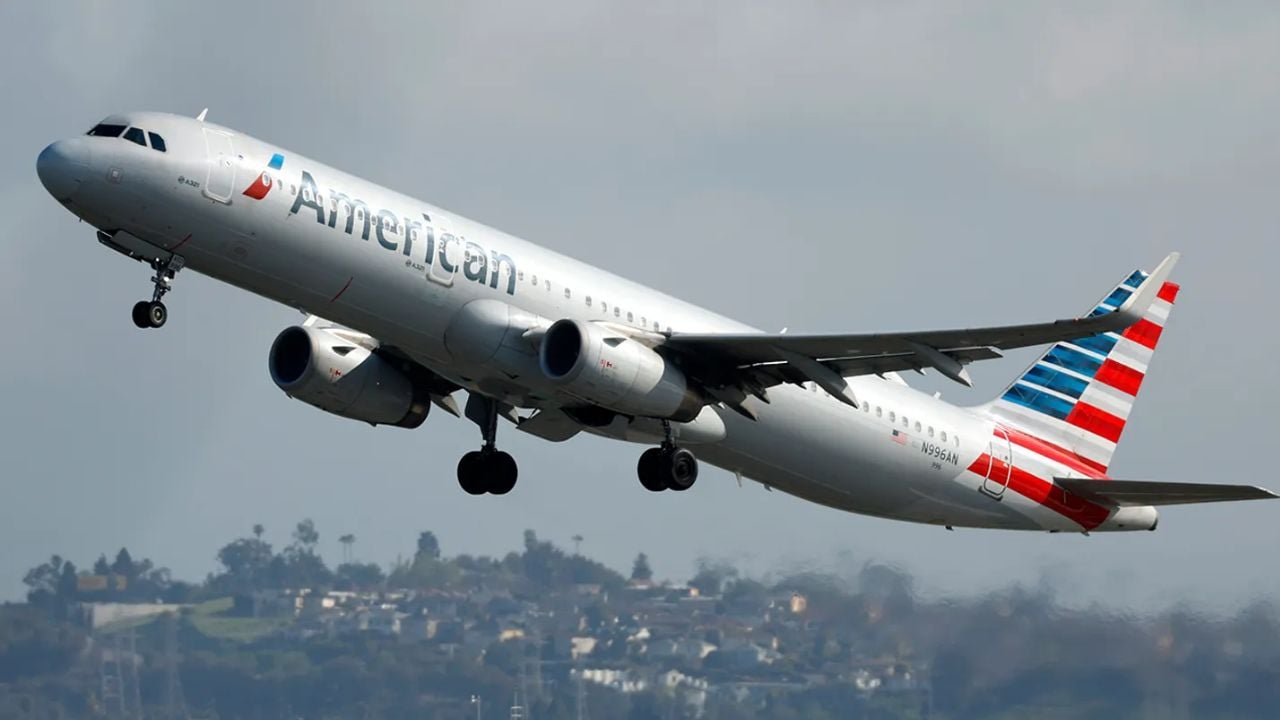
The images coming out of Sinaloa aren't just unsettling; they're a logistical nightmare for anyone with a boarding pass. When you see a fuselage riddled with bullet holes, the conversation about travel delays changes instantly. We aren't talking about a "scheduling conflict" or "operational challenges" anymore. This is a hard stop. United, Southwest, American Airlines, and Air Canada didn't just decide to skip a few routes to be cautious. They reacted to a complete breakdown of security that turned civilian runways into potential crossfires.
If you have a flight booked to or through the region, you need more than just a refund policy. You need to understand why the ground shifted so fast and what it means for the safety of North American transit. The situation escalated after the arrest of Ovidio Guzmán, a high-ranking cartel figure, which triggered a wave of violence that the Mexican government struggled to contain. For the major carriers, the risk-to-reward ratio hit zero the moment the first rounds were fired at an Aeromexico jet in Culiacán.
The Reality of Commercial Jets Under Fire
Most people think of flight cancellations in terms of snowstorms or mechanical failures. This is different. When an Aeromexico Embraer 190 was hit by gunfire while preparing for takeoff at Culiacán International Airport, it shattered the unspoken rule of modern travel: that airports are neutral zones. Passengers on that flight were filmed ducking below their seats while the sound of high-caliber rifles echoed outside. No airline executive is going to look at that footage and tell their crew to keep flying.
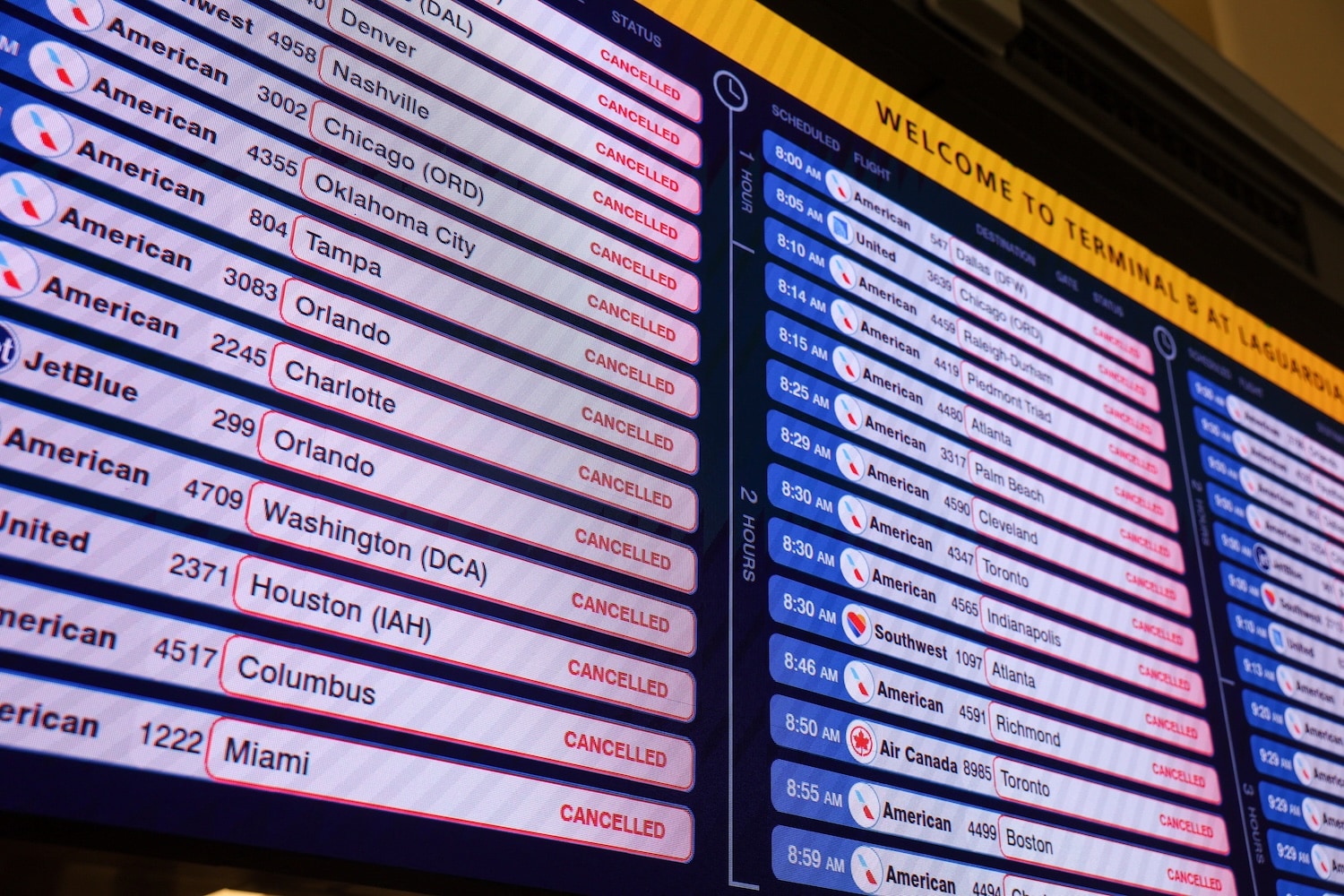
United and American Airlines immediately pulled the plug on flights to affected areas like Culiacán, Los Mochis, and Mazatlán. It's a domino effect. If one major hub in the region becomes a combat zone, the entire network felt the vibration. Southwest and Air Canada followed suit because the insurance liabilities alone for flying into a "hot" zone are astronomical. You can't just send a Boeing 737 into an area where the local military is losing control of the perimeter.
Why Culiacán and Mazatlán Became No-Go Zones
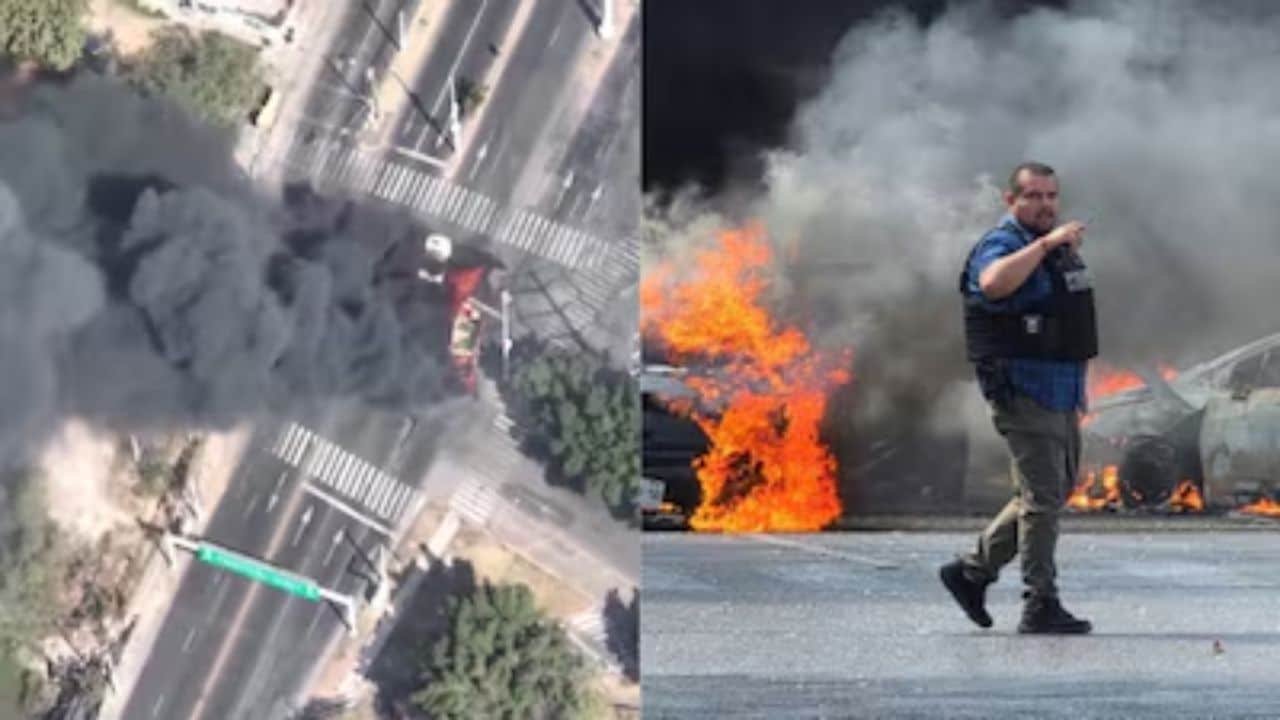
The violence wasn't random. It was a calculated, violent response to a high-profile military operation. Cartel members set up blockades using hijacked trucks, set vehicles on fire, and targeted infrastructure. Mazatlán, a popular spot for sun-seeking tourists, suddenly found its airport closed to all commercial traffic. This isn't just about Sinaloa anymore. The ripple effect reached Mexico City and even popular coastal destinations because the logistics of fuel, crew rotations, and security checks were all compromised.
I’ve seen how these situations play out before, but the scale here is jarring. The Mexican Federal Aviation Agency (AFAC) had to shut down three major airports almost simultaneously. When the government admits they can't guarantee the safety of the tarmac, the airlines have no choice. It's not just about the planes. It’s about the ground crews, the baggage handlers, and the gate agents who live in these communities and couldn't safely get to work.
What This Means for Your Travel Plans
If you're holding a ticket, don't wait for the airline to call you. Most carriers have issued travel waivers, but they aren't always proactive about pushing that info to your phone. American Airlines, for example, typically allows you to rebook without a change fee if your destination is under a security alert, but you usually have to stay within a specific "travel window" to get the fee waived.
Check the Department of State's travel advisory level immediately. Currently, several Mexican states are at a "Level 4: Do Not Travel" status. This is the same rating given to active war zones. If your destination is on that list, your travel insurance might actually be void if you choose to go anyway. Most policies have "act of war" or "civil unrest" exclusions that kick in once the situation reaches this level of intensity.
Action Steps for Stranded Travelers
First, download the app of whichever airline you're using. In these fast-moving crises, the apps update five to ten minutes faster than the monitors at the airport. Second, if you're already in Mexico and trying to get out, do not head to the airport if the roads are blocked. It sounds obvious, but people panic and end up trapped on highways between burning vehicles. Stay in a secure hotel and wait for a confirmed "all clear" from both the airline and the local authorities.
- Check for Travel Waivers: United and Southwest have specific pages for "Current Travel Advisories."
- Contact Your Insurance: Ask specifically if civil unrest in Mexico is covered under your "Cancel for Any Reason" (CFAR) policy.
- Register with STEP: If you're a U.S. citizen, use the Smart Traveler Enrollment Program so the embassy knows where you are.
The situation is fluid, but the precedent is set. Airlines will not risk a multi-million dollar airframe or the lives of their crew when the local government is in a standoff with cartels. This isn't just a temporary hiccup; it's a reminder that even the most popular vacation spots are subject to the realities of local politics and security. Keep your eyes on the news and your flight status on refresh. If your airline offers a full refund right now, take it and pick a different coast for your vacation. The risk of being stranded—or worse—is far too high until the dust settles.