The coffee in Terminal 5 always tastes like nervous anticipation. It is a thin, overpriced brew, but it serves as the ritualistic fuel for the millions of souls who drift through Heathrow’s glass veins every year. For decades, this transit was a matter of muscle memory. You packed a bag, grabbed a passport, and moved. There was a certain lightness to the act of crossing borders into the United Kingdom—a frictionless glide from the jet bridge to the underground.
That friction is returning. It is arriving not with a bang or a wall, but with a digital whisper called the Electronic Travel Authorisation (ETA).
By April 2025, the invisible architecture of the British border will have completely shifted. What was once a gesture of showing up is now a process of checking in long before the wheels leave the tarmac. Every "non-visa" visitor—including those from the United States, Canada, and the European Union—now faces a digital gatekeeper. It is a small change on paper. It is a seismic shift in the philosophy of wandering.
The Architect in the Machine
Consider Elena. She is a hypothetical freelance graphic designer from Madrid, the kind of traveler who thrives on the "why not" of a cheap Friday night flight to London. In the old world, Elena’s biggest hurdle was finding a hotel that didn't smell like damp wool. She would land, breeze through the e-gates, and be eating noodles in Soho within ninety minutes.
Now, Elena sits at her kitchen table three days before her flight. She isn't looking at menus; she is staring at a screen. She is inputting her passport details, her contact information, and paying a £10 fee. She is waiting for the algorithm to green-light her existence.
This is the UK’s new "permission to travel" scheme. It is an end to the era of the spontaneous guest. The British government isn't doing this to be difficult, though any traveler stuck in a digital queue might argue otherwise. The intent is total "border visibility." For the first time, the Home Office wants to know exactly who is coming before they even reach the boarding gate in Madrid, New York, or Tokyo.
The Mechanics of a Digital Shadow
The ETA is a digital link. It attaches itself to your passport like a shadow. It lasts for two years—or until your passport expires— and allows for multiple entries. But the simplicity of the "two-year" promise masks the complexity of the security net being woven.
When you submit that application, you aren't just filling out a form. You are feeding a database that checks for criminal records, previous immigration infractions, and security risks. It is a pre-screening process designed to catch the "no-go" individuals before they ever set foot on British soil.
The logic is simple: it’s much cheaper and safer to turn someone away digitally while they are still in their living room than it is to detain and deport them from a London arrivals hall.
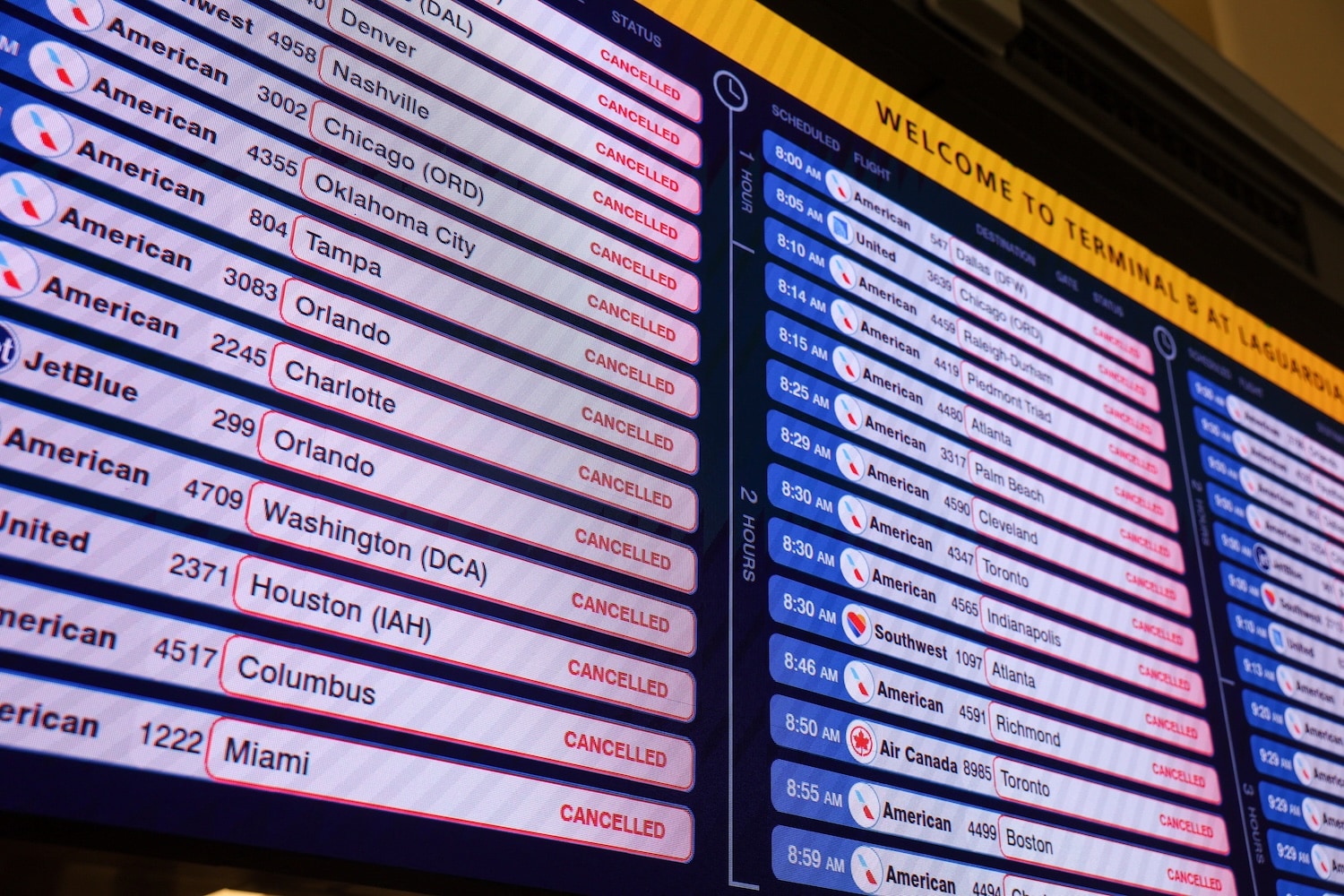
For the traveler, this means the stakes of "forgetting" have risen. In the past, forgetting a travel adapter was a nuisance. Forgetting your ETA is a terminal event for your holiday. Airlines are now the primary enforcers. If the digital link isn't there when they scan your passport at check-in, you aren't getting on the plane. The gate doesn't just close; it never opens.
The Cost of Certainty
Ten pounds. It’s the price of two pints in a London pub or a mediocre sandwich at an airport kiosk. In the grand scheme of a transatlantic flight, it is a rounding error. Yet, the emotional cost is different. There is a psychological weight to being "authorized."
We are moving into a period where the world is categorized. There are those with the "right" passports who get to pay for the privilege of a digital pass, and there are those who must still navigate the grueling, expensive, and often soul-crushing world of full visa applications. The ETA is a middle ground—a "visa-lite" for the trusted—but it signals the end of the truly open door.
The UK is not alone in this. They are following a trail blazed by the American ESTA and the Australian ETA. The European Union is spinning up its own version, ETIAS, shortly. We are witnessing the digitization of the horizon. The wild, open spaces of international travel are being fenced in by fiber-optic cables and database pings.
The Ghost in the E-Gate
Why now? Why take a system that seemed to work—the e-gate scan—and add a layer of bureaucracy?
The answer lies in the data. Modern governance is obsessed with the "known quantity." In a world of shifting geopolitical alliances and heightened security concerns, "not knowing" is seen as a vulnerability. The UK government wants a 100% digital border. They want to track the pulse of the nation’s arrivals and departures in real-time.
But data is a cold comfort when the system glitches.
Imagine a family from Chicago. They’ve saved for three years to see the Tower of London. They applied for their ETAs, received their confirmations, and flew across the Atlantic. But at the e-gate, the light turns red. A database mismatch. A middle name misspelled by one letter. A technical hiccup in the sync between the Home Office and the Border Force.
In those moments, the "seamless" nature of digital travel evaporates. You are left standing in a fluorescent-lit corridor, clutching a passport, waiting for a human being to look you in the eye and decide if you are a threat or a tourist.
The New Ritual of Departure
We must adapt. The ritual of travel is changing, and the "to-do" list is growing.
- The Three-Day Rule: Do not apply on the way to the airport. The official guidance suggests a 72-hour window, but the wise traveler will secure their ETA the moment they book their flight.
- The Passport Link: If you lose your passport or get a new one, your ETA dies with the old document. They are tethered. A new passport requires a new application and another £10.
- The Digital Paper Trail: Keep a copy of the confirmation email. While it’s "digitally linked," technology has a habit of failing at the exact moment you need it most.
There is a strange irony in this. As our planes get faster and our communication becomes instantaneous, the actual act of crossing a line on a map is becoming more deliberate. We are trading spontaneity for security. We are trading the "welcome" for the "authorized."
The Vanishing Border
Perhaps the most profound change is that the border is no longer at the white cliffs of Dover. The border is now in your pocket. It is on your smartphone. It is at your desk. By the time you see the grey smudge of the English coast through a plane window, the decision about your presence has already been made.
The UK is becoming a gated community on a national scale. It is a place that still wants your tourism, your business, and your curiosity—but it wants to vet your intentions before you've even packed your socks.
As the sun sets over the Thames, the city looks the same as it did five years ago. The bells of Big Ben still chime with a heavy, historic weight. The red buses still weave through traffic like lumbering beetles. But the air feels slightly different. It is the air of a place that is watched, measured, and accounted for.
The horizon is still there. It just requires a digital key to reach it.
The next time you look at a map of the world, don't just see the blue of the oceans and the green of the land. See the invisible mesh of data connecting every passport to every database. We are no longer just travelers; we are data points in transit, hoping the light turns green.
Would you like me to help you check if your specific citizenship requires an ETA for your next trip to London?