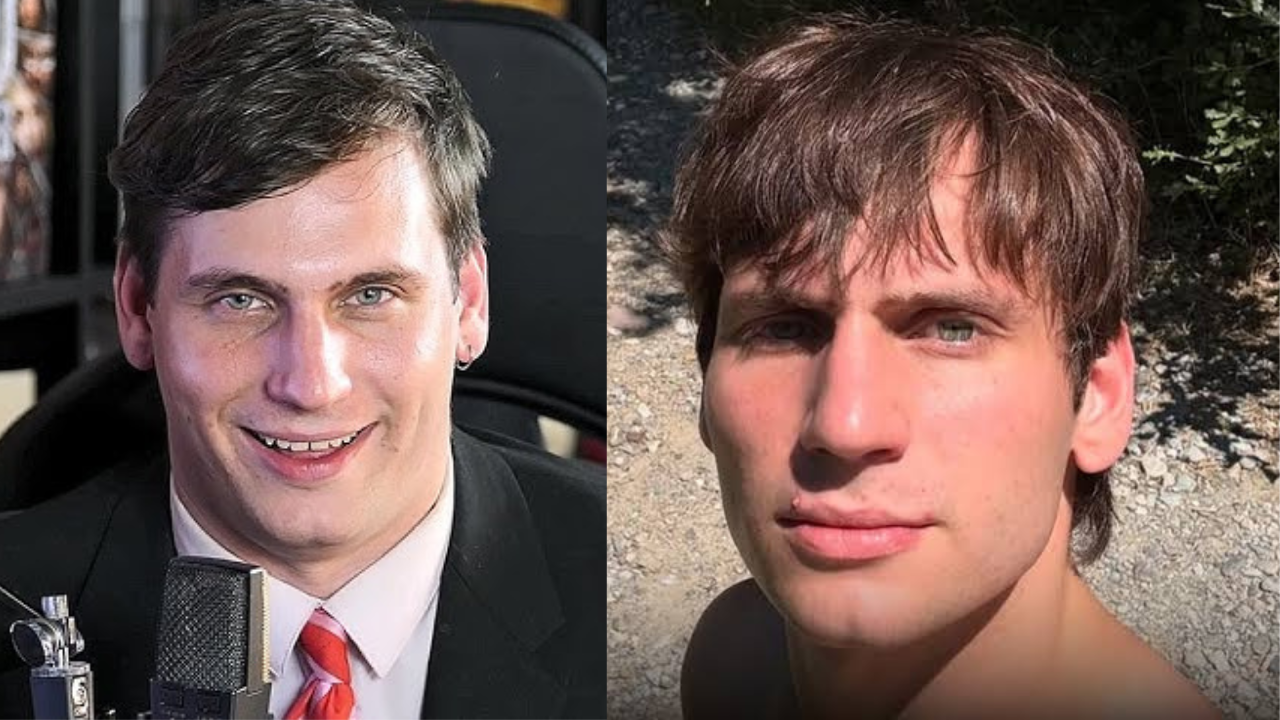
Long before the $24 million pink diamond or the "Just Wanna Rock" dance craze that took over every stadium in America, there was just a kid named Symere Bysil Woods.
He wasn't always a superstar. Honestly, back in 2010, he was mostly just a "regular kid" in North Philly who happened to be obsessed with Mike Jones and The Ying Yang Twins. He didn't even want to rap at first. It sounds crazy now, but the person who basically redefined the sound of a whole generation of "SoundCloud rap" actually started out playing the trumpet in the school band.
Life in Francisville wasn't exactly a movie. Moving between his mom's and dad's houses after they split, Symere was kind of an outcast. He spent more time on a skateboard or watching CatDog than he did in a recording booth. If you look at young Lil Uzi Vert, you don't see a polished pop-trap icon. You see a teenager in North Philadelphia trying to find a way out of a grocery store job he absolutely hated.
The Steaktown Days and the "Machine Gun" Flow
Rap wasn't a passion until tenth grade. It was actually jealousy that sparked it.
His classmate, William Aston, started getting attention at school for freestyling. Uzi—who was going by the name Sealab Vertical or just Vert at the time—got a little competitive. He started recording his own verses over YouTube beats just to prove he could do it.
This led to the formation of a group called Steaktown. If you dig deep enough into the corners of the internet, you can still find the "Steaktown Anthem" video from 2012. It’s raw. It’s gritty. You see a shirtless, skinny Uzi rapping on top of a basketball rim. It’s a far cry from the high-fashion, androgynous rockstar we know today, but the energy was there.
Where did the name come from?
A lot of people think the "Uzi" part is just about being edgy or violent. It’s actually way more literal than that.
While he was still coming up, someone (Uzi once credited a "crackhead" in an interview, though he’s also said it was just a random listener) told him he rapped "fast, like a little machine gun."
- Lil Uzi: The speed of the delivery.
- Vert: Short for vertical, as in "straight to the top."
The name was a manifesto. He wasn't planning on staying in the underground for long.
From Bottom Dollar Food to Face Tattoos
There’s a specific moment in 2014 that changed everything.
Uzi was working at a Bottom Dollar Food grocery store. He lasted exactly four days. He hated it so much he just walked out. When he got home, his mother wasn't having it. She kicked him out.
That was the "burn the boats" moment.
With no job and no home, he went out and got "Faith" tattooed right under his hairline. It was his way of ensuring he could never get a "normal" job again. He had to make music work. He moved in with his grandmother in a nursing home for a while, and that’s where the hunger really set in.
The Breakthrough: Don Cannon and "Purple Thoughtz"
While most kids his age were worried about prom, Uzi was dropping Purple Thoughtz Vol. 1.
This project was weird. It was psychedelic, "phonk-heavy," and way more lyrical than what people expect from him now. It caught the ear of DJ Diamond Kuts, who played it on Philly’s Power 99.
Legendary producer Don Cannon happened to be driving through the city when he heard Uzi on the radio. He was so blown away he called the station immediately to find out who this kid was. That phone call led to a deal with Generation Now (through Atlantic Records) and the release of The Real Uzi in 2014.
Why his early sound was different
If you listen to the early tapes, you can hear the tug-of-war between his influences:
- The Philly Roots: Meek Mill and State Property.
- The Rockstar Edge: Marilyn Manson and Paramore.
- The Southern Bounce: Wiz Khalifa and Mike Jones.
He wasn't just another trap rapper. He was a kid who grew up listening to Mechanical Animals as much as he did The Inspiration. That's why he survived while other "SoundCloud rappers" faded away. He had a foundation that wasn't just based on what was trending on the internet.
The 2016 Explosion
By the time 2016 rolled around, young Lil Uzi Vert was becoming a household name.
Lil Uzi Vert vs. The World dropped in April, and it felt like a cultural reset. Songs like "Money Longer" and "You Was Right" weren't just hits; they were the soundtrack to a new era of colorful, melodic rap.
Then came the XXL Freshman Class of 2016. That cypher—the one with 21 Savage, Kodak Black, Lil Yachty, and Denzel Curry—is still widely considered the best one in the magazine's history. Uzi was the center of it, dancing, smiling, and bringing a sense of fun back to a genre that had become a bit too serious.
But it wasn't all sunshine. The "emo-rap" label started sticking around this time. Behind the "Ps & Qs" accordions, there was a lot of pain.
Understanding the "Rockstar" Persona
Uzi has always been vocal about mental health, even when it wasn't a "cool" thing to talk about in hip-hop.
When "XO TOUR Llif3" dropped as a "throwaway" on SoundCloud in early 2017, nobody expected it to become an 11x Platinum anthem. It was a song about heartbreak and substance abuse, originally written while he was on tour with The Weeknd.
"Push me to the edge / All my friends are dead."
Those lyrics became a rallying cry for a generation of kids who felt isolated. It proved that young Lil Uzi Vert wasn't just a "mumble rapper"—he was a songwriter who knew how to tap into universal feelings of nihilism and loneliness, all while making it sound like a party.
Misconceptions and Reality Checks
People love to point at the satanic imagery or the eccentric outfits and say it’s all for show.
Honestly? It's usually just Uzi being Uzi. He’s always been an outcast. He was the kid in high school who dressed like a skater when everyone else was wearing jerseys. He didn't change for the industry; the industry eventually changed to look more like him.
He’s also had his share of real-world trouble. From dirt bike arrests in Atlanta to much more serious legal battles involving assault charges and probation, the transition from "young Vert" to "global icon" hasn't been a smooth ride. He’s been open about his struggles with sobriety and his time in rehab, showing a level of vulnerability that’s rare for someone at his level of fame.
What You Can Learn from the Early Uzi Era
If you're looking at the trajectory of young Lil Uzi Vert, there are a few real-world takeaways that go beyond just music:
- Bet on yourself when you have nothing left: Getting that "Faith" tattoo was a massive risk, but it forced him to commit. Sometimes you have to close the door on "Plan B" to make "Plan A" work.
- Vulnerability is a superpower: Uzi became a legend because he wasn't afraid to say he was sad. In a genre built on bravado, being real about your feelings is what actually builds a cult following.
- Don't be afraid to be the "weirdo": Uzi was clowned for his fashion and his rock influences early on. Now, every new rapper is trying to dress like him.
The story of the kid from Francisville is far from over. From Steaktown to independent releases under Roc Nation in 2026, he’s managed to keep that "vertical" momentum he promised back in high school.
To really understand Uzi today, you have to go back to those 2012 YouTube clips. You have to see the kid on the basketball rim. That’s where the "machine gun" flow started, and that’s the hunger that still drives him today. If you're a fan, go back and listen to Purple Thoughtz Vol. 1. It's the blueprint for everything that came after.