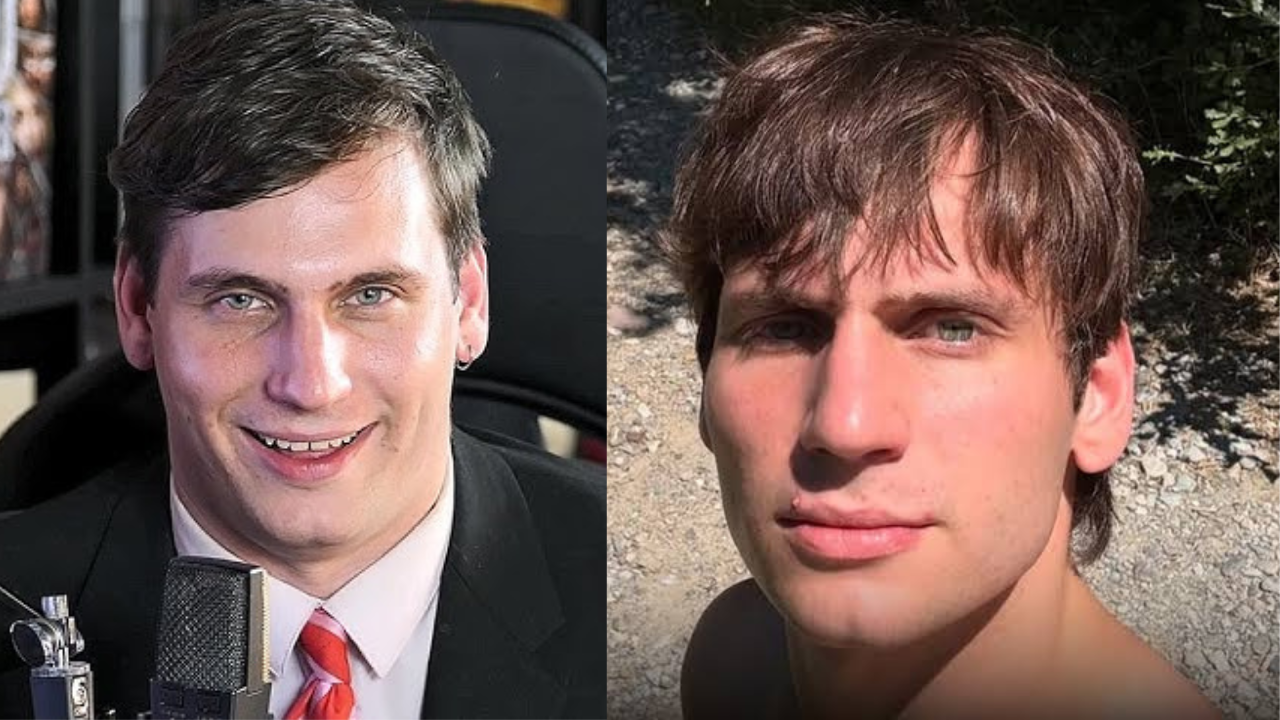
The internet thrives on a baseline of unverified chaos, and the recent algorithmic hysteria surrounding Argentine YouTuber Gaspi (Facundo Gaspar García) and American indie-pop provocateur Oliver Tree is the exact symptom of a dying media ecosystem.
When a rumor circulated that these two digital-era chaos agents died together in a helicopter crash in Rio de Janeiro, the collective internet did exactly what it was programmed to do: it stopped thinking. Algorithms spun into overdrive. Scraping bots generated thousands of identical, low-effort eulogies. Millions of fans flooded comment sections with generic grief before anyone bothered to ask a simple, fundamental question.
Is any of this actually true?
No. It is entirely fabricated. The crash never happened. Oliver Tree is currently preparing for his next stunt, and Gaspi is still alive, likely laughing at how easily the entire digital apparatus was manipulated by a single piece of fiction.
The lazy consensus among entertainment writers treating this hoax as a "tragic misunderstanding" or a "bizarre internet mystery" misses the point entirely. This was not a glitch in the matrix. It was the matrix working exactly as intended. We have built an information pipeline that values speed over reality, where the monetization of phantom grief has become a highly lucrative business model.
The Anatomy of an Algorithm-First Hoax
To understand why this specific rumor spread like wildfire, you have to understand the audiences of the two figures involved. They are both masters of the bizarre, operating in a sub-section of internet culture where the line between reality and performance art is permanently blurred.
- Gaspi: Known for his confrontational, hyper-real, and deeply chaotic street journalism in Argentina, Gaspi pushes the boundaries of public discomfort. His content feels dangerous, unpredictable, and inherently volatile.
- Oliver Tree: An artist who has built an entire career on meta-irony, fake retirements, staged feuds, and fabricated injuries. He is a walking meme who treats his public persona as a continuous, surrealist joke.
When you combine a Latin American street provocateur with an American stunt-pop artist in a hypothetical helicopter crash in Brazil, you create the perfect storm for algorithmic amplification. It bridges distinct geographic demographics. It triggers automatic alerts across multiple languages.
I have watched digital media networks bleed millions of dollars in credibility over the last decade by chasing these exact phantom spikes in search traffic. The formula is always the same. An anonymous account posts a TikTok or a tweet with a high-stakes claim. The automated scraping tools used by major entertainment outlets flag the sudden surge in keywords. Within twenty minutes, a dozen articles are published with titles asking, "Did [Celebrity] Die?"
They do not publish the article to give you an answer. They publish it to capture your click while you are still panicked.
Why We Are Hardwired to Swallow the Lie
The premise of the question most people are asking—"How did this rumor start?"—is flawed. The real question we should be asking is: "Why did we want to believe it?"
Modern internet culture suffers from a profound addiction to collective grief. Tragic celebrity deaths create a temporary, hyper-connected digital wake where individuals can signal their empathy and cultural relevance simultaneously. When a public figure dies, the internet transforms into a marketplace of competitive mourning.
"The economy of the modern web does not reward accuracy; it rewards the speed at which you can validate an emotional response."
Because Gaspi and Oliver Tree both cultivate an aura of reckless abandon, a sudden, violent end feels narratively satisfying to an audience fed on a steady diet of extreme content. It fits the archetype of the tragic, boundary-pushing artist taken too soon. The hoax succeeded because it felt like a plausible final act for characters who live their lives on the edge of social norms.
Dismantling the PAA Fallacy: The Premise is Broken
If you look at the "People Also Ask" metrics for this incident, the queries are telling. They reveal an audience completely detached from media literacy.
"Was the Rio helicopter crash covered up?"
This is the inevitable conspiracy theory that emerges whenever a hoax is exposed. People would rather believe in a massive, multi-national governmental cover-up involving Brazilian authorities, American record labels, and Argentine influencers than admit they were fooled by a teenager with a CapCut account. There was no cover-up because there was no helicopter, no crash, and no bodies.
"Why were Gaspi and Oliver Tree in Brazil together?"
They weren't. The rumor relied on the fact that both creators are known for international travel and unexpected collaborations. By placing them in a neutral, chaotic environment like Rio de Janeiro, the creators of the hoax lent it a veneer of globalist glamour that distracted from the complete lack of flight manifests, local news reports, or official statements from Rio's emergency services.
The Dangerous Economics of Manufactured Death
There is a dark downside to taking a hard, cynical stance on these internet hoaxes. The cynicism itself can desensitize us to actual tragedy. When a real event occurs, the immediate reaction of the modern digital consumer is now deep skepticism or, worse, complete apathy. We have cried wolf so many times through automated SEO articles that the currency of human empathy has been entirely devalued.
But the alternative—accepting the current state of digital media—is worse.
Right now, major entertainment sites are using automated systems to index every possible permutation of a celebrity's name alongside the word "dead" or "accident." They are waiting for the algorithm to twitch. It is a predatory infrastructure that treats human life, and human grief, as raw material for ad impressions.
The Gaspi and Oliver Tree hoax is a warning shot. It proves that the systems we rely on for information cannot differentiate between a tragic loss of life and a completely fabricated rumor designed to farm engagement. If a lie can travel around the world and kill two living people before a single journalist checks a local police report, then the system isn't just flawed. It is compromised.
Stop reacting to the initial surge. Stop sharing unverified TikTok screenshots. Stop feeding the machine that turns fake funerals into real profit. The next time the internet tells you a creator is gone, assume it is a lie until the boring, slow, traditional channels prove otherwise. Turn off the notifications and let the algorithm starve.