It was the mid-1980s. Home video was exploding. Everyone with a VCR was suddenly a film critic, and the adult-oriented drama market was hitting a peak it would probably never see again. Into this mix dropped Young Lady Chatterley II, a film that didn't just try to ride the coattails of D.H. Lawrence's infamous name—it basically sprinted with them.
Honestly, sequels in this genre are usually a mess. They’re often rushed, cheap, and lacking whatever spark made the first one a "must-watch" for the late-night cable crowd. But this movie? It’s a bit of a weird anomaly. Directed by Alan Roberts, the 1985 sequel to the 1977 original didn't feature Harlee McBride's Cynthia Chatterley in the exact same light as the first, yet it maintained a specific kind of low-budget elegance that modern audiences often find hilariously charming or strangely nostalgic.
If you’re looking for a faithful adaptation of literature, you’re in the wrong place. Very wrong. This is "Chatterley" in name and vibe only.
The Story Behind Young Lady Chatterley II
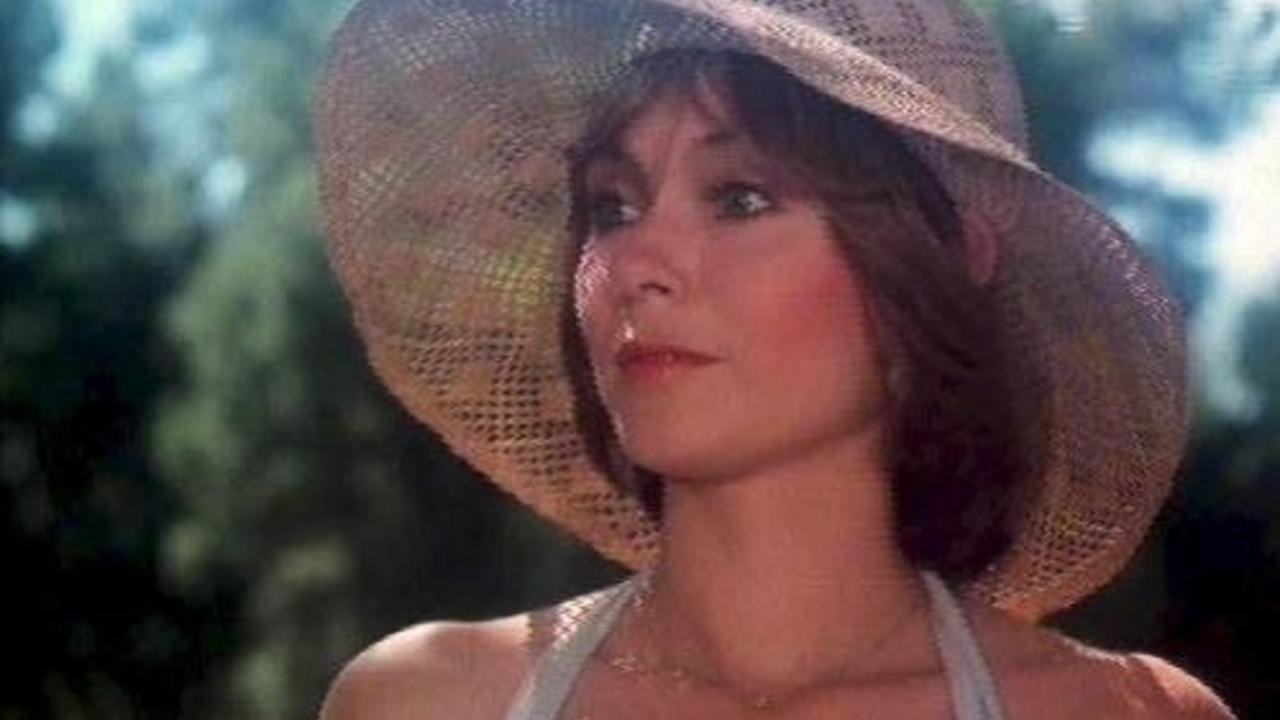
The plot is... well, it's a plot. We follow Cynthia, who has now inherited an estate. She's young, she's wealthy, and she’s bored. Basically, she’s a magnet for every wandering soul with a "problem" that only a wealthy benefactress can solve. What makes Young Lady Chatterley II stand out from the sea of 80s exploitation is the production value. Unlike the gritty, grainy stuff coming out of New York at the time, this had that sun-drenched, soft-focus California look. It felt like a soap opera with the brakes cut.
Adam West is in it. Yeah, that Adam West.
The Batman himself shows up as Professor Arthur Bohart Jr. It’s one of those roles that makes you do a double-take. He brings this bizarre, campy energy to a movie that would otherwise be a straightforward erotica-lite flick. Seeing him play opposite Harlee McBride is a trip. McBride, for those who don't know, was actually married to the legendary comedian Richard Belzer. The connections in this movie are way more interesting than the actual script, frankly.
Why the Sequel Matters to Cult Cinema Collectors
Collectors are obsessed with this era of "Soft-R" cinema. Why? Because it doesn't exist anymore. Today, everything is either hardcore or completely sanitized. There’s no middle ground. Young Lady Chatterley II occupies that "after-hours" space that defined 80s cable TV. It’s a time capsule of fashion, lighting, and a very specific type of Hollywood hustle.
The film was produced by David DeCoteau, a name that anyone into B-movies knows by heart. DeCoteau is a legend of the direct-to-video world. His involvement ensures that while the movie might be silly, it’s professionally shot. It doesn't look like a home movie. It looks like a real film, even if the dialogue makes you want to hide under your sofa.
The 1980s were a weird transition for the Chatterley brand. You had the high-brow versions, like the 1981 Sylvia Kristel movie, and then you had the Roberts/McBride versions. The latter were unashamedly about entertainment. They weren't trying to win Oscars or challenge social structures. They were trying to sell VHS tapes. And boy, did they sell.
Breaking Down the Cast and Crew
- Harlee McBride: She returned as Cynthia. She has this very specific screen presence—aloof but somehow engaged. It’s hard to pull off.
- Alan Roberts: The director knew exactly what the audience wanted. He didn't overcomplicate the shots.
- Sybil Danning (The Connection): While not in this specific sequel, her presence in the era’s genre films often leads people to group these movies together in "Best of the 80s" lists.
- The Setting: A sprawling estate that feels like it’s located somewhere between a dream and a Malibu rental.
What Most People Get Wrong About the Content
There’s a misconception that these movies were just "trash."
That’s a bit reductive. If you look at the cinematography, there’s a real effort to mimic the European style of the 70s. Long pans. Natural lighting. It’s an attempt to elevate the material. Sure, the "Young Lady Chatterley II movie" isn't Citizen Kane, but it’s a masterclass in how to make a small budget look like a million bucks.
People also forget how much these films influenced the "erotic thriller" wave of the 90s. Without the success of the Chatterley sequels, we might not have gotten the late-night thrillers that dominated HBO and Showtime a decade later. They proved there was a massive, hungry audience for "adult stories" that weren't quite "adult films."
Distribution and the Legacy of the "Chatterley" Title
The legalities of the "Chatterley" name are a mess. D.H. Lawrence's estate didn't have an iron grip on the title in the US for a long time, leading to various producers slapping the name on anything with a manor house and a gardener. Young Lady Chatterley II is the most successful of the "unofficial" spin-offs. It managed to create its own internal logic.
Finding a high-quality copy today is surprisingly difficult. Most versions are ripped from old VHS masters, giving them that "tracking line" aesthetic that some people actually pay extra for nowadays. It’s digital nostalgia.
The Technical Side of the 1985 Production
Technically, the film is a product of its time. 1.85:1 aspect ratio, mono sound, and a lot of hairspray. The editing is actually tighter than the first film. Alan Roberts cut out a lot of the lingering, boring shots that plagued the 1977 original. He knew that by 1985, audiences had shorter attention spans. They wanted the plot to move.
Is it a "good" movie? By objective standards, probably not. But as a piece of cultural history? It’s fascinating. It represents the "Wild West" of independent film distribution before the big studios realized they could make money in this niche and started buying everyone out.
Actionable Steps for Film History Buffs
If you're looking to dive into this specific niche of 80s cinema, don't just stop at the Young Lady Chatterley II movie. There’s a whole ecosystem of these films.
- Check the Credits: Look for David DeCoteau’s early work. You’ll see how he honed the skills that led him to become one of the most prolific directors in history.
- Compare Versions: Watch the 1981 Just Jaeckin version of Lady Chatterley’s Lover and then watch this sequel. The difference in tone tells you everything you need to know about the gap between "Art House" and "Grindhouse."
- Physical Media Matters: If you find a DVD copy from the early 2000s, grab it. Many of these titles are falling out of print or being lost to the "streaming void" where licenses expire and movies disappear forever.
- Research the Cast: Follow the careers of the bit players. You’ll find them popping up in everything from General Hospital to Knight Rider.
The real value in watching these films today isn't just the "plot." It's the craft. It's seeing how filmmakers worked within the strict constraints of the mid-80s video market to create something that people are still searching for forty years later. That kind of staying power, even if it's for a cult audience, isn't an accident. It's the result of a very specific time, place, and a Batman in a tuxedo.
Next Steps for the Interested Viewer
Check out the "Cult Cinema" sections on niche streaming platforms like Tubi or Night Flight. They often cycle through these titles. If you’re a collector, look for the original VHS covers; the artwork alone is a fascinating study in 80s marketing tactics designed to catch someone's eye in a dark video store aisle. Be aware that many modern "digital" versions are heavily edited, so finding an original cut is the only way to see the film as it was intended for the 1985 home video market.