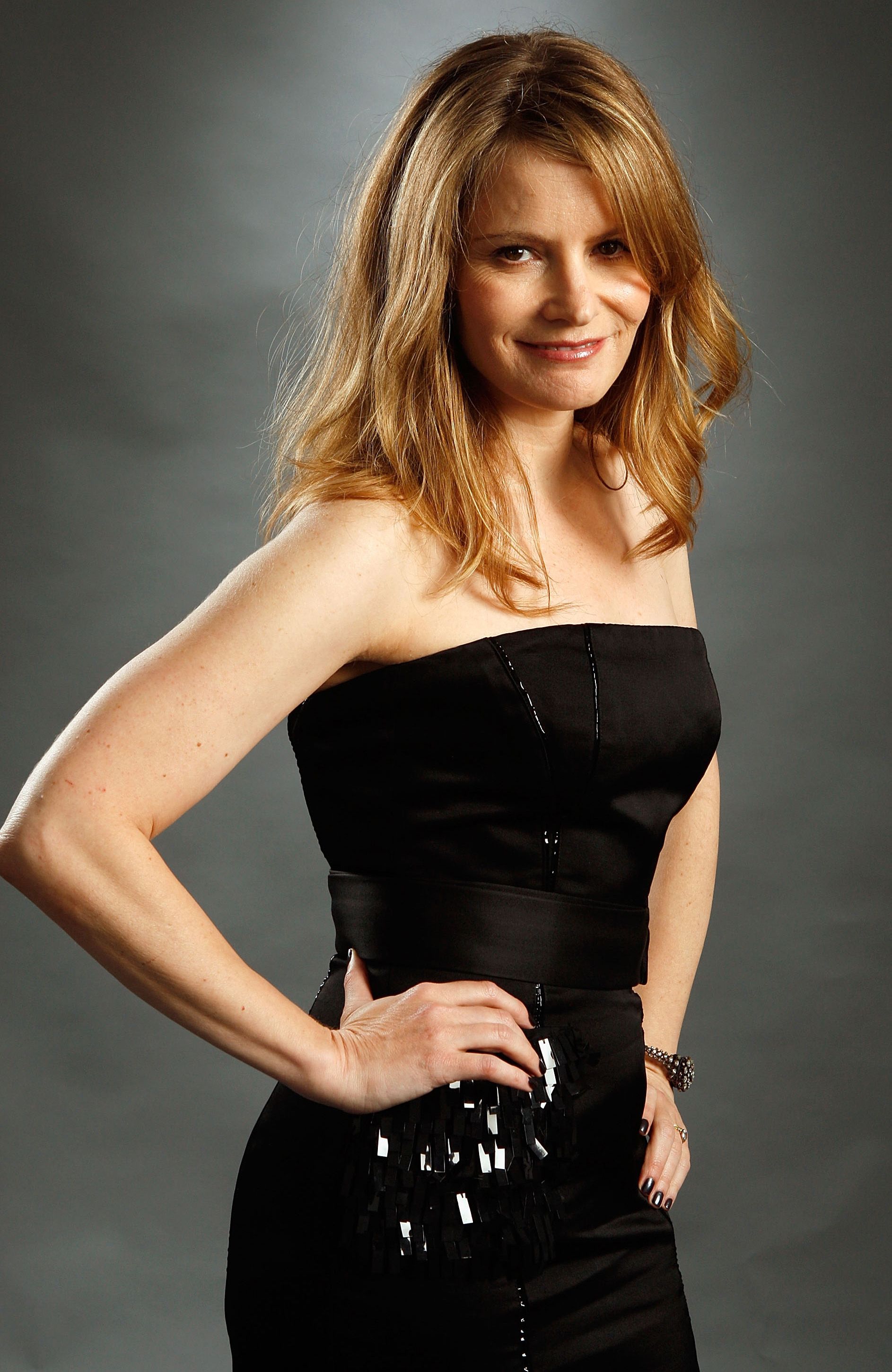
If you only know Jennifer Jason Leigh from her Oscar-nominated, blood-soaked turn in The Hateful Eight or her recent TV work, you're missing out on one of the wildest, most uncompromising arcs in Hollywood history. Honestly, looking back at young Jennifer Jason Leigh, it’s clear she wasn't interested in being the "it girl" or the prom queen, even when she looked the part. She was a research fanatic. A shapeshifter. Someone who would drop to 86 pounds just to play a role truthfully.
She grew up in the middle of the industry—the daughter of actor Vic Morrow and screenwriter Barbara Turner—but she never acted like a Hollywood legacy. She was more likely to be found buried in books or wandering the streets of Brooklyn to prep for a role than walking a red carpet. By the time she was 20, she had already delivered a performance in Fast Times at Ridgemont High that felt so real it was basically a documentary of teenage awkwardness.
The Breakthrough: Beyond Ridgemont High
Most people point to Stacy Hamilton as the definitive young Jennifer Jason Leigh moment. And sure, Fast Times at Ridgemont High is a classic. But while everyone else was focused on the comedy or Sean Penn's Spicoli, Leigh was doing something much more quiet and heartbreaking. She played Stacy with this raw, wide-eyed curiosity that made the character’s eventual "loss of innocence" feel like a punch to the gut.
Critics like Roger Ebert noticed it immediately. He saw a star who wasn't just "cute," but deeply human. But instead of taking that momentum to star in big-budget rom-coms, Leigh took a sharp left turn. She started picking roles that were, frankly, terrifying.
Radical Commitment and Method Madness
The thing about Leigh is that she doesn’t just "play" a character. She inhabits them in a way that’s almost uncomfortable to watch. For the 1981 TV movie The Best Little Girl in the World, she portrayed an anorexic teenager. Most actors would just act hungry. Leigh actually dropped her weight down to 86 pounds. She wanted to feel the physical exhaustion and the mental fog of the disorder.
She once told an interviewer that she likes to "investigate all different kinds of people" to find out what makes them who they are. This wasn't some corporate PR speak. She was mentored by Lee Strasberg at 14. She learned the craft from the ground up, and that intensity never really went away.
The Gritty 90s Peak
If the 80s were about potential, the early 90s were about pure, unadulterated dominance in the indie world. Think about this run:
- Last Exit to Brooklyn (1989): She played Tralala, a prostitute in a grim, post-war Brooklyn. It’s a brutal, devastating performance that won her Best Supporting Actress from the New York Film Critics Circle.
- Miami Blues (1990): As Susie, she was the perfect, naive foil to Alec Baldwin’s chaotic ex-con.
- Rush (1991): She played an undercover narcotics cop who spirals into addiction. She didn't just play "high"—she researched the physical tics and the psychological collapse of a user.
- Single White Female (1992): This was her biggest mainstream hit. As Hedy, the roommate from hell, she managed to make a "villain" feel deeply pathetic and lonely. It’s a masterclass in psychological horror.
She had this habit of taking home her characters. She's admitted that it usually takes about two and a half weeks after filming for her to "return to herself." When you’re playing people as damaged as Tralala or Hedy, that’s a heavy burden to carry.
A Legacy of Being "Difficult" (In the Best Way)
Leigh was often labeled as an actress who played "misfits" or "unhinged" characters. But that’s a lazy way of looking at it. What she was actually doing was refusing to be boring. She didn't want to play "the babe" in a studio film because she thought she’d "stink" at it. She wanted depth.
She even worked with the Coen brothers in The Hudsucker Proxy, doing a lightning-fast, 1930s-style newsroom accent that some people hated because they didn't "get" the reference. She didn't care. She had studied the old films. She knew exactly what she was doing.
What We Can Learn from Her Early Career
Young Jennifer Jason Leigh is a blueprint for anyone trying to build a career on substance rather than hype. She wasn't a "careerist." She didn't have a five-year plan. She lived "a month at a time," picking projects because they taught her something new.
If you want to dive into her work, don't just stick to the hits. Look for the small, weird stuff.
Steps to explore the Jennifer Jason Leigh "School of Acting":
- Watch "Georgia" (1995): Written by her mother, this is perhaps her most personal performance. She plays a self-destructive singer living in the shadow of her successful sister. She sang all the songs live, even the ones where her character is supposed to be failing.
- Compare Stacy Hamilton to Hedy Carlson: Notice the range. It’s the same face, but the soul behind the eyes is completely different.
- Read up on her research process: She’s a "research fanatic." Whether it was learning about Dorothy Parker’s wit or the life of a 19th-century heiress in Washington Square, her prep work is legendary.
Jennifer Jason Leigh proved that you don't have to play the Hollywood game to win. You just have to be so good, and so weird, that they can't possibly look away.