If you were outside in the summer of 2008, you didn’t just hear Young Jeezy Put On—you felt it. It was the kind of record that made your trunk rattle before the vocals even kicked in. It wasn't just another rap song on the radio; it was a psychological shift.
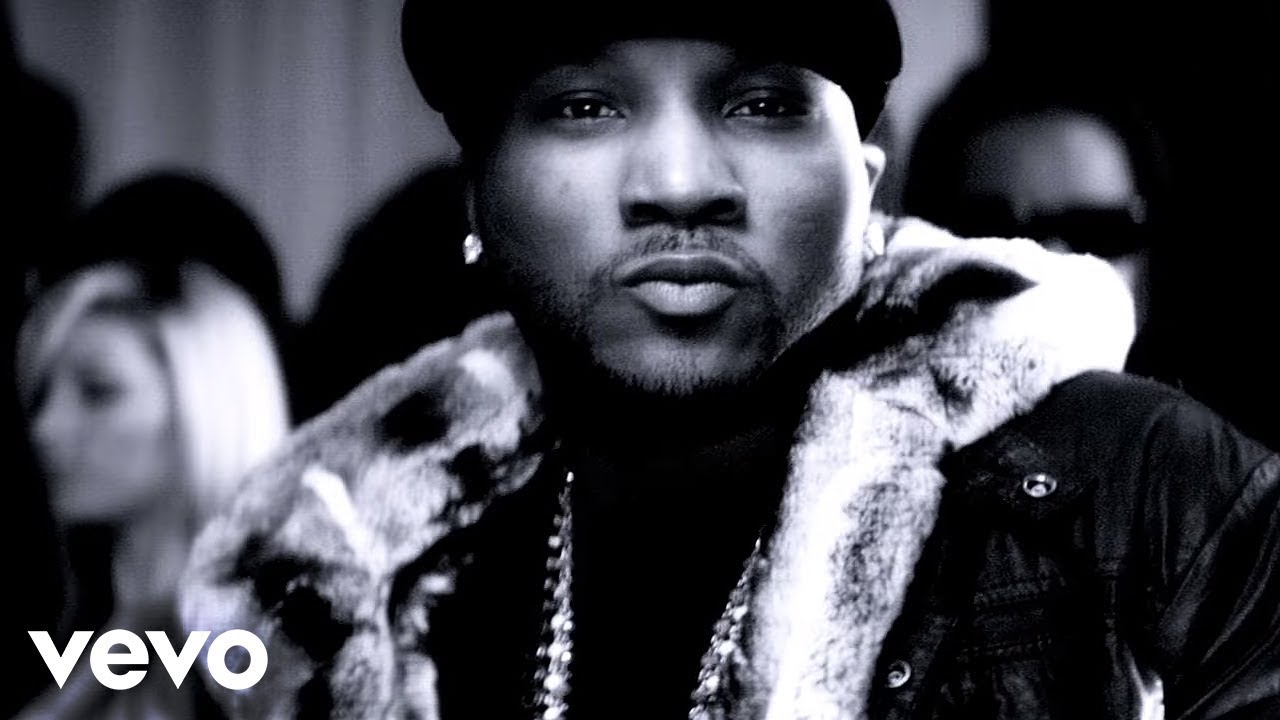
At the time, the world was literally falling apart. The subprime mortgage crisis was gutting neighborhoods, and the "Great Recession" was moving from a headline to a terrifying reality for millions of families. Then comes Jeezy, the Snowman himself, draped in a black-and-silver American flag in the music video, telling everyone that despite the financial ruin, we were still going to represent where we came from.
The 3 A.M. Magic of Drumma Boy
The beat for "Put On" wasn't some polished, over-produced corporate product. It was born out of pure, unadulterated frustration. Memphis producer Drumma Boy actually created the instrumental around 3:00 a.m. after getting into a heated argument with someone at his house. He was pissed off, alone, and channeled all that aggressive energy into his Pro Tools session.
He wanted something that felt like the Chicago Bulls intro from the 90s—that iconic, chilling "Sirius" track by The Alan Parsons Project. He wasn't trying to make a club hit. He was trying to make a "ghetto symphony."
The result? Those haunting, sci-fi synths and a bassline so deep it literally mimics a fluctuating heartbeat. Drumma Boy ended up selling it to Jeezy as part of a seven-song beat tape. He didn’t even know Kanye West was on the track until he heard the finished version on the radio. Talk about a surprise.
That Kanye Verse: A Turning Point in Hip Hop
We have to talk about the guest feature. Honestly, Kanye West's appearance on "Put On" is one of the most pivotal moments in his entire career, and maybe in modern rap history.
Before this, Kanye was the "Louis Vuitton Don," the guy with the bright colors and the soul samples. But when Jeezy called him for the feature, Kanye was in a dark place. His mother, Dr. Donda West, had recently passed away. He hadn't been in the booth for a long time.
Jeezy basically had to coax him out. He told Kanye, "I get it, but we need you."
Kanye called him back ten minutes later and rapped the verse over the phone. When he finally turned it in, people were shocked. He wasn't just rapping; he was using Auto-Tune in a way that felt raw and pained, not robotic or "pop." It was the bridge between his Graduation era and the moody, atmospheric vibes of 808s & Heartbreak. Without this verse, we probably don't get the Kanye that changed the sound of the 2010s.
Why It Became the "National Anthem of the Hood"
Jeezy doesn't really "rap" in the traditional sense on this track. He chants. His voice is raspy, authoritative, and heavy. When he screams "I put on for my city," it doesn't matter if you're from Atlanta, Chicago, or a small town in the middle of nowhere. You feel like you owe it to your home to succeed.
The song peaked at number 12 on the Billboard Hot 100, which is wild for a track this dark and aggressive. It stood out because it gave a voice to the survivalist mindset.
- The Symbolism: The music video used black and silver flags to represent a "New America" during the economic downturn.
- The Ad-libs: Jeezy’s "Yeaaaah" and "Haha" were used as punctuation marks that gave the song its signature "trap gospel" feel.
- The Remix: Jay-Z eventually hopped on a remix, briefly trying out Auto-Tune himself before famously saying, "I don't need no T-Pain" and sticking to his classic flow.
The Technical "Trap" Blueprint
A lot of people credit Jeezy with being the blueprint for trap music, even if he prefers to just call it "art" or "survival music." The tempos on The Recession were slower than the "crunk" music that came before it. The sonics were deeper.
"Put On" proved that you could have a massive commercial success without sacrificing the grit of the streets. It wasn't "pretty" music. It was cinematic. It felt like a movie scene where the protagonist is finally walking out of the shadows.
How to Use the "Put On" Mindset Today
If you’re looking to channel that 2008 energy into your own life or business, there are a few real-world takeaways from how this song was built and marketed:
- Leaning Into the Friction: Drumma Boy made his best work when he was angry. Don't wait for "perfect" inspiration; use the stress of your current situation to fuel your creative output.
- The Power of Association: Jeezy knew the song was great, but he knew adding Kanye would make it a moment. Look for collaborators who contrast your style rather than just mimicking it.
- Visual Consistency: The "Snowman" branding and the specific aesthetic of the Recession era (the flags, the all-black attire) made the movement recognizable.
The legacy of "Put On" is more than just a Grammy nomination or a spot on the Midnight Club: Los Angeles soundtrack. It’s a reminder that even when the economy is tanking and things feel bleak, you can still "put on" for the people who believe in you.
Start by identifying what "putting on" looks like for your community right now. Is it supporting a local business? Is it mentoring someone in your field? Whatever it is, do it with the same intensity Jeezy brought to that first verse.
Actionable Insights: To truly understand the impact, go back and watch the original 2008 music video. Notice the specific imagery of the neighborhoods—it’s a time capsule of an era where hip hop transitioned from "bling" to "survival." If you're a producer, study the way Drumma Boy layers those "Twilight Zone" synths; it’s a masterclass in creating atmosphere without overcomplicating the melody.