Wait. You think you know Leroy Jethro Gibbs? The guy with the boats, the head slaps, and the "Rule 40" wisdom? Not so fast. The man we watched for nineteen seasons on NCIS was a finished product—a stoic, silver-haired sniper who had already survived the worst life could throw at him. But the version of young Gibbs on NCIS that's currently taking over our screens is a different beast entirely.
Honestly, he's a mess. And that's exactly why he's interesting.
For years, we only got glimpses of the man’s past through grainy flashbacks and the occasional gut-punch of a memory. Now, with the prequel series NCIS: Origins hitting its stride in 2026, we’re seeing the 1991 version of Gibbs in high definition. It’s not just a change in actors. It’s a total dismantling of the legend.
The Two Faces of the Young Agent
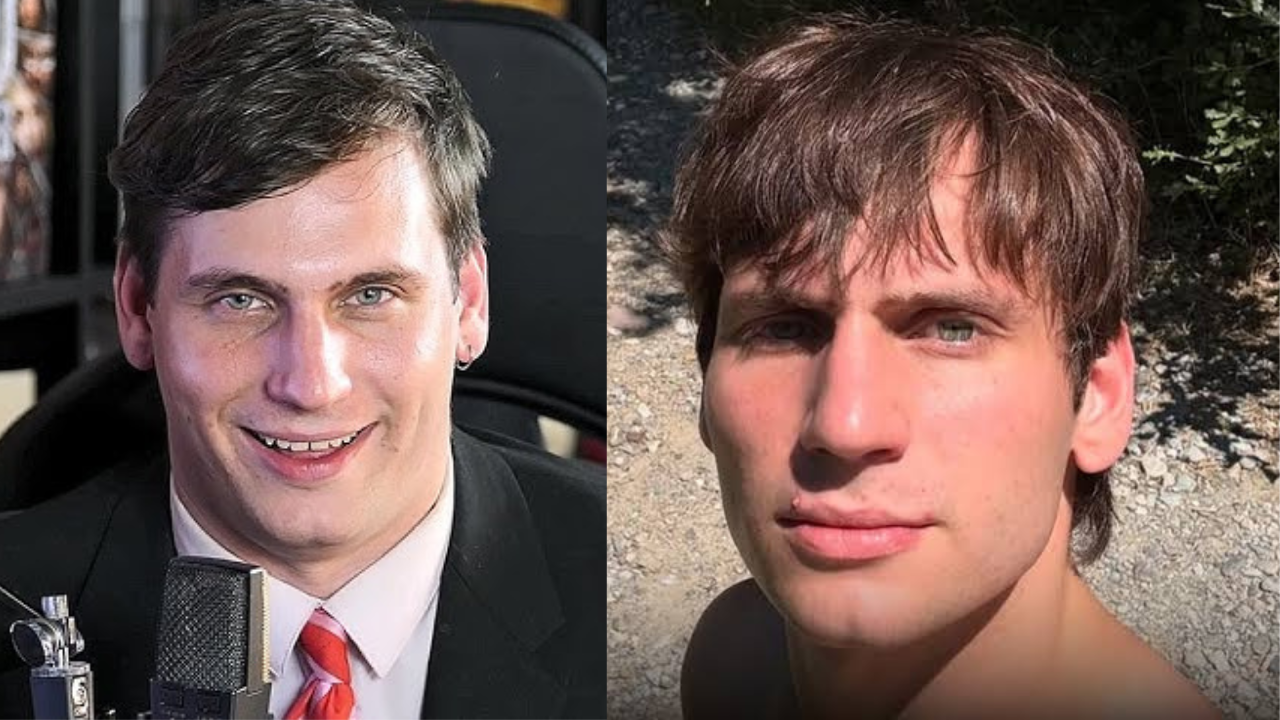
When fans talk about young Gibbs on NCIS, they’re actually talking about two very different eras of television. First, you have the legacy. For years, the "young" Gibbs was played by Sean Harmon. If that name sounds familiar, it should. He’s Mark Harmon’s real-life son. Talk about perfect casting, right? He stepped into his dad's combat boots for seven episodes, most notably in the 400th episode, "Everything Starts Somewhere."
He had the look. He had the DNA. But then things shifted.
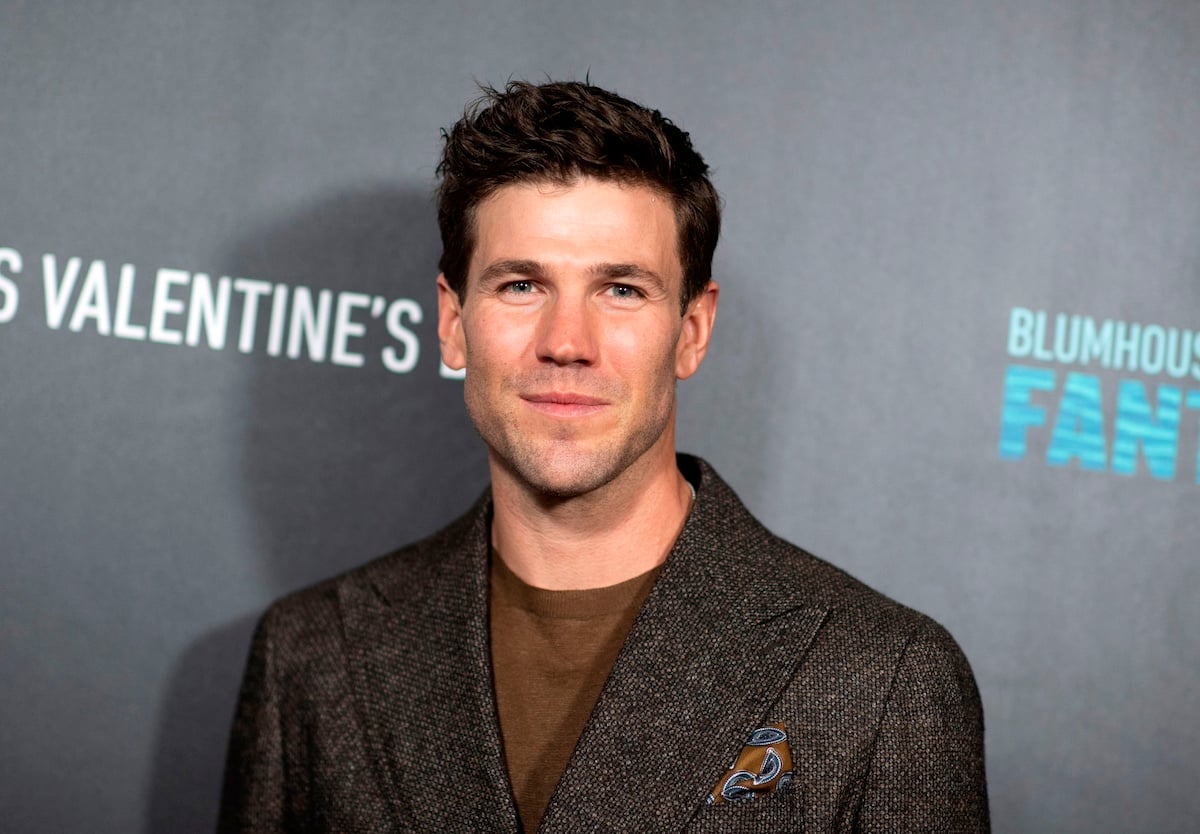
When CBS decided to greenlight a full-blown prequel, Sean Harmon made a surprising move. He didn't want the lead. Instead of acting, he stepped behind the camera as an executive producer. He basically said, "I've done my bit, now let's find the guy who can carry a whole series." That guy turned out to be Austin Stowell.
Why Austin Stowell Isn't Just a Mark Harmon Clone
Finding someone to replace a TV icon is basically a suicide mission for an actor. You’re either too similar and it feels like a parody, or you’re too different and the fans revolt. Stowell had to find a middle ground.
Interestingly, Mark Harmon himself said the room "jumped" when Stowell walked in for the audition. There was just something there. A "movie star" quality that wasn't just about mimicry.
Stowell doesn't just do a Mark Harmon impression. He’s playing a guy who is actively drowning in grief. Remember, the year is 1991. This is just months after Shannon and Kelly were murdered. The Gibbs we see in Origins isn't the guy who knows all the answers. He’s the guy who can’t even find his own keys because his brain is shattered.
The 1991 Timeline: Where the Rules Came From
You’ve probably wondered where those famous "Rules" started. In the original series, they felt like ancient stone tablets. In the world of young Gibbs on NCIS, we see them being written in real-time. Or rather, we see the trauma that forced him to write them.
It's gritty. The Camp Pendleton office in the 90s isn't the high-tech hub we know. It's full of ashtrays, old bulky monitors, and a "ragtag" team led by Mike Franks.
- The Mike Franks Factor: Kyle Schmid plays the younger version of the legend. He’s the one who takes this broken Marine and turns him into an investigator.
- The Emotional Weight: This Gibbs is "jumpy." He lashes out. He makes mistakes.
- The Blue Eyes: Fun fact—Stowell actually wears contact lenses to match Mark Harmon’s eye color. It’s a small detail, but for die-hard fans, it matters.
What Most People Get Wrong About the Prequel
There’s this misconception that a prequel is just a "fill-in-the-blanks" exercise. People think we already know the story because we know how it ends. But NCIS: Origins is proving that the how is way more important than the what.
Most fans assumed Gibbs was always the "Alpha" in the room. He wasn't. In 1991, he’s the "probie." He’s the guy being told what to do. He’s the guy who hasn’t earned the respect of the team yet. Watching him struggle to prove himself while dealing with the fact that his family is gone is... well, it’s heavy stuff.
The show also introduces characters we never knew existed, like Lala Dominguez. Her chemistry with young Gibbs on NCIS adds a layer of complexity that was never mentioned in the original run. It makes you wonder: what else was he hiding for thirty years?
The Transformation: From Stowell to Harmon
It’s a long road from the 1991 version of the character to the guy who eventually leads the MCRT. Stowell has mentioned in interviews that he studied Mark Harmon’s "cadence." The way he pauses. The way he uses his eyes instead of his voice.
But he also intentionally plays the "worst" traits of Gibbs—the impulsiveness, the vulnerability—knowing they will eventually harden into the "best" traits of the older character. The "gut feeling" that makes the older Gibbs a genius? In 1991, that same gut feeling just looks like an unstable agent breaking the rules.
Actionable Insights for Fans and Writers
If you’re a fan trying to keep the timelines straight, or a writer looking at how to reboot a legacy character, here’s the reality of the situation:
- Watch the Flashbacks First: Go back and watch "Heartland" (Season 6, Episode 4) and "Everything Starts Somewhere" (Season 18, Episode 2). These are the blueprints Sean Harmon laid down.
- Separate the Men: Treat the young Gibbs on NCIS as a separate character from the veteran. If you expect him to be the boss, you’ll be disappointed. He’s a student.
- Pay Attention to the Tech: The 1991 setting isn't just window dressing. The lack of cell phones and DNA databases changes how they solve crimes, forcing Gibbs to rely on the "instincts" that become his trademark.
The story of Leroy Jethro Gibbs isn't just about catching bad guys. It’s about a man rebuilding himself from the ashes. Whether it’s Sean Harmon’s respectful nods or Austin Stowell’s raw, emotional performance, the "young" version of this character is finally getting the spotlight he deserves. It's not just a prequel; it's a character study of a man who lost everything and found a reason to keep going.
To get the full picture of the transition, your next step is to watch the NCIS: Origins pilot alongside the original NCIS pilot, "Ice Queen." Comparing how the character carries himself in both will show you exactly how much work the actors put into bridging that 30-year gap.