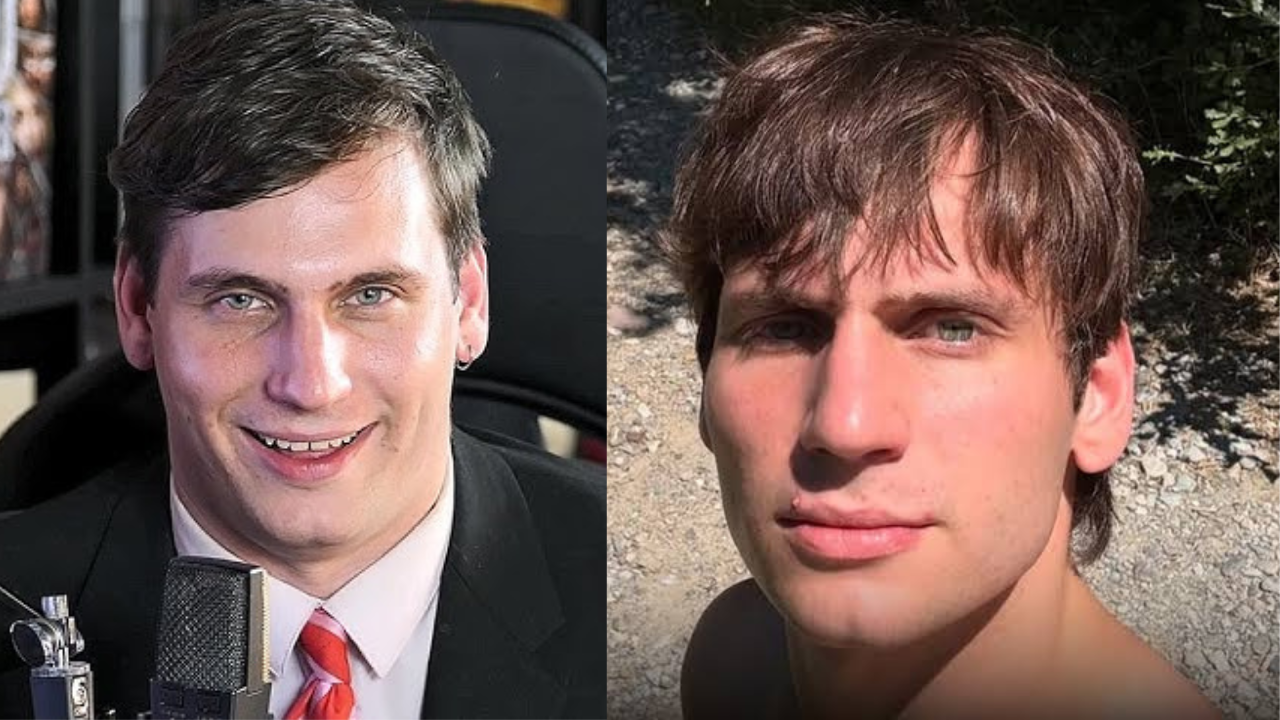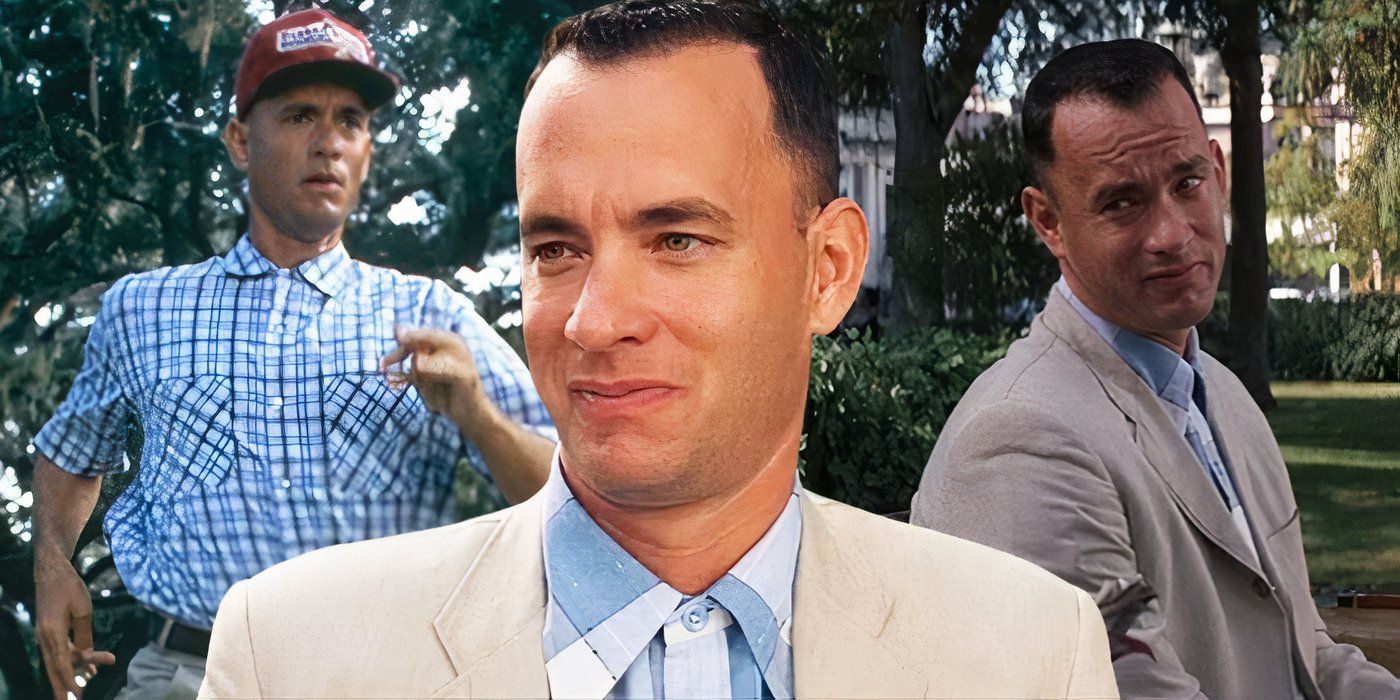
You remember the braces. You remember the "Run, Forrest, run!" scream from the back of that truck. But what most people don’t realize is that the young Forrest Gump actor, Michael Conner Humphreys, wasn't just a kid playing a role. He was actually the blueprint for the entire movie.
When Robert Zemeckis was casting for the 1994 blockbuster, he found this eight-year-old kid from Independence, Mississippi. Michael didn't have an acting coach. He didn't have a headshot. He just had this incredibly thick, rhythmic Southern drawl that was entirely real.
The Voice That Changed Tom Hanks
Here’s a bit of trivia that usually floors people: Tom Hanks didn’t invent that iconic Forrest Gump voice. He stole it.
Well, "stole" is a harsh word. He meticulously modeled it. Hanks struggled to find the right cadence for Forrest until he spent time with Michael. The way the kid talked—slow, deliberate, and deeply Southern—became the foundation for one of the most famous characters in cinema history.
Hanks basically spent weeks recording Michael and practicing how to mimic his speech patterns. It’s wild to think that an Oscar-winning performance was essentially a tribute to an eight-year-old boy's natural way of speaking.
Life After the Bench: The Young Forrest Gump Actor Chooses a Different Path
Most child stars in a Best Picture winner immediately move to L.A. They get agents. They do cereal commercials. Michael Conner Humphreys did the opposite.
He went back to Mississippi. He went back to the third grade.
His parents weren't "stage parents." They didn't push him into the Hollywood meat grinder. Michael once told The Sun that he saw what happened to other child stars and honestly didn't think it looked like much fun. He wanted to play with his friends. He liked school. Hollywood felt like a weird fever dream that was over, and he was fine with that.
The young Forrest Gump actor basically vanished from the public eye for a decade. He did some high school theater, sure, but he wasn't looking for the spotlight. He was just Michael.
Life Imitating Art: From the Screen to the Army
Life has a funny way of circling back on itself. In Forrest Gump, Forrest joins the Army and heads to Vietnam. In 2004, Michael Conner Humphreys decided to follow a similar route.
He enlisted in the U.S. Army as an infantryman. This wasn't a PR stunt. It was November 2004, and the war in Iraq was at a violent peak.
Michael ended up serving four years. He spent 18 months in the Anbar Province of Iraq, one of the most dangerous areas for American soldiers at the time. He wasn't treated like a celebrity there. Well, mostly. His fellow soldiers inevitably found out who he was.
His nickname? "Gump."
He’s talked about how those soldiers in his unit are the people he respects most in the world. It’s a heavy thing to carry—a full tenth of his brigade was killed in combat. When he talks about his service now, he describes it as a much more "significant" achievement than anything he did on a movie set.
Where is Michael Conner Humphreys Now?
By 2026, Michael has mostly settled into a life that looks nothing like a red carpet. He’s lived in Washington state and Mississippi. He’s been a teacher, worked for Coca-Cola, and earned a degree in International Relations from the University of North Alabama.
He hasn't completely slammed the door on acting, though. In 2011, he appeared in an independent WWII film called Pathfinders: In the Company of Strangers. He’s also done some stage work. But he treats acting more like a hobby or "therapy" than a career.
It's a rare story. Usually, we hear about child stars who spiral or spend their lives chasing a comeback. Michael seems to have found peace by simply walking away from the "run" everyone told him to take.
Why It Matters
The story of the young Forrest Gump actor serves as a reality check for our obsession with fame. He had the biggest platform in the world and decided it wasn't for him.
If you're looking for lessons from Michael’s journey, they’re pretty straightforward:
- Authenticity is a superpower. His natural voice defined a billion-dollar franchise.
- Fame isn't the finish line. You can have "success" and still choose a "normal" life.
- Service matters. Transitioning from a child star to a combat veteran is a pivot few could handle, yet he speaks about it with incredible humility.
If you want to keep up with what he's doing today, Michael occasionally pops up in interviews for military-focused publications or local news in the South. He remains close with some of the cast, including a publicized reunion with Sally Field (Mama Gump) a few years back.
To really understand the legacy of that role, go back and watch the first twenty minutes of the movie. Watch the way he moves. Listen to the voice. Then remember that the guy behind those braces grew up to be a man who served his country in a very real, very unglamorous way.
Next Steps
If you're interested in the real-life intersections of Hollywood and the military, you might want to look into the "Veterans in Film and Television" organization. It’s a great resource for seeing how other former service members—and former actors—navigate the industry. You could also check out Michael’s few post-Gump credits on IMDb to see his work as an adult actor.