Memphis rap has a specific texture. It’s gritty, it’s unapologetic, and for a long time, it was defined by the towering presence of Adolph Thornton Jr. If you’ve spent any time with his 2016 mixtape Rich Crack Baby, you know the track. Young Dolph Trappa lyrics aren't just words over a DJ Squeeky beat; they’re a manifesto of the "Paper Route" philosophy.
Honestly, it’s easy to write off trap music as just noise or repetitive flexing. People do it all the time. But with Dolph, there was always a layer of deadpan humor and brutal honesty that set him apart from the pack. He wasn't just rapping about the lifestyle; he was documenting a specific type of American success story that the suburbs usually choose to ignore.
The Raw Truth Behind the Trappa Lyrics
Let’s get into the actual meat of the song. Dolph starts off with a line that basically sums up his entire worldview: "I went to my plug house, I didn't go to class."
That’s not just a brag. It’s a reflection of the environment he grew up in. For Dolph, the traditional path wasn't just boring—it was a bad business move. He follows it up by claiming he gave his principal $30,000 just to pass. Now, whether that happened literally or is an "illustrative example" of his wealth overcoming institutional barriers, the point remains. He was playing a different game.
The song is packed with these specific, high-stakes details:
- Paying a junkie $100 just to take out the trash.
- Dropping a thousand on a woman just to keep the peace.
- The $150,000 watch on his wrist.
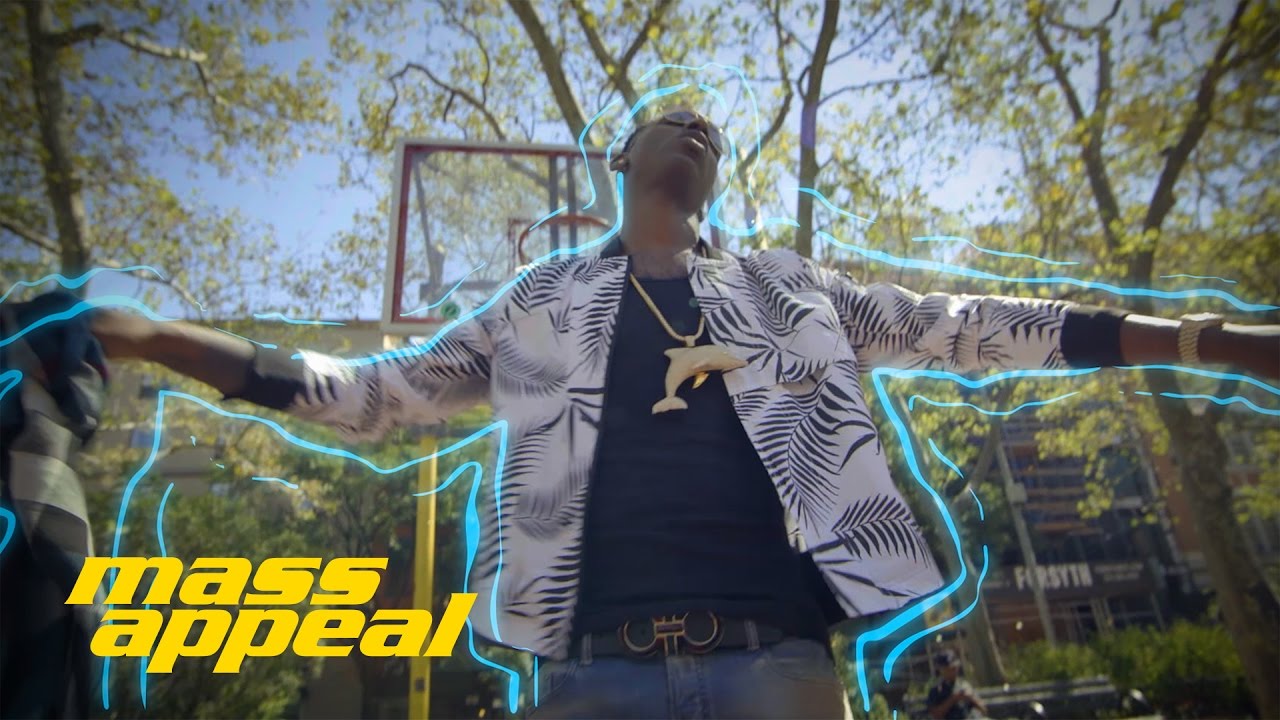
It’s easy to miss the dry wit here. Dolph delivers these lines with a shrug. He’s not screaming for your attention; he’s stating facts. He's a "straight trapper," and he’s not even trying to deny it. In fact, the music video—specifically the "Accidental" version that Mass Appeal released—features animations that highlight this literalism.
Why Rich Crack Baby Still Matters
Released in August 2016, Rich Crack Baby was a turning point. It wasn't his first project, but it was the one that really solidified his "King of Memphis" status. Think about the features: T.I., 21 Savage, Gucci Mane, and Boosie Badazz. This was Dolph stepping into the ring with the heavyweights and holding his own.
The production on "Trappa" by DJ Squeeky is essential. Squeeky is a Memphis legend. He’s one of the architects of that dark, heavy sound that defined the 90s underground. By tapping Squeeky, Dolph was paying homage to his roots while modernizing the sound for a global audience. It’s that blend of old-school Memphis "mashing" and new-age trap luxury.
A Different Kind of CEO
Most rappers talk about being a boss. Dolph actually lived it. He turned down millions from major labels to stay independent with Paper Route Empire. When you hear the Young Dolph Trappa lyrics, you're hearing the confidence of a man who owned his masters.
"Dolph runnin' shit, you can be the runner-up."
That wasn't just a bar; it was a business reality. He knew he was the underdog, and he loved it. He used his independence to move differently. While other artists were stuck in 360 deals, Dolph was buying real estate and Lamborghinis. He was a trapper in the literal sense, but he was also a trap-star in the sense that he figured out how to make the system work for him instead of the other way around.
The Misconception of the "Deny It" Subtitle
You might see the track listed as "Trappa (Deny It)" on some platforms. There’s a bit of a misconception there. It’s not about denying his lifestyle. It’s the opposite. He’s challenging anyone to try and find a lie in his rhymes.
He’s saying, "I can't deny it, I'm a straight trapper."
It’s an admission of guilt that feels like a victory lap. In a world where everyone is trying to be "politically correct" or hide their rough edges, Dolph leaned into them. He understood that authenticity is the only currency that doesn't devalue over time.
The Impact and the Next Steps
Dolph’s legacy is complicated by his tragic passing in 2021, but his music hasn't lost its edge. Tracks like "Trappa" serve as a blueprint for independent artists. They show that you don't need a massive marketing machine if you have a real story and a distinct voice.
If you’re looking to really understand the DNA of Southern hip-hop, you need to go beyond the surface level. Don't just listen to the beat. Listen to the pacing. Look at how he uses silence.
Actionable Insights for the Dolph Fan:
- Listen to the full Rich Crack Baby mixtape: Don't just cherry-pick "Trappa" and "Foreva." Listen to the project from start to finish to see how the narrative of independence is woven through every track.
- Research DJ Squeeky’s discography: If you like the beat for "Trappa," you owe it to yourself to hear the Memphis underground classics that paved the way.
- Support Paper Route Empire: The label continues to release music from Key Glock and other PRE artists. This is the best way to keep Dolph's "independent" spirit alive.
- Analyze the lyrics for business lessons: Beyond the "trapping," there are genuine lessons in Dolph’s bars about reinvestment, branding, and loyalty.
Young Dolph was more than just a rapper; he was a cultural fixture. His lyrics aren't just rhymes; they’re the documentation of a man who refused to be anything other than himself. Whether you're a fan of the genre or just a casual listener, there's no denying the impact of the "Trappa."
Next Steps for You: Compare the original music video for "Trappa" with the "Accidental" animated version. You'll notice how the animations emphasize the literal nature of his lyrics, which is key to understanding Dolph's unique style of storytelling.