The internet can be a dark place. Honestly, when a high-profile tragedy hits, there's always this morbid rush for "the truth," which often translates to people hunting for graphic images they probably shouldn't see. Lately, the search for the young dolph autopsy photo has spiked again, but not for the reasons you might think. It’s not just about a leaked image—it's about the heavy, messy reality of a murder trial that ripped through Memphis and the music industry.
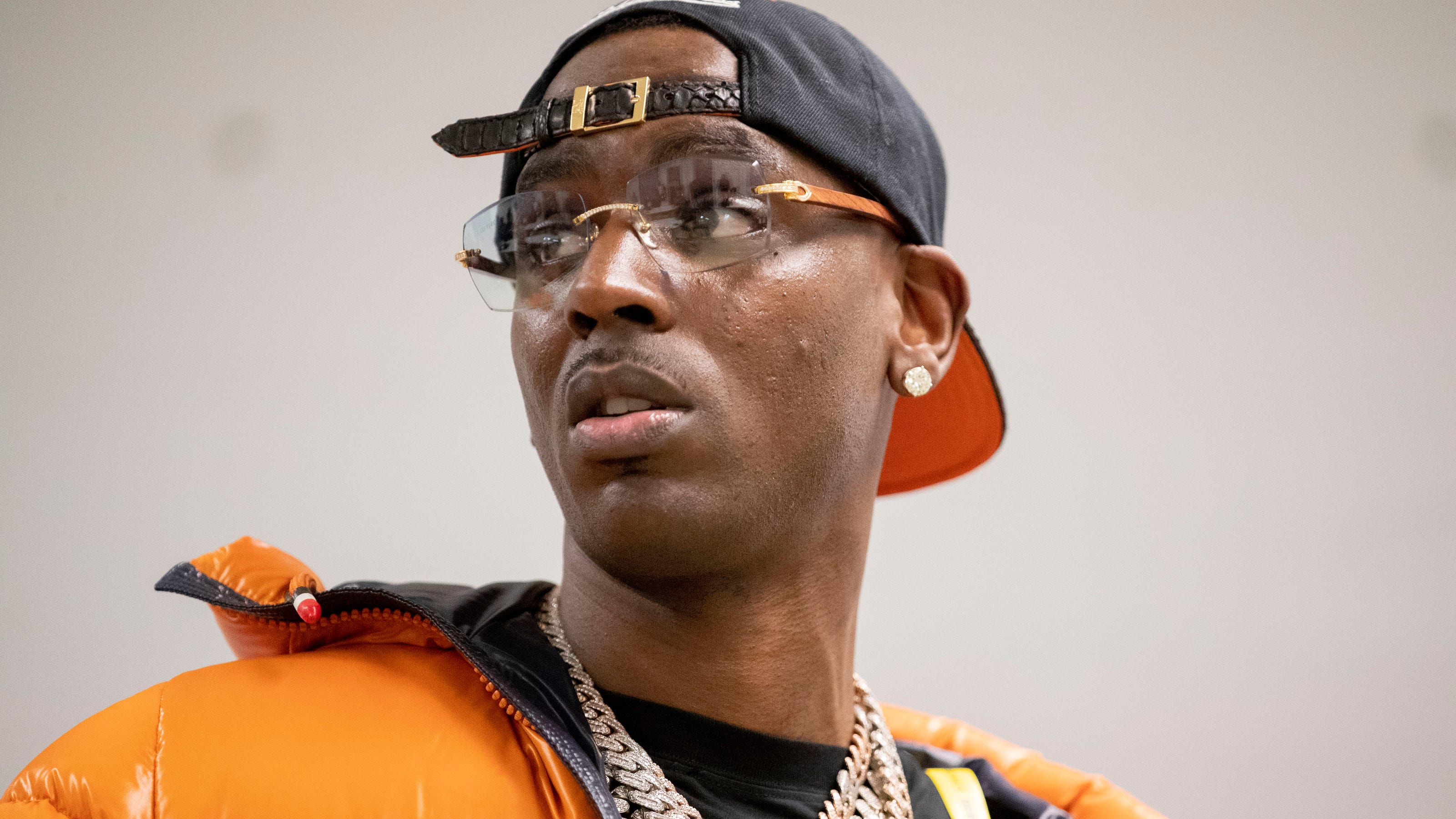
Adolph Thornton Jr., known to the world as Young Dolph, wasn't just another rapper. He was an independent powerhouse. When he was gunned down at Makeda’s Homemade Butter Cookies on November 17, 2021, it felt personal for the city.
People want to know what happened inside that shop. They want to see what the jury saw. But there's a massive difference between a "leak" and the grim evidence presented in a court of law.
The Reality of the Evidence
During the trial of Justin Johnson (also known as Straight Drop), the prosecution didn't hold back. They had to prove the sheer brutality of the hit. Medical examiner Dr. Juliette Scandlebury took the stand and basically walked the jury through the nightmare.
She described 22 separate gunshot wounds. Think about that number for a second. It's not just a statistic; it’s a testament to the intent behind the attack. The autopsy report, which is a public document in Tennessee (unlike the actual photos), details wounds to the head, neck, and torso.
When people search for a young dolph autopsy photo, what they are usually coming across are screenshots from the televised trial or "Law & Crime" clips where diagrams and specific evidence photos were displayed for the jury. In Tennessee, there are strict laws—specifically Tennessee Code § 38-7-119—that prevent the "unauthorized" release of actual autopsy images to the general public. Basically, unless you’re next of kin or part of the legal proceedings, you aren't supposed to have them.
Why the Photos Surfaced in Court
You’ve probably seen the headlines: "Justin Johnson Found Guilty." That didn't happen by accident. The prosecution used the medical evidence to corroborate the testimony of Cornelius Smith, the other shooter who turned state's evidence.
Smith sat there and admitted everything. He talked about the $100,000 hit allegedly put out by Anthony "Big Jook" Mims. To make that story stick, the DA had to show the jury the physical reality of the crime. They showed:
- The white Mercedes-Benz used in the getaway.
- The bullet fragments recovered from the scene.
- The trajectory of the shots that proved Dolph was ambushed from behind.
It’s heavy stuff. The "photo" people keep talking about isn't some grainy basement leak; it’s the clinical, cold reality of a forensic investigation used to put a killer behind bars for life.
The Ethics of the Search
Kinda weird how we consume tragedy, right? We live in an era where "True Crime" is a hobby. But for Dolph’s family, including his sister Carlissa Thornton, these aren't "viral moments." They are the last, most violent moments of a brother’s life.
Every time a young dolph autopsy photo gets shared on X (formerly Twitter) or Reddit, it forces the family to relive that November day. While the law allows for certain trial exhibits to be public, there is a clear line between seeking justice and seeking a thrill.
The trial revealed that the motive was rooted in a deep-seated rap feud between Paper Route Empire and CMG. It was about business, ego, and turf. The autopsy evidence was the final piece of the puzzle that proved this wasn't just a random robbery—it was a coordinated execution.
What Most People Get Wrong
There is a common misconception that the "leaked" photos show something the police missed. They don't.
Everything relevant to the case has been analyzed by experts. In 2024, Justin Johnson was sentenced to life in prison. In August 2025, Hernandez Govan—the man accused of being the middleman—was actually acquitted by a jury. If there was some "smoking gun" in the autopsy photos that changed the narrative, the defense would have used it.
The photos exist as part of a closed legal record. They aren't meant for TikTok edits.
Where the Case Stands Now
If you’re following the story, you know it’s not entirely over. While Johnson is serving his time, the fallout in Memphis continues. Big Jook was killed in early 2024. Cornelius Smith is still navigating his own legal fate after testifying.
The search for the young dolph autopsy photo usually leads people to a dead end or a malware-filled site promising "uncensored" content. It's better to focus on the actual trial records. The testimony of the medical examiner provides more than enough detail to understand the gravity of the crime without needing to see the graphic reality.
Actionable Steps for Following the Case
If you want to understand the forensic side of the Young Dolph case without falling into the trap of exploitative content, here is how you can stay informed:
- Watch the Trial Archives: Sources like Law & Crime or Court TV have the full testimony of the medical examiner. It’s educational and provides the context that a single photo never could.
- Read the Official Summary: Look for the Shelby County District Attorney’s statements following the Johnson conviction. They break down how the forensic evidence led to the guilty verdict.
- Support the Legacy: Instead of hunting for autopsy details, look into the Ida Mae Family Foundation. It’s the charity Dolph was in town to support when he was killed.
- Check Public Records: In Tennessee, the written autopsy report (the text, not the photos) is often accessible via public records requests if you’re a journalist or researcher. It provides the "what" without the "visual."
Understanding the "why" behind the young dolph autopsy photo helps shift the conversation from morbid curiosity to a respect for the legal process. The evidence served its purpose. It helped secure a conviction. Now, the focus remains on the music and the impact he left behind in Memphis.