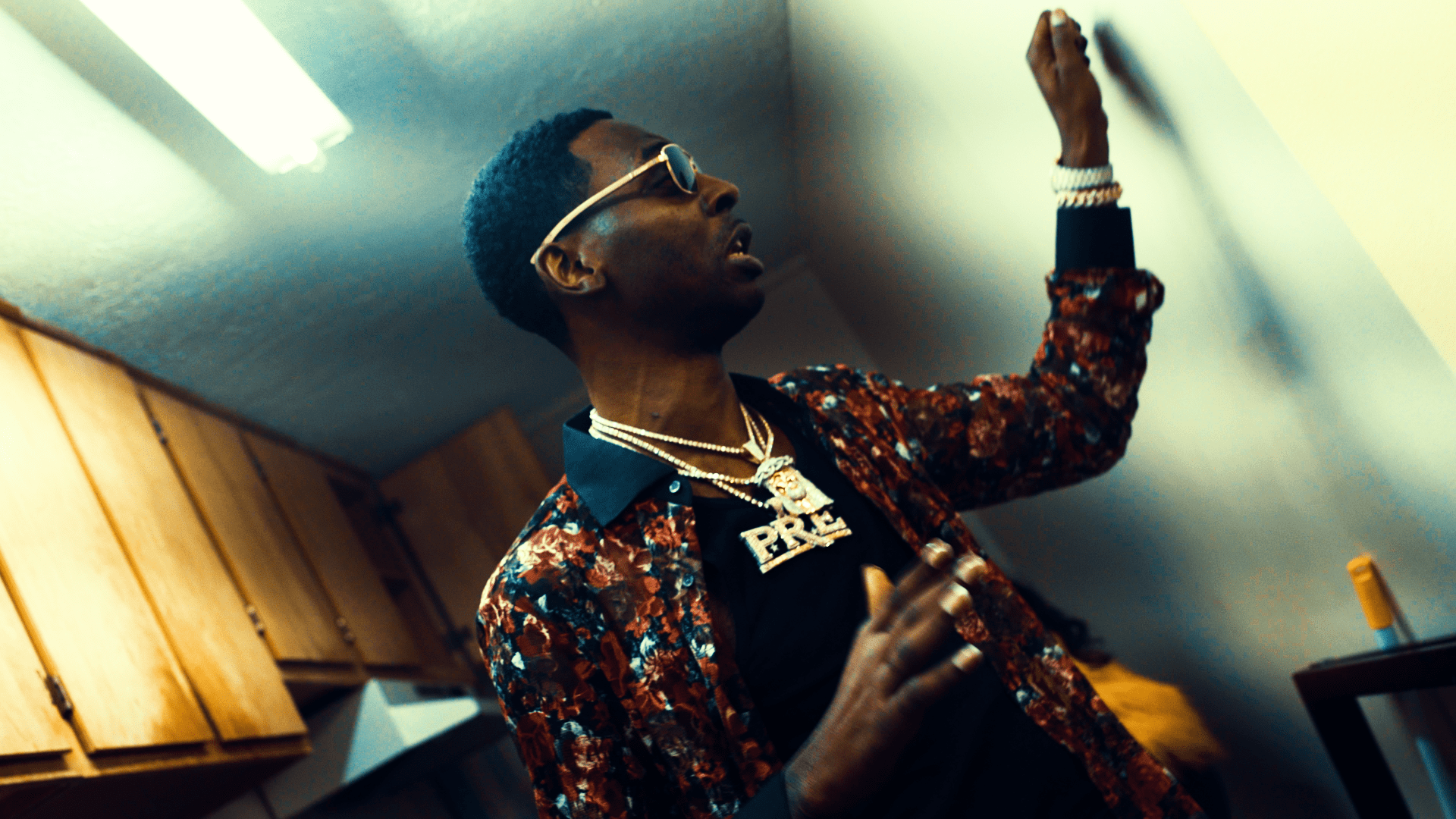
You can’t talk about Memphis rap without talking about the look of it. Young Dolph understood that better than almost anyone in the game. When you saw a Dolph project on your feed, you didn’t even have to read the title to know what time it was. The cars were louder, the jewelry was heavier, and the message was always "Paper Route."
Dolph’s visuals weren’t just about flexing; they were about a very specific type of independent defiance. Honestly, his covers felt like billboards for a business empire he built from the ground up. He wasn't just a rapper; he was a CEO who happened to be incredible on the mic. From the cartoonish antics of his joint tapes with Key Glock to the heavy social commentary on his final solo studio effort, the artwork told the story of a man who refused to be boxed in.
The Cultural Weight of the Young Dolph Album Covers
When Rich Slave dropped in 2020, it hit differently. The cover featured Dolph leaning against an orange 2018 Aventador S Roadster, but it wasn't just another "look at my car" moment. He was making a point about the ceiling that exists for Black men in America, even when they’re worth millions.
Dolph famously said, "It’s the reality of being Black in this country." You can have the $400,000 car and the independent label, but the world still looks at you through a specific lens. It’s heavy stuff for a trap album. He actually used that exact car for a giveaway, turning the visual from the cover into a real-life blessing for a fan. That’s just how he moved.
Why Role Model Changed the Narrative
In 2018, Dolph released Role Model. The cover is classic: Dolph in a drop-top, blowing smoke, with kids from the neighborhood looking on. It’s aspirational. He even pointed out on Instagram that he "used to be the lil dude in the red shirt" on the corner.
It was a full-circle moment.
He wanted to show that being a role model didn't mean you had to be a "square." To him, being a role model meant showing the next generation how to own their work. He had just turned down a $22 million contract to stay independent, and the Role Model artwork was basically a victory lap for that decision. It’s about the power of ownership.
The Graphic Evolution: From Memphis to Global Icon
If you look at the early stuff like King of Memphis, the vibe was pure street dominance. It was a bold claim to make in a city with so many legends, and the artwork reflected that "I’m here now" energy.
Then you get into the Dum and Dummer era with Key Glock. These covers were hilarious. Taking the Dumb and Dumber movie aesthetic and flipping it for two of the hardest rappers out of Tennessee was a genius marketing move. It showed they weren't taking themselves too seriously, even while they were outworking everyone else.
- Dum and Dummer (2019): Inspired by the classic Jim Carrey comedy. It highlighted the chemistry between Dolph and his protégé.
- Gelato: The re-release actually saw Dolph adding a face mask to the "Black Benjamin Franklin" on the cover during the pandemic. A small move, but it showed he was always tapped into the current moment.
- Thinking Out Loud: A more direct, stream-of-consciousness feel. No frills, just the man and his thoughts.
The Paper Route Empire Aesthetic
Dolph’s label, PRE, had a very specific "look." It was polished but gritty. He mentored guys like Jay Fizzle and Big Moochie Grape, and you can see his visual DNA in their covers too. It’s that high-end hustle aesthetic.
The Posthumous Legacy of Paper Route Frank
When Paper Route Frank came out after his passing, the cover felt like a final testament. It wasn't some rushed, cash-grab collection of throwaway tracks. It was cohesive. The artwork featured Dolph in his element—composed, wealthy, and undeniably Memphis.
Peezy, a long-time collaborator who worked on the record, mentioned that they wanted the project to sound—and look—like he never left. It’s bittersweet. You look at these covers now and they feel like chapters of a book that ended way too soon.
How to Appreciate the Art Today
If you're a fan or a collector, Dolph’s covers are a masterclass in branding. He didn't need a major label marketing team to tell him how to look. He knew his audience.
- Look for the symbolism: The orange Lambos aren't just cars; they’re symbols of the "Rich Slave" paradox.
- Study the "Role Model" transition: See how he went from the street-centric King of Memphis to the "independent mogul" look of his later years.
- Check the details: From the Gucci slippers to the specific jewelry pieces, Dolph used his covers to document his success in real-time.
Dolph’s visual legacy is about more than just being "hard." It’s about the dream of independence. Every time you see that PRE logo or a shot of him in a camo-wrapped car, you're seeing a man who did it his own way.
To truly understand the impact, go back and look at the Role Model cover. Look at the kids in the background. That was the whole point. He wanted to be the blueprint.
Next Steps for Fans and Collectors
Start by revisiting the Rich Slave and Role Model covers to see the contrast between his social commentary and his hustle-first mentality. If you’re into the design side, look up the work of the Paper Route Empire creative team to see how they maintained such a consistent "independent" look across dozens of projects. You can also find high-quality prints of these covers that have become staple pieces of modern hip-hop memorabilia.