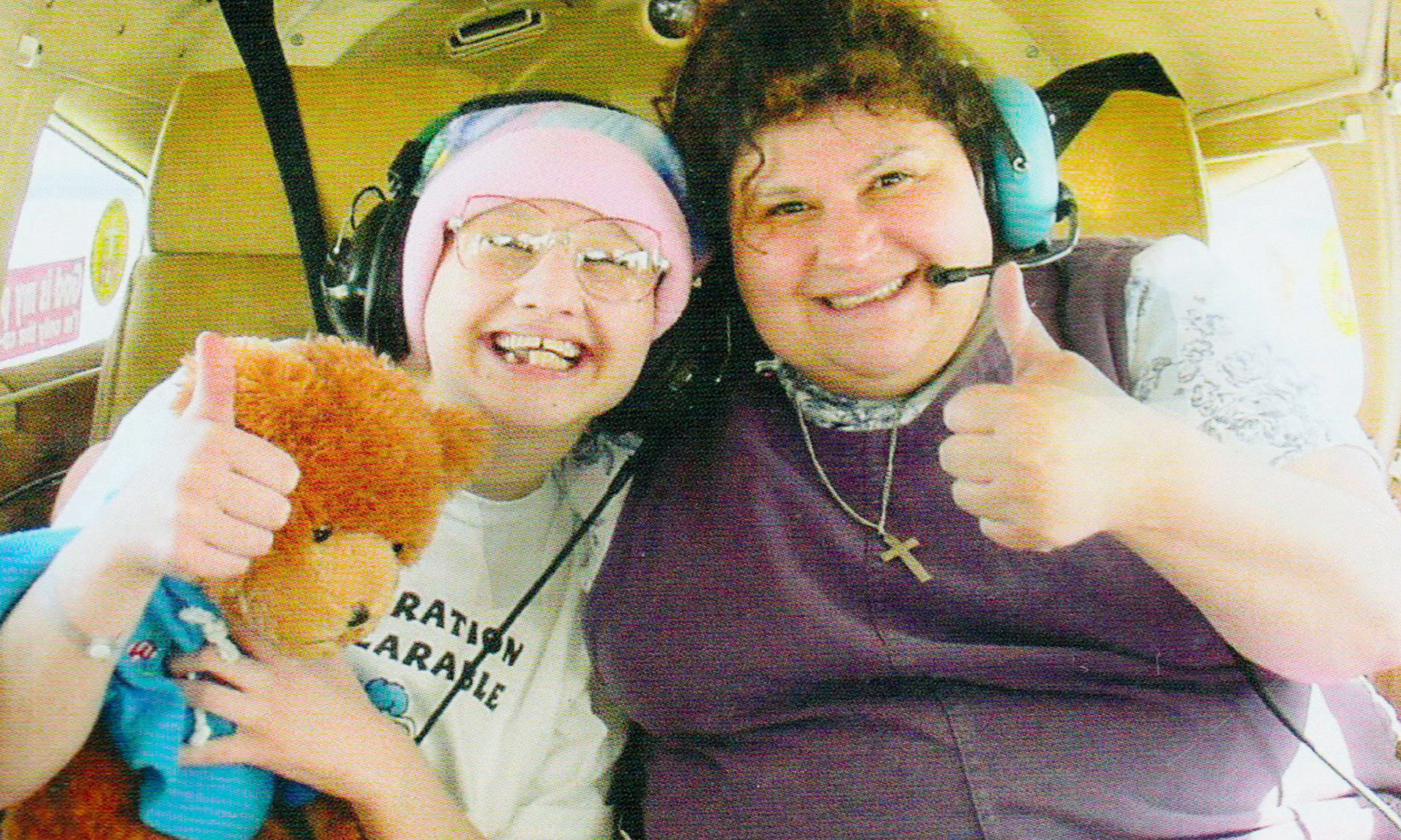
Everyone knows the ending. The pink house in Springfield, the "Bitch is Dead" Facebook post, and the shocking revelation that Gypsy Rose Blanchard could actually walk. But if you want to understand how a mother becomes a monster, you have to look further back. You have to look at young Dee Dee Blanchard long before she was a true crime staple.
Honestly, the story starts in the bayous of Louisiana.
Clauddine "Dee Dee" Pitre was born in 1967 in Chackbay, a tiny spot near the Gulf Coast. Her family was big—French Canadian roots, classic Cajun country vibes. But don't let the sleepy setting fool you. People who knew her back then describe a woman who was already "off." She wasn't just a doting mom who lost her way. She was a woman with a history of manipulation that started in her own parents' kitchen.
The Early Crimes of Clauddine Pitre
Before there was a Gypsy Rose, there was just Clauddine. And Clauddine had a thing for control.
Family members, including her own nephew Bobby Pitre, have gone on record saying she was "into witchcraft" and used things like Ouija boards to freak people out. Kinda weird, right? But the really dark stuff involved her stepmother, Laura.
Imagine being bedridden for nine months because your stepdaughter is feeding you Roundup weed killer.
That’s what the family alleges. They say young Dee Dee Blanchard began poisoning Laura’s food, causing her to waste away. When the Pitres started connecting the dots and getting suspicious, Dee Dee didn't stick around to explain. She just grabbed her things and vanished. This became her lifelong pattern: do something terrible, get caught, and run to a new town where no one knows your name.
She was also a petty thief. She was arrested for writing bad checks and credit card fraud. She even opened cards in her own father's name. Basically, she lived her life as a series of short-term cons.
Young Dee Dee Blanchard and the Birth of a Lie
In 1990, Dee Dee met Rod Blanchard. She was 23; he was 17.
They met at a bowling alley bar. By the time Gypsy was born in July 1991, they were already split. Rod says he realized he got married for the "wrong reasons." He wasn't wrong. Almost immediately after Gypsy arrived, the medical theater began.
By the time Gypsy was three months old, Dee Dee was already dragging her to the ER for sleep apnea. Doctors found nothing. Not a single thing. But Dee Dee didn't care about the data. She was convinced—or she wanted everyone else to be convinced—that her daughter was broken.
She told Rod their daughter had a "chromosomal disorder." She told neighbors she had muscular dystrophy. She even used her experience as a nurse’s aide to talk the talk.
Because she knew the medical lingo, she could bypass the "wait and see" approach most parents take. She knew exactly what to say to get a prescription or a test. If a doctor got too smart and started asking for records, she’d just move. New city, new doctor, new "terminal" illness.
The Louisiana Years: Shifting Shadows
A lot of people think the abuse started in Missouri after Hurricane Katrina. It didn't.
When they lived in Slidell, Louisiana, Dee Dee was already the "selfless" mother archetype. She got Gypsy crowned "Queen of the Day" at a local Mardi Gras parade. She was essentially a professional victim. They lived in public housing and survived on child support and government checks.
The community in Slidell gave them everything. They were church-going "survivors." But behind the scenes, the family was onto her. They saw Gypsy walking. They saw the weird dynamic.
When Dee Dee’s mother, Emma, died in 1997, things got even weirder. Some family members actually believe Dee Dee starved her own mother to death. That's a heavy accusation, but in the context of what happened later, it doesn't sound quite so impossible. The family eventually confronted her about her treatment of Gypsy, and what did Dee Dee do?
She left. She moved them to a shelter during Katrina and told everyone their medical records were "washed away" in the flood.
That was her ultimate reset button.
The Making of a Professional Caretaker
In the 2000s, Dee Dee perfected the act. She realized that a sick child was a ticket to a life she didn't have to work for.
She began shaving Gypsy's head. She told her it was because her hair would fall out anyway from the meds. She forced her into a wheelchair she didn't need. She even had her salivary glands removed because she convinced doctors Gypsy drooled too much.
It's actually nauseating when you realize how much of this was deliberate.
The transition from young Dee Dee Blanchard to the infamous "Clauddinnea" we saw on the news was seamless because she had been practicing for decades. She wasn't just a "helicopter parent" who went too far. She was a calculated predator who used her own child as a prop for sympathy and cash.
She even lied about her own name. She started going by "Clauddinnea" to further distance herself from her criminal record back home.
Why the System Failed
You've gotta wonder how she got away with it for 20 years.
Honestly? It's because we want to believe mothers. Doctors are trained to listen to the "history" provided by the caregiver. When Dee Dee said Gypsy had a seizure at 2 AM, the doctor wrote it down. When she said Gypsy couldn't eat, they put in a feeding tube.
One neurologist in 2005 actually suspected Munchausen syndrome by proxy. He wrote it in his notes. But he never reported it. Why? Because Dee Dee was charming. She was the "sweet Southern lady" who was doing everything for her poor, sick daughter.
People didn't want to believe a mother could be that cruel.
Moving Forward: Lessons from the Blanchard Case
Looking back at the life of young Dee Dee Blanchard, there are some pretty clear red flags that we can't ignore in the future.
First, look for the "medical nomad" behavior. If someone is constantly switching doctors and claiming they lost all their records in a fire, a flood, or a move, that's a massive warning sign. Modern electronic records make this harder, but back then, it was easy to slip through the cracks.
Second, pay attention to the "miracle" stories. If a child has twenty different rare diseases that don't seem to have a common cause, it’s worth a second look.
If you want to stay informed or help prevent this kind of medical child abuse, here’s what you can actually do:
- Learn the signs of Factitious Disorder Imposed on Another (FDIA). It’s not just "faking it." It's a complex psychological disorder where the abuser seeks the "sick role" by proxy.
- Support legislation for unified medical records. The biggest reason Dee Dee survived so long was the lack of communication between hospitals.
- Trust your gut. If you see a "disabled" child who seems perfectly fine when the parent isn't looking, report it to Child Protective Services. It's better to be wrong than to let a child be medically tortured for two decades.
Dee Dee Blanchard’s story didn't start with a knife in Springfield. It started with a bottle of Roundup and a web of lies in a small Louisiana town.
Next Steps for Deepening Your Knowledge:
To better understand the complexities of this case and the psychology behind medical abuse, consider these specific resources:
- Read the 2016 BuzzFeed investigative report by Michelle Dean titled "Dee Dee Wanted Her Daughter To Be Sick, Gypsy Wanted Her Mom Murdered." It remains the definitive source for the family history and early Louisiana red flags.
- Watch the HBO documentary Mommy Dead and Dearest. It features actual home videos from Gypsy's childhood and interviews with the Louisiana family members who witnessed Dee Dee’s early behavior.
- Research the "Oley Foundation" controversy. Look into how organizations for feeding-tube recipients were manipulated by Dee Dee, which serves as a case study in how "professional victims" operate within charitable spaces.
By studying the early patterns of this case, we can better identify the small, quiet signs of medical abuse before they escalate into a national tragedy.