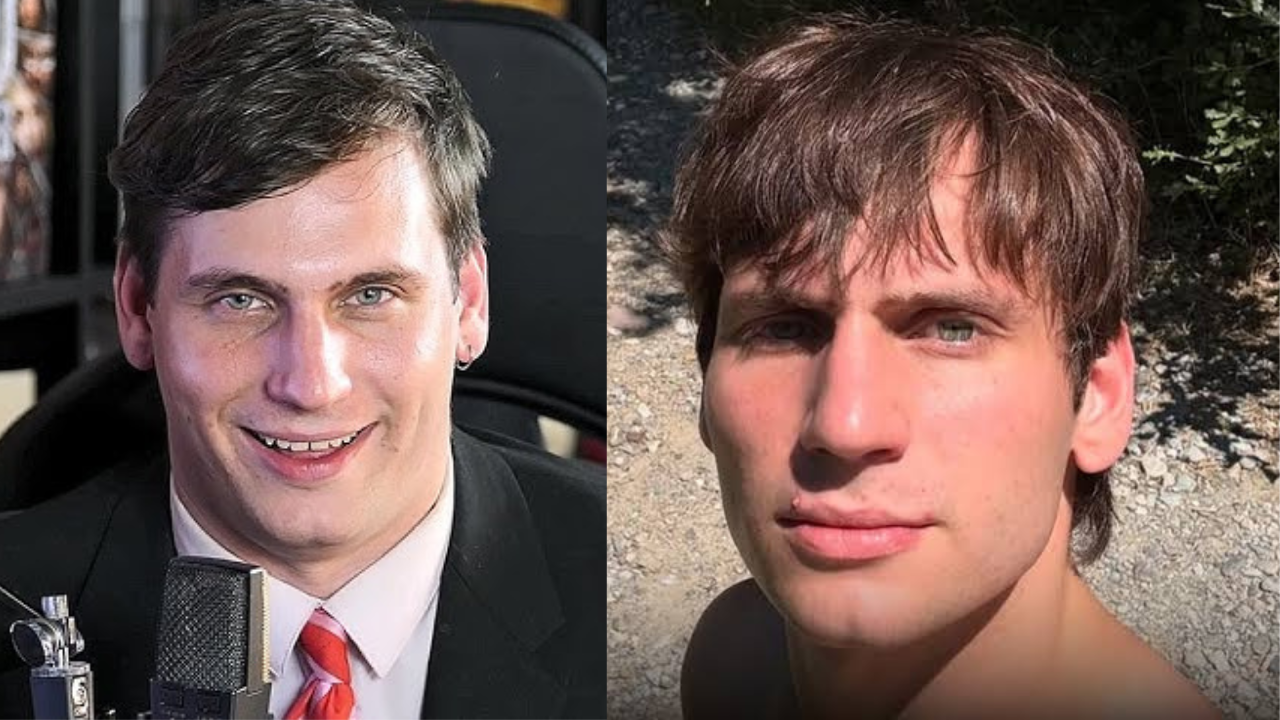
Before he was the guy with sixteen Grammys and a penthouse view of the music industry, David Foster was just a teenager from Victoria, British Columbia, who happened to have perfect pitch and a very loud ambition. People usually think of him as the "Hitman" who polished Celine Dion and Whitney Houston to a mirror shine in the nineties. But if you look at the early years, the picture is a lot grittier. It wasn't all private jets and pristine grand pianos.
Honestly, it started with a dusting accident. For an alternative perspective, see: this related article.
When he was four, his mother, Eleanor, was cleaning the family piano. She hit a key. Without looking, David called out, "That's an E!" His parents realized then that their son didn't just hear music; he decoded it. By thirteen, he was enrolled in the University of Washington’s music program. By sixteen, he had dropped out of high school to go on the road with rock-and-roll pioneer Chuck Berry.
Can you imagine that? A teenager from a quiet Canadian town suddenly backing up one of the most volatile legends in music history. It was a trial by fire. He wasn't "Maestro" yet. He was just a kid trying to keep up with a guy who didn't use setlists and expected his band to know every song in the key of B-flat at a moment's notice. Further reporting on this matter has been provided by GQ.
The Skylark Gamble and the Song That Almost Wasn't
Most people forget that David Foster’s first real taste of the charts came from a band called Skylark. He formed it in the early seventies with his then-wife, B.J. Cook. They moved to Los Angeles in 1971, basically on a wing and a prayer, looking for a break.
The break came from a poem.
A rookie cop in Victoria named Dave Richardson wrote a poem for his girlfriend. He gave it to Foster, who handed it to guitarist Doug Edwards. That poem became "Wildflower." It's one of the most sampled songs in history—Drake, Kanye, and Tupac have all touched it—but at the time, Capitol Records hated it. They released two other singles first. They both tanked. It took a legendary radio programmer named Rosalie Trombley at CKLW in Windsor to start spinning "Wildflower" before the label realized they had a Top 10 hit on their hands.
But here is the thing: Skylark didn't last. The band broke up by 1975. Most of the members packed their bags and headed back to Canada, but Foster stayed. He was young, hungry, and remarkably positive. He didn't want to be a big fish in a small pond anymore. He wanted to be in the room where it happened.
Playing for Rent in the Orchestra Pit
If you were at The Roxy Theatre in West Hollywood in the mid-seventies, you might have seen a young David Foster—not on stage, but in the pit. He spent a year playing keyboards for the original L.A. production of The Rocky Horror Picture Show.
It was a grind.
But it was also a networking goldmine. Producers would come to the show, hear the keyboardist crushing the difficult arrangements, and start asking, "Who is that kid?"
That work led to session gigs. And we aren't talking about local demos. We are talking about playing for George Harrison, John Lennon, and Barbra Streisand. He became a "first-call" session guy. This is where he learned the architecture of a hit. He wasn't just playing notes; he was watching how the best in the business built a record from the ground up.
The Quincy Jones Intervention
Success wasn't an overnight thing, though. Foster actually produced an album for the Average White Band called Shine. He told his mentor, the legendary Quincy Jones, that the album was "okay, but not great."
Quincy’s response changed Foster’s life forever.
He basically told him: "Your name is on that. If it's not the best work you can do, don't put your name on it."
That shifted something in David. He became the perfectionist we know today. He realized that as a producer, you aren't just a guy behind a desk; you are the guardian of the artist's legacy. He started demanding more. More from the singers, more from the songwriters, and most of all, more from himself.
Writing the Soundtrack of the Late Seventies
By 1979, the "young David Foster" was starting to evolve into the powerhouse producer. He co-wrote "After the Love Has Gone" for Earth, Wind & Fire. It was a masterpiece of sophisticated R&B, full of those complex chord changes that would become his signature.
He won his first Grammy for that song.
He also co-wrote "Got to Be Real" for Cheryl Lynn. Think about that range. From a heartbreak ballad to one of the most iconic disco-funk tracks ever made. He was proving he could do anything.
He even formed a short-lived "supergroup" called Airplay with Jay Graydon. If you're a "Yacht Rock" aficionado, that 1980 Airplay album is basically the Bible. It’s dense, technical, and perfectly polished. It didn't sell millions of copies at the time, but it became the blueprint for the "West Coast Sound" that dominated the early eighties.
Why the Early Years Still Matter
If you want to understand why David Foster is so successful, you have to look at those years between 1971 and 1980. He wasn't born a mogul. He was a session musician who slept on floors and played in theater pits.
He learned three things during that decade:
- The Song is King: You can have the best singer in the world, but without a hook like "Wildflower," you're nowhere.
- Precision is Personal: If it’s 95% good, it’s 100% wrong.
- Relationships are Everything: He didn't get to work with the Beatles by being mediocre; he got there by being the most reliable, talented person in the room.
If you are looking to replicate even a fraction of that success in any creative field, the takeaway is pretty simple: don't be afraid of the "pit" years. Use them to learn the mechanics of your craft so that when your "Wildflower" moment happens, you're ready to stay in the room.
Next Steps for Music Enthusiasts:
- Listen to the original 1973 version of "Wildflower" by Skylark to hear the foundational Foster sound.
- Compare it to the Earth, Wind & Fire tracks he worked on just six years later to see his evolution in arrangement.
- Check out the Airplay (1980) album if you want to hear the peak of his session-musician technicality.