If you grew up in the late 90s, you remember the gold tanks. You remember the pen-and-pixel covers that looked like a fever dream of diamonds and luxury cars. Most of all, you remember the sound—that distorted, bass-heavy bounce coming out of New Orleans. But if you listen closely to the Young Bleed No Limit Records era, something was different. He wasn't just another soldier in the tank. He was a Baton Rouge poet who somehow ended up in the middle of a No Limit whirlwind, and honestly, his story is one of the most unique "what ifs" in Southern hip-hop history.
Most people think of him as a core member of the No Limit crew. You've seen him in the videos. You've heard the iconic "How Ya Do Dat" remix. But the reality is a lot more complicated than a simple signing.
The Baton Rouge Connection and the "How Ya Do Dat" Explosion
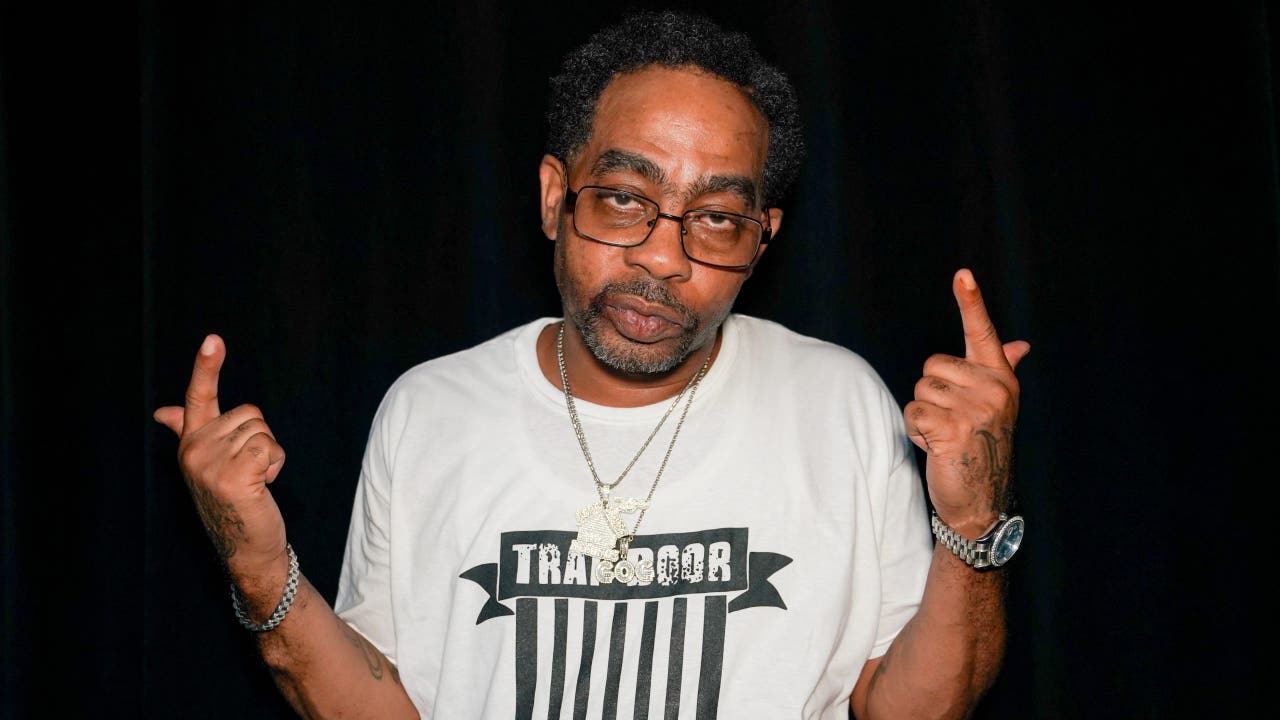
Young Bleed, born Glenn Clifton Jr., didn't actually start with Master P. He was a local hero in Baton Rouge long before the world knew his name. He was a member of the legendary Concentration Camp collective, working with guys like C-Loc and Happy Perez. This is a crucial distinction. While New Orleans was getting all the shine, Baton Rouge was brewing a grittier, more melodic style of street music.
Basically, Master P heard the original version of "How Ya Do Dat" and knew he had a hit. He didn't just play it; he remixed it and threw it on the I'm Bout It soundtrack in 1997. That one song changed everything. It became the anthem for the entire label’s transition from regional indie power to global juggernaut.
People often forget that Young Bleed wasn't strictly a "No Limit artist" in the way someone like Fiend or Silkk the Shocker was. His deal was a complicated joint venture involving Master P, C-Loc, and Priority Records. Because of this, he always felt like an outsider looking in, even when his face was on the posters.
Why Young Bleed No Limit Records Collaborations Defined an Era
When his debut album, All I Have in This World, Are... My Balls and My Word, dropped in January 1998, it was a massive success. It hit #10 on the Billboard 200. It went Gold. If you go back and listen to it now, the production by Happy Perez—the man who would later produce "Suga Suga" for Baby Bash—sounds light-years ahead of the typical "Beats by the Pound" sound of that time.
The album felt like a bridge. It had that No Limit energy, but Young Bleed’s voice was different. He was laid-back. He was a storyteller. While others were screaming about being "Bout It," Bleed was painting vivid, sometimes painful pictures of life in the Boot.
The Success Was Massive, But the Tension Was Real
Honestly, it’s kinda weird how fast things shifted. Despite the Gold plaques and the chart success, Bleed’s time at the top of the No Limit hierarchy was short-lived. By the time his second album, My Own, came out in 1999, he was already moving away from the Tank.
There has always been talk about why he didn't stay. Some say it was the business side—deals not being right or the "compilation" feel of his debut album, where Master P appeared on almost every track. In interviews later in his life, Bleed was always professional, but he hinted at the fact that he was promised things—tours, support, longevity—that didn't quite materialize as the No Limit machine started to pivot toward movies and basketball.
What Most People Get Wrong About His Legacy
A common misconception is that Young Bleed fell off after No Limit. That’s just not true. He became a king of the independent circuit. He eventually signed with Tech N9ne’s Strange Music in 2011, releasing Preserved, which showed he hadn't lost a step. He was a rapper's rapper.
He represented Baton Rouge before Lil Boosie or Kevin Gates ever touched a mic. In fact, he collaborated with Boosie early on, acting as a bridge between the generations of Louisiana rap.
The tragic passing of Young Bleed on November 1, 2025, at the age of 51, hit the hip-hop community hard. He had just performed at the No Limit vs. Cash Money Verzuz event in Las Vegas, a moment that felt like a long-overdue victory lap. To lose him to a brain aneurysm just days after that performance felt like a cruel twist of fate.
How to Appreciate the Young Bleed Catalog Today
If you’re just getting into his music or looking to revisit the classics, don’t just stick to the hits. You have to understand the nuances of his style.
- Check the production credits: Notice the difference between the Happy Perez tracks and the Beats by the Pound tracks. It’s a masterclass in Southern sonic evolution.
- Listen to the lyrics: He wasn't just a "gangsta rapper." He used poetry—something his mother encouraged—to describe the struggle.
- The Strange Music Era: His work on Preserved is some of the best lyricism of his career. It’s more mature, more refined.
Actionable Steps for the True Fan
If you want to honor the legacy of Young Bleed No Limit Records history, do more than just stream "How Ya Do Dat."
- Go back to the Concentration Camp days: Find the early Baton Rouge tapes. This is where the "Boot" sound was truly born.
- Support his family’s efforts: His son, Ty’Gee Clifton, has been vocal about keeping his father's memory alive through unreleased music and documentaries. Following these official channels ensures the family sees the support.
- Look for the "Ghost Rider" track: It’s often cited by purists as his best solo performance, showing what he could do when he wasn't sharing the mic with three other people.
Young Bleed was the soul of the Southern movement that many people overlook because they were blinded by the shine of the No Limit tanks. He was the quiet poet in a loud room, and his influence still rings out through every Baton Rouge artist currently on the charts.