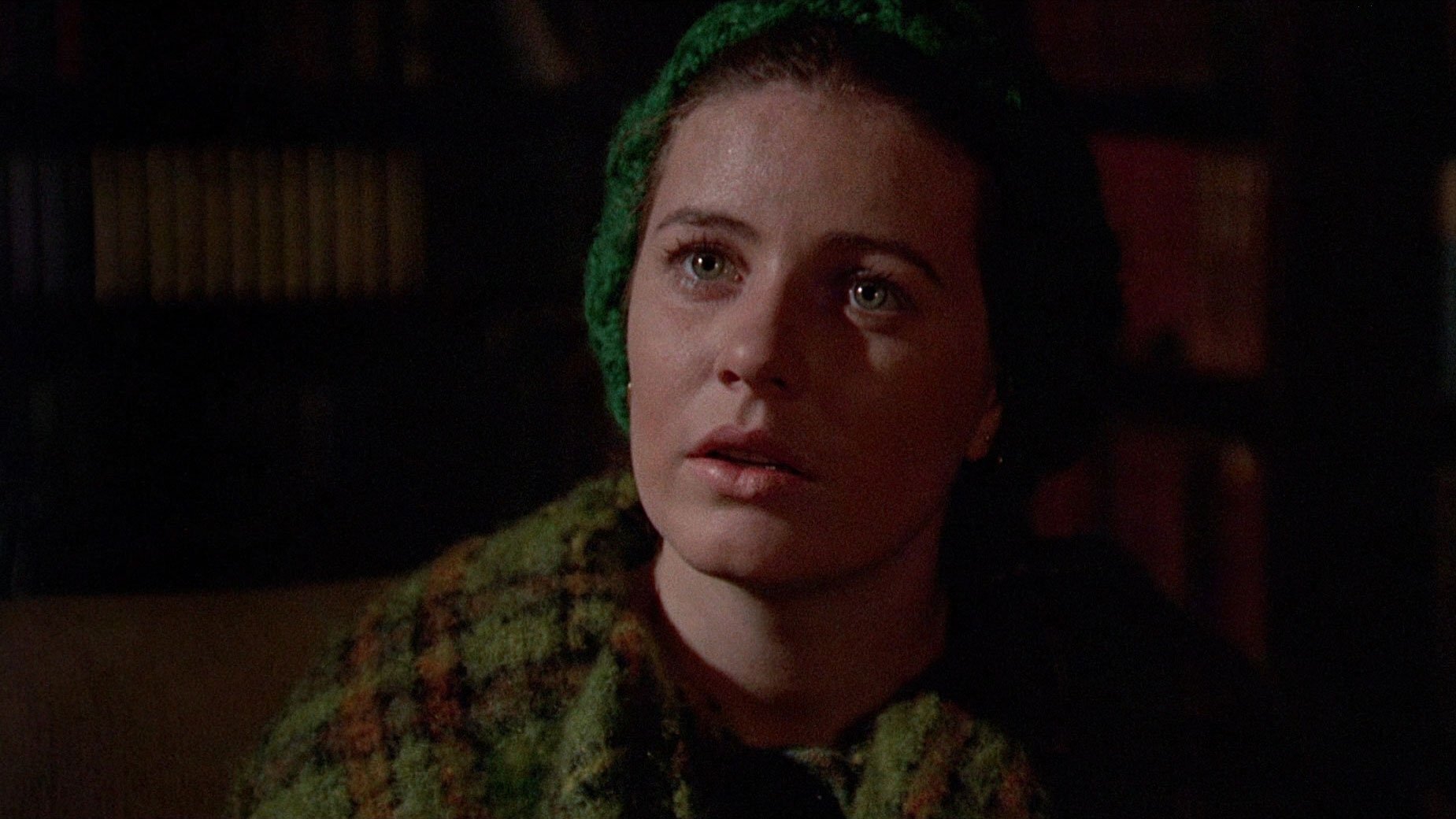
It is snowy. It is claustrophobic. And honestly, it is one of the most unsettling things Patty Duke ever did. If you haven't seen the 1972 psychological thriller You'll Like My Mother, you are missing out on a masterclass in low-budget tension. Most people remember Duke for The Miracle Worker or her bubbly sitcom persona, but here? She is Francesca, a pregnant widow traveling to Minnesota to meet her late husband’s mother for the first time. It sounds like a cozy, if awkward, family drama. It isn't.
Bad weather.
That is the catalyst. A massive blizzard traps Francesca in a looming, gothic mansion with a mother-in-law, Mrs. Kinsolving (played with chilling ice by Rosemary Murphy), who clearly does not want her there. There is something fundamentally wrong with the house. There is something even more wrong with the family history. It is a slow burn that eventually catches fire.
The Setup That Works Too Well
Francesca is vulnerable. Her husband was killed in Vietnam. She is very pregnant. She arrives at this desolate estate expecting a modicum of grief-fueled bonding, only to be met with a woman who is essentially a human glacier. Mrs. Kinsolving is cold. She’s dismissive. She tells Francesca, "You'll like my mother," referring to her own mother, but the irony of the title drips through every scene as the "mother" figure we actually deal with becomes increasingly predatory.
The film was shot on location at the Glensheen Historic Estate in Duluth, Minnesota. You can feel the cold. The house isn't just a set; it’s a character that feels like it’s inhaling the characters. Unlike the technicolor slashers that would follow later in the decade, You'll Like My Mother relies on the sheer terror of being stuck with people who hate you in a place you can't leave.
Why Rosemary Murphy Is the MVP
Rosemary Murphy doesn't get enough credit for this performance. She plays Mrs. Kinsolving with a terrifying lack of empathy. It’s not "movie villain" evil—it’s "disappointed, high-society matriarch who might also be a murderer" evil. She treats the arrival of her grandson-to-be as a nuisance to be scrubbed away.
Then there's Sian Barbara Allen as Kathleen, the "slow" sister. Her performance earned her a Golden Globe nomination, and for good reason. She provides the only flicker of humanity in the house, even if that humanity is wrapped in trauma and fear. The dynamic between the three women—the widow, the tyrant, and the captive daughter—creates a pressure cooker.
The Twist and the Tension
I won't spoil every beat because the discovery is half the fun, but the movie shifts gears when Francesca realizes she isn't just an unwanted guest. She’s a witness. The plot introduces Richard Thomas—yes, "John-Boy" Walton himself—as a character named Kenny. If you only know him as the wholesome face of 1970s television, this role will shock you. He is terrifying. He brings a jagged, unpredictable energy to the second half of the film that turns a psychological drama into a flat-out survival horror.
The pacing is deliberate. It doesn't rush.
Director Lamont Johnson understood that the fear of the "other" inside the home is more potent than a monster in the woods. When Francesca starts poking around the attic and discovers the lies the Kinsolving family has been telling, the movie stops being about a bad visit and starts being about a fight for two lives—hers and her unborn baby's.
Production Secrets and Historical Context
Universal Pictures didn't throw a massive budget at this. They didn't need to. By 1972, the "Old Dark House" trope was tired, but You'll Like My Mother refreshed it by grounding the stakes in real-world anxieties: pregnancy, widowhood, and the isolation of the American Midwest.
The Glensheen Mansion, where they filmed, actually has its own dark history—though the infamous real-life murders there didn't happen until 1977, five years after the movie was released. It’s a strange, macabre coincidence that the site of a fictional thriller became the site of a real-life tragedy. Fans of the film often visit the estate today, and you can still see the rooms where Patty Duke’s character hid in terror.
The cinematography by Jack A. Marta is understated. He uses the natural light of the snowy windows to create a pale, sickly atmosphere. It’s gray. It’s blue. It looks like a bruise.
What Most People Get Wrong
People often lump this in with "Hagsploitation" films like What Ever Happened to Baby Jane?. That’s a mistake. While it features an older woman as an antagonist, it lacks the campiness of those films. This isn't a "grand guignol" spectacle. It is a taut, realistic thriller. Mrs. Kinsolving isn't wearing caked-on makeup or screaming at the rafters; she is whispering threats while pouring tea. That is much scarier.
Another misconception is that the film is "dated." Sure, the hair is very 70s, and the pacing is slower than a modern Blumhouse flick. But the core fear—being trapped with a psychopath while you are physically unable to defend yourself—is timeless. It taps into the same primal anxiety as Rosemary's Baby or Misery.
How to Watch It Today
For a long time, this was a "lost" gem, something you’d only catch on a late-night TCM broadcast or a grainy VHS. Fortunately, Shout! Factory released a Blu-ray a few years back through their Scream Factory line. The transfer is crisp, which is vital because so much of the movie's mood depends on the textures of the mansion—the wood grain, the heavy drapes, the falling snow outside the glass.
If you are a fan of 70s cinema, Patty Duke’s performance here is essential viewing. It’s a pivot point in her career where she proved she could carry a heavy, adult thriller without the support of a massive ensemble.
Actionable Insights for Thriller Fans
If you're planning to dive into You'll Like My Mother, here is how to get the most out of the experience:
- Watch for the Sound Design: Pay attention to the silence. The film uses the absence of noise to build dread. The wind outside is often the only soundtrack, making the creaks of the house feel deafening.
- Double Feature It: Pair this with Wait Until Dark (1967). Both films feature a physically vulnerable protagonist (blindness in one, late-stage pregnancy in the other) trapped in a confined space with a predator. It's a fascinating look at how filmmakers use physical limitations to heighten suspense.
- Research the Location: After watching, look up the history of the Glensheen Estate. The architectural layout of the house is almost identical to what you see on screen, and knowing it's a real place makes the claustrophobia feel much more tangible.
- Look for the Subtle Clues: On a second watch, notice how Mrs. Kinsolving reacts every time Francesca mentions her husband. The performance is full of tiny "tells" that hint at the truth long before the big reveal.
- Check the Supporting Cast: Keep an eye out for Sian Barbara Allen. Her career didn't explode the way it should have, but her work here is a blueprint for playing "vulnerable but resilient" characters in horror.
This isn't just a "movie of the week" from a bygone era. It is a sharp, mean, and deeply effective piece of filmmaking that proves you don't need a high body count to keep an audience on the edge of their seat. You just need a cold room, a locked door, and a mother-in-law from hell.