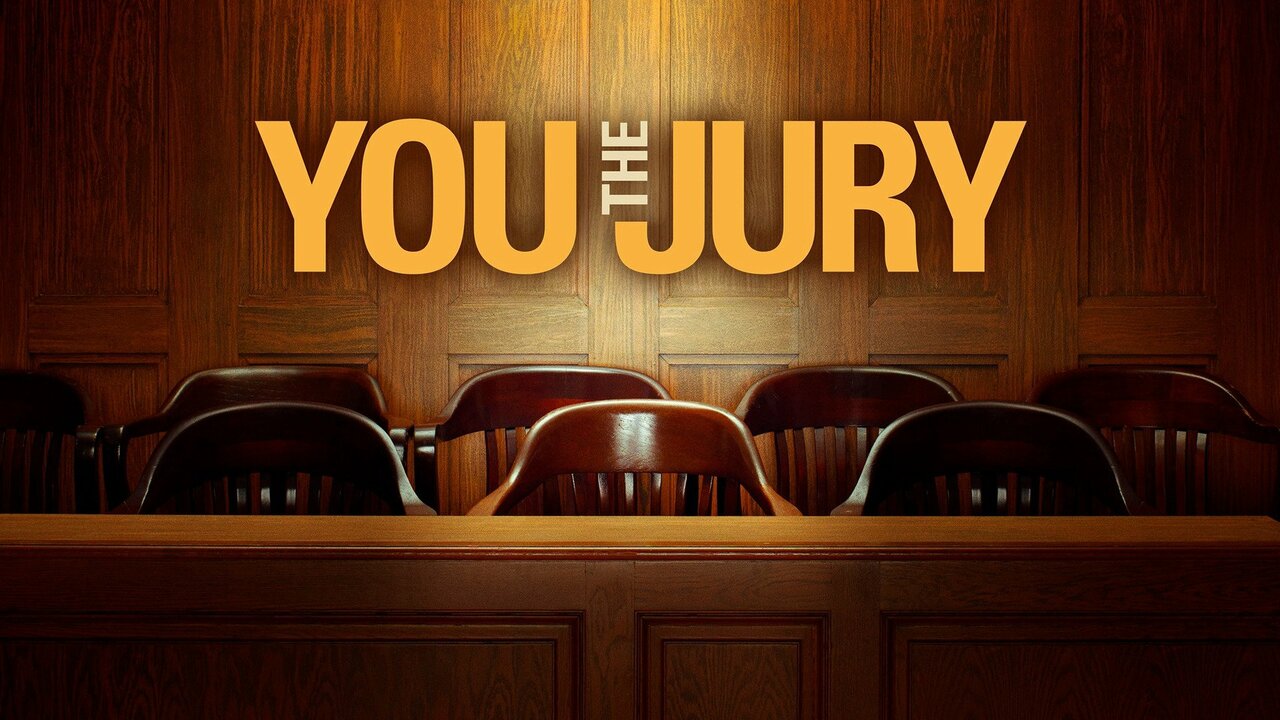
Television is littered with failed experiments, but few felt quite as ambitious—or as strangely timed—as the You the Jury TV show. It wasn't just another courtroom drama. It wasn't Judge Judy. It tried to bridge the gap between real-life legal stakes and the "press-a-button" interactivity of American Idol. Honestly, it was a weird mix. You had a high-stakes civil trial, real attorneys, a real judge, and then millions of people at home voting on their smartphones to decide who won.
The show premiered on Fox in 2017. If you don't remember it, you aren't alone. It lasted about two weeks before the network pulled the plug. But the concept? That's still worth talking about. It tapped into this specific cultural hunger for "true justice" while simultaneously treating the legal system like a reality competition. Looking back, it’s a fascinating case study in what happens when the "wisdom of the crowd" meets the complexity of the law.
Why the You the Jury TV Show Failed So Fast
Most people think shows get canceled because they’re bad. Sometimes they get canceled because they’re just too expensive or nobody can figure out who they’re for. You the Jury suffered from all of the above. Jeanine Pirro hosted it, which already gave it a very specific political and cultural "flavor" that likely polarized the audience before the first gavel even hit.
The ratings were a disaster. We're talking a 0.5 rating in the key 18-49 demographic. That’s essentially the sound of a TV station's lights humming in an empty room. Fox had high hopes for the interactive element. They wanted people to engage with the "You the Jury" app in real-time. But here is the thing: legal cases are dense. They require nuance. Trying to cram a complex civil suit into a one-hour broadcast window while asking people to vote on their phones felt rushed. It felt like "Justice: Lite."
People want to feel like their vote matters. On The Voice, your vote keeps a singer on the stage. On the You the Jury TV show, your vote was supposed to determine a legal outcome. That's a heavy lift for a Friday night at 9 PM.
The Real Legal Muscle Behind the Scenes
Despite the flashy lights and the "reality TV" sheen, the show actually employed legitimate legal talent. They didn't just hire actors. Jose Baez—the man who famously defended Casey Anthony—was one of the lead attorneys. You also had Benjamin Crump, a massive name in civil rights law who has represented the families of Trayvon Martin and Michael Brown.
These weren't "TV lawyers." They were the real deal.
This created a jarring contrast. You had top-tier legal minds arguing cases involving things like online defamation or wrongful death, and then you’d have a commercial break for a local car dealership. It felt... off. It was too serious for the casual viewer looking for entertainment and too gimmicky for people who actually care about the mechanics of the law.
The Logistics of Interactive Justice
The way the You the Jury TV show worked was actually pretty tech-heavy for 2017. During the broadcast, the "plaintiff" and "defendant" would present their cases. Then, viewers in the Eastern and Central time zones would vote via the Fox Now app.
The catch? The verdict was legally binding.
Well, sort of. In the world of television, "legally binding" usually means the parties have signed a contract to abide by the results of arbitration. It's the same way Judge Judy works. The show pays the settlement out of a fund, so the "loser" doesn't actually lose their house, but the legal resolution is technically final. By adding the audience vote as the "jury," the show turned arbitration into a popularity contest.
Where the Show Went Wrong with the Audience
The audience is fickle. One week, the show tackled a case about a "gay conversion" camp. The next, it was about a fatal car accident.
- The pacing was erratic.
- The "voting" felt like a gimmick rather than a civic duty.
- The host's persona didn't always mesh with the somber reality of the cases.
- Live voting is hard to sync across multiple time zones.
By the time the West Coast saw the show, the "verdict" was already trending on Twitter. There’s no incentive to vote in a "live" show when the result is already determined by people three hours ahead of you. It’s the same problem the Olympics have always struggled with, but with much lower stakes than a gold medal.
The Jeanine Pirro Factor
You can't talk about the You the Jury TV show without talking about Jeanine Pirro. At the time, she was already a fixture on Fox News. This was a deliberate choice by the network to leverage her "tough on crime" persona.
However, her involvement likely boxed the show into a specific corner. Younger audiences, who are the most likely to use a "voting app," weren't exactly tuning in to see Pirro. Meanwhile, older audiences who might enjoy a traditional courtroom show often find the "app-based interactivity" confusing or unnecessary. It was a mismatch of talent and tech.
Is the Concept Dead or Just Early?
Honestly, the idea of "crowdsourced justice" isn't dead. It's just moved to the internet. We see it every day on Reddit threads like "Am I The A**hole?" or through the "court of public opinion" on TikTok.
The You the Jury TV show was just an early, somewhat clunky attempt to monetize that human instinct to judge others. If a streaming service like Netflix or Twitch tried this today with a more modern interface and a less "cable news" vibe, it might actually work. Imagine a version where you can see the evidence files on your tablet while watching the trial on your TV. That’s the dream the producers had; they just couldn't execute it on broadcast television in 2017.
What We Can Learn from the You the Jury TV Show
Television is a graveyard of "too soon" ideas. This show proved that while people love to judge, they don't necessarily want the responsibility of a "legally binding" vote while they're eating pizza on a Friday night.
The show also highlighted the danger of turning the legal system into a game. When you simplify complex human tragedies into "Vote Now!" segments, you lose the "E" in E-E-A-T (Experience, Expertise, Authoritativeness, and Trustworthiness). The legal experts on the show had the expertise, but the format stripped away their authority.
If you’re looking for the show today, it’s mostly a ghost. You can find clips, but it isn't exactly in heavy rotation on streaming platforms. It remains a footnote in the history of Fox's experimental programming—a reminder that not everything needs an app.
Moving Forward with Reality Courtroom Media
If you're interested in how the legal system interacts with media, don't stop at failed reality shows. Look into the actual mechanics of civil arbitration. It's a much more common practice than people realize, and it's how most "TV judges" actually operate.
To truly understand the legacy of shows like this, consider the following steps:
- Research the difference between Arbitration and Litigation. Understand that "TV court" is a contract-based agreement, not a government-mandated trial.
- Look into the "CSI Effect." This is a real legal theory where jurors expect high-tech evidence because they've seen it on TV, which mirrors how You the Jury tried to blend tech and law.
- Audit your own media consumption. Notice how often "interactive" elements actually enhance a show versus when they are just there to collect your data or keep you from changing the channel.
The You the Jury TV show was a failure, but it was a fascinating failure. It tried to make us all feel like we had a seat at the bench. Turns out, most of us would rather just watch the judge do the work while we stay on the couch.