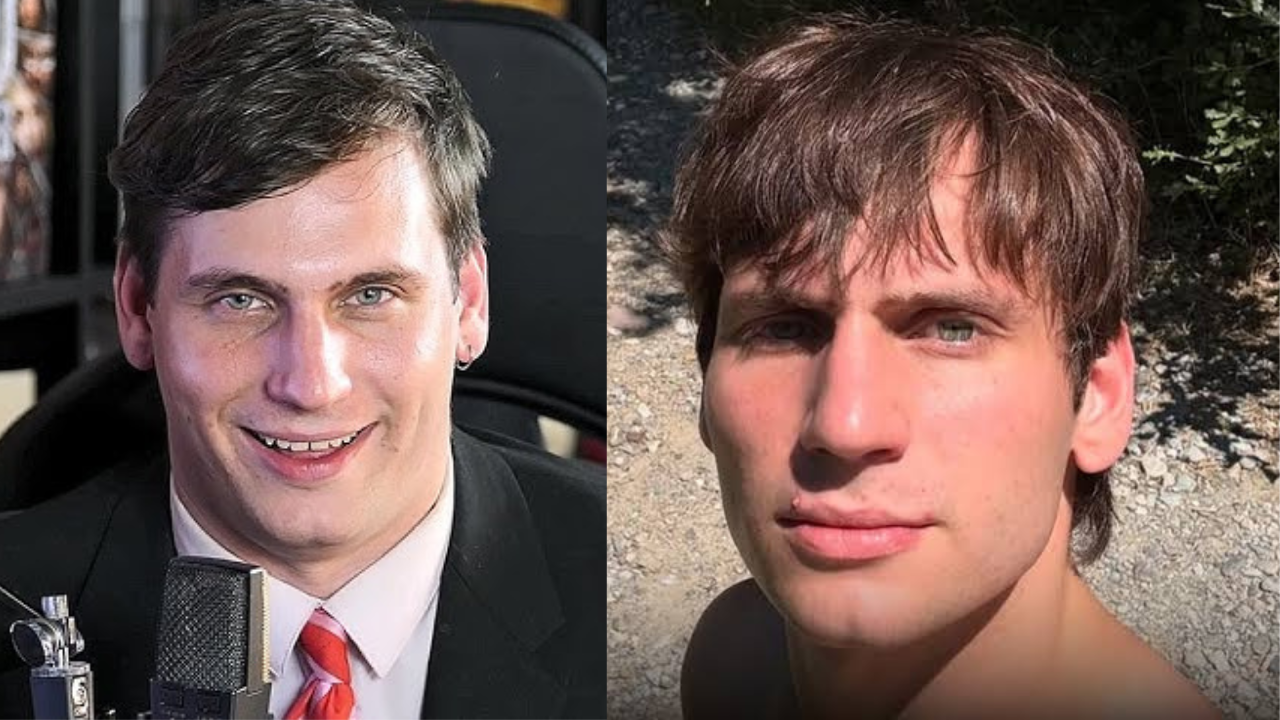
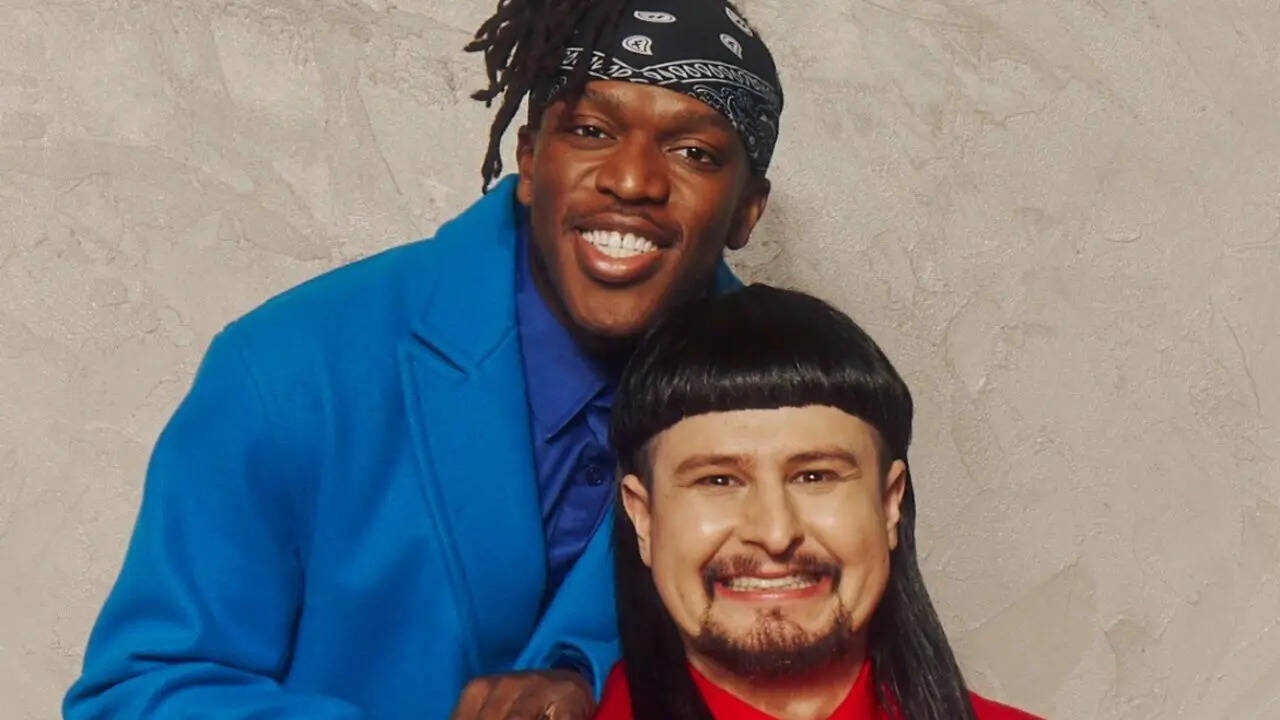
It starts with that electronic growl. A metallic, descending synth line that sounds like a spaceship landing in a dark London nightclub circa 1984. Then, Pete Burns hits you with that command. You know the one. He tells you he wants your love. He tells you he needs your love. Before you even realize what’s happening, the snare drum kicks in with the force of a sledgehammer, and you’re trapped in the orbit of You Spin Me Round (Like a Record).
It’s a relentless song. Truly.
Most people think of it as just another piece of 80s synth-pop fluff, but they’re wrong. It’s actually a masterpiece of engineering. It was the first number-one hit for the production trio Stock Aitken Waterman (SAW), the men who would eventually go on to define the sound of an entire decade by producing everyone from Kylie Minogue to Rick Astley. But back in late '84, they were just three guys trying to figure out how to make a club track that could survive the radio.
Dead or Alive, the band behind the track, wasn't exactly a group of choirboys. Pete Burns was a force of nature. He was sharp-tongued, visually arresting, and possessed a baritone voice that could cut through concrete. He didn't just sing the lyrics; he chewed them up and spat them out.
The Chaos Behind the Scenes of You Spin Me Round (Like a Record)
You’d think a hit this polished came from a happy studio environment. It didn't.
Pete Burns famously clashed with the producers. He had a very specific vision for the track. He wanted it to sound like "I Got You Babe" by Sonny & Cher but infused with a high-energy disco pulse. The producers, specifically Mike Stock, were skeptical. They spent over 36 hours straight in the studio working on the track. Tempers flared. At one point, Pete Burns reportedly told the producers that if they didn't get it right, he'd find someone who could.
The tension worked.
The song has this frantic, almost desperate energy. When Pete sings about being "spun," he isn't talking about a gentle dance. It feels like a loss of control. It feels like vertigo. This isn't a love song about a picnic in the park; it's a song about the dizzying, obsessive power of attraction that makes you lose your footing.
Why the Production Still Slaps Decades Later
Listen to the bassline. Seriously, go put on some good headphones and listen to it. It’s a sequenced Roland Juno-60 synth, layered to create a thick, driving pulse. It never lets up. Not for a second. In the 80s, many tracks suffered from "thin" production where the drums sounded like cardboard boxes. Not this one. The kick drum is massive.
SAW utilized a technique of "stacking" sounds that gave the track a density most pop songs lacked. They weren't just making a song; they were building a wall of sound.
The Visual Identity: More Than Just an Eyepatch
We have to talk about the music video. It cost next to nothing—literally a few thousand pounds—and was filmed in a basic studio with some colorful fabric and a revolving floor. But Pete Burns transformed it into high art. The eyepatch, the kimonos, the wild hair—it was a blueprint for the "gender-bending" aesthetics that would dominate the decade.
Burns wasn't trying to be "drag." He was trying to be Pete.
He once famously said in an interview that he didn't care about labels. He just liked what he liked. That authenticity is why the song resonated. It wasn't a marketing gimmick cooked up by a label executive. It was a genuine expression of a club kid from Liverpool who happened to have a voice like a god.
The Second Life: From Flo Rida to TikTok
Most 80s hits die a quiet death on "Gold" radio stations. You Spin Me Round (Like a Record) refused to go away.
In 2006, Pete Burns appeared on Celebrity Big Brother in the UK. He was polarizing, brilliant, and utterly captivating. His presence on the show propelled the song back into the Top 5 of the UK charts, over twenty years after its initial release. That almost never happens.
Then came the covers.
- Flo Rida's "Right Round": In 2009, the rapper sampled the hook for his massive hit. It introduced the melody to a generation that wasn't even born when the original came out.
- Indie Covers: Bands like Metric and even metal acts have covered the song, proving that the bones of the songwriting are incredibly sturdy.
- The Internet Meme Era: If you spent any time on the internet in the mid-2000s, you probably remember the "Meatspin" meme. It was a crude, viral moment that utilized the song's chorus. While the context was... let's say "not family-friendly," it kept the song alive in the digital consciousness.
Today, it's a staple on TikTok. The "spinning" hook is the perfect audio for everything from pets falling over to dizzying camera transitions.
The Tragedy and Legacy of Pete Burns
Pete Burns passed away in 2016 from a sudden cardiac arrest. He had spent much of his later life dealing with the physical toll of countless plastic surgeries, many of which were to fix previous ones that had gone wrong. He was open about his struggles, his pain, and his obsession with his appearance.
But when he died, the world didn't just remember the surgery. They remembered the music.
You Spin Me Round (Like a Record) stands as his monument. It’s a reminder of a time when pop music could be weird, aggressive, and incredibly catchy all at once. It’s a song that bridges the gap between the underground club scene of the early 80s and the massive, polished pop machines of the modern era.
Honestly, the song is a bit of a miracle. It was made by a band on the verge of being dropped by their label, produced by three guys who were still figuring out their sound, and fronted by a man who refused to compromise his look or his attitude.
Why It Still Works for Your Playlist
If you’re building a workout playlist or a party mix, this song is a cheat code. The BPM (Beats Per Minute) is roughly 128, which is the "sweet spot" for human movement. It’s the same tempo as most modern house music. That’s why it feels so contemporary even though the synthesizers are 40 years old.
The song doesn't have a "lull." It starts at a ten and stays there.
How to Experience the Best Version
Don't just listen to the radio edit. If you really want to understand the power of this track, find the "Performance Mix" or the "Murder Mix." These extended versions allow the instrumentation to breathe. You can hear the intricate layering of the sequences. You hear the way the percussion evolves. In the Murder Mix, the intro is extended, building a sense of dread and excitement that the 3-minute radio version just can't match.
It’s also worth looking up the 2003 "Metro 7" Edit." It’s a slightly more modern take that beefs up the low end without losing the soul of the original.
Actionable Steps for Music Lovers
If you want to dive deeper into the world of Dead or Alive and the 80s synth-pop revolution, here is how to do it right:
- Watch the Evolution Documentary: Look for footage of Pete Burns' early years in Liverpool. He ran a record shop called Probe Records, which was the epicenter of the city's punk and post-punk scene. Understanding his roots makes the success of "You Spin Me Round" even more impressive.
- Compare the SAW Catalog: Listen to this track back-to-back with Rick Astley’s "Never Gonna Give You Up." You will hear the DNA of the production team. It’s fascinating to see how the "Dead or Alive sound" was essentially the prototype for the most successful pop production house in history.
- Check Out the Youthquake Album: "You Spin Me Round" is the lead single, but the entire album is a synth-pop masterclass. Tracks like "Lover Come Back (To Me)" and "In Too Deep" show the band's range.
- Use it for High-Intensity Training: If you’re a runner or a lifter, put this on during your peak effort. The relentless 4/4 beat is scientifically proven (okay, maybe just "gym-science" proven) to keep your heart rate up and your feet moving.
The song is more than a meme. It's more than a nostalgic 80s throwback. It is a perfectly constructed piece of audio engineering that captures the dizzying feeling of being alive and obsessed. It’s why, four decades later, we still find ourselves spinning.
The record hasn't stopped yet. It probably never will.
Next Steps for Your Playlist: To truly appreciate the era, listen to "You Spin Me Round" followed by Soft Cell’s "Tainted Love" and New Order’s "Blue Monday." This sequence traces the evolution of British electronic music from moody synth-pop to the high-energy dance floors that Pete Burns eventually conquered. Stay away from the low-quality YouTube rips; find a remastered FLAC or high-bitrate version to actually hear the bass depth that Mike Stock worked so hard to create.