It was 2015, and the R&B world was feeling a little... distant. We had the moody, atmospheric vibes of the "alternative" wave, but something was missing. Then came this 19-year-old from Oakland with a sun-bleached cover photo and a voice that sounded like it had already lived three lifetimes. When people talk about the You Should Be Here CD or digital drop, they aren't just talking about a collection of songs. They’re talking about the moment the genre got its pulse back.
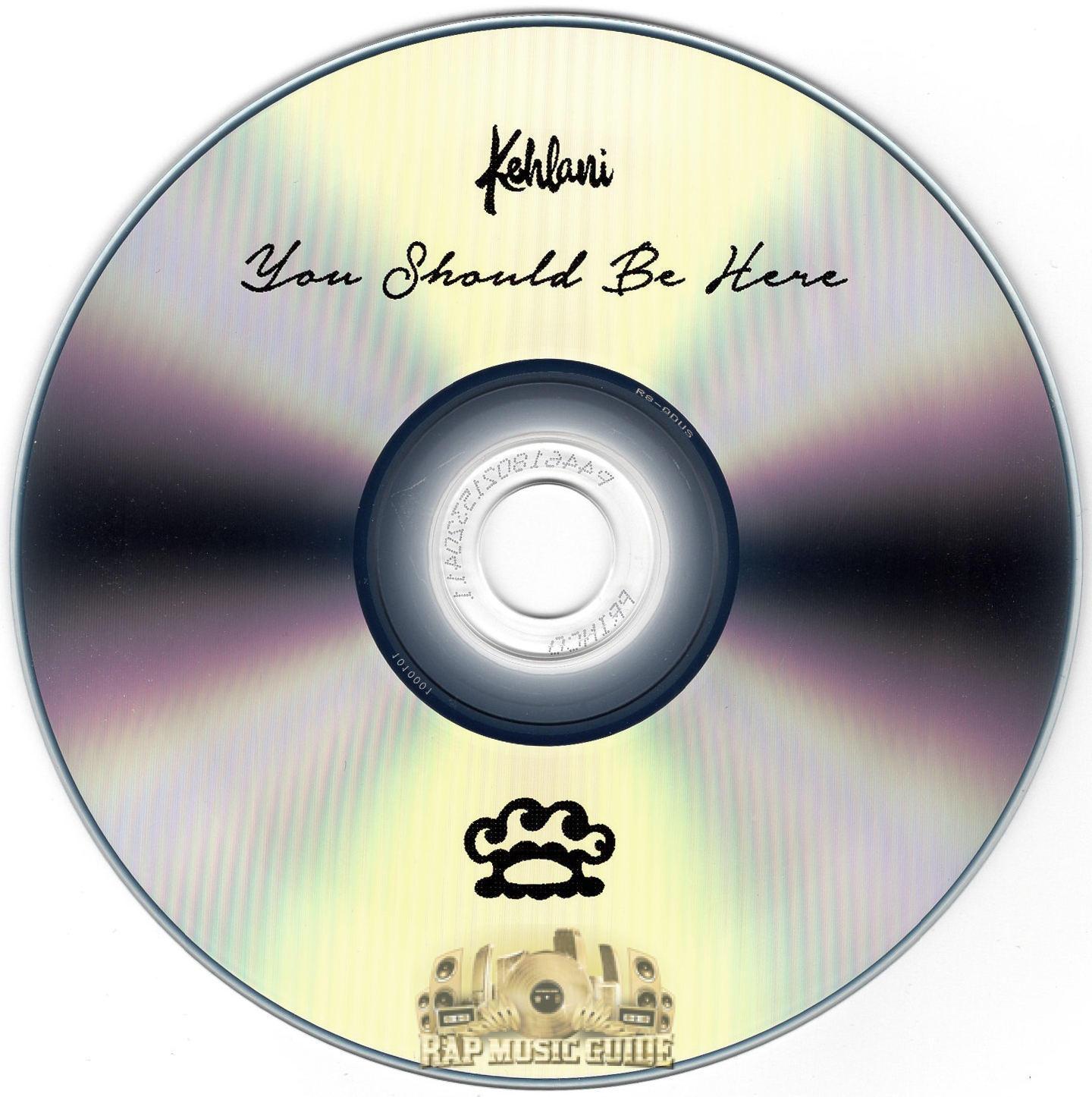
Honestly, it’s rare for a mixtape to feel this complete. Most tapes back then were just a grab bag of loosies or over-produced radio grabs. But You Should Be Here was different. It was cohesive. It was vulnerable. It was, as many critics pointed out at the time, an album in everything but name. If you were scouring the internet for the physical You Should Be Here CD back in the day, you knew you were holding a piece of history.
What Made the You Should Be Here CD a Game Changer?
To understand the hype, you have to look at where Kehlani was. They were independent, hungry, and coming off the back of Cloud 19. When You Should Be Here hit on April 28, 2015, it didn't just trickle out; it exploded. It debuted at number 5 on Billboard’s Top R&B/Hip-Hop Albums chart. For a self-released project? That’s basically unheard of.
The title track itself is a masterclass in emotional intelligence. It’s not just a "where are you?" song. It’s a "you’re standing right in front of me, but your soul is miles away" song. We’ve all been there. That specific brand of loneliness that happens when you're in a room with someone who has checked out mentally.
The Tracklist That Defined an Era
- Intro: A heavy start. It features a phone call with their grandfather and a monologue about pain and purpose. It sets the tone: this isn't bubblegum pop.
- The Way (feat. Chance the Rapper): This was the "big" one. It’s playful, it’s slick, and the chemistry between Kehlani and Chance was electric. It felt like the soundtrack to every summer kickback in 2015.
- Jealous (feat. Lexii Alijai): A raw look at modern insecurity. The late Lexii Alijai’s verse is still a gut punch for fans.
- The Letter: Probably the most heartbreaking song on the project. It’s a direct address to an absent mother. It’s the kind of song that makes you want to pull over if you're driving.
The Physical Release: CD vs. Vinyl
Here’s the thing about the You Should Be Here CD—it’s actually kind of a collector's item now. While most people streamed it on SoundCloud or Apple Music (back when Apple Music was brand new), the physical copies were what fans craved to show "real" support.
Later on, Atlantic Records (who signed Kehlani shortly after this release) put out official vinyl pressings. If you go looking for the CD today, you might find some "manufactured on demand" versions or older promotional copies, but the 2021/2022 vinyl reissues are what usually pop up on sites like Rough Trade or Amoeba. People still hunt for these because the artwork—Kehlani looking out over Oakland with the Golden Gate Bridge in the distance—is iconic. It’s the visual representation of being on the edge of greatness.
Why the Grammy Nomination Mattered
You don't usually see "mixtapes" nominated for Best Urban Contemporary Album at the Grammys. But in 2016, there it was. Kehlani was up against some heavy hitters, and while they didn't take the trophy home that night, the nomination validated everything. It proved that you didn't need a million-dollar studio budget to make something that resonated with the Recording Academy. You just needed the truth.
The project was "wounded but not weak," as some reviewers put it. It balanced the grit of Oakland with a soft, melodic sensibility that felt like a nod to 90s R&B groups like TLC or SWV, but updated for a generation that grew up on Tumblr and iPhones.
Real Talk: Is it still worth a listen?
Absolutely. Music moves fast, and 2015 feels like a century ago in internet years. But tracks like "Bright" are timeless. That song is a literal hug for anyone struggling with self-image. "You are what you choose to be / It’s not up to no one else." It’s simple, sure, but when Kehlani sings it, you actually believe them.
The production, handled largely by Jahaan Sweet along with folks like JMike and Madmax, holds up surprisingly well. It’s not over-cluttered. It gives Kehlani’s voice room to breathe, which is exactly what a project like this needs.
Finding Your Own Copy
If you're looking to add the You Should Be Here CD or vinyl to your shelf, here’s the reality of the market right now:
- Check Independent Record Stores: Places like Amoeba Music or local shops often carry the vinyl reissues.
- Resale Sites: Discogs is your best friend here. You can see the difference between the original pressings and the later Atlantic Records versions.
- Streaming Quality: If you can't find the physical, make sure you're listening to the "remastered" versions on hi-fi streaming services to catch the nuances in the mixing that Joe Fitzgerald nailed.
The impact of this project can’t be overstated. It took Kehlani from a regional favorite to a global force. It paved the way for SweetSexySavage and everything that followed. But for many of us, this era—the raw, unfiltered, Oakland-repping era—remains the gold standard.
If you haven't revisited the full project in a while, do yourself a favor. Put on some headphones, skip the distractions, and let the "Intro" play all the way through to "Alive." You’ll realize pretty quickly why we’re still talking about it over a decade later.
Next Steps for Collectors: Go to a site like Discogs and search for the 2015 promotional CD pressings if you want the rarest version. Otherwise, keep an eye on Kehlani’s official webstore for any anniversary restocks of the 140-gram black vinyl, which remains the most accessible way to own the project physically. For the best listening experience, pair the music with a deep dive into the lyrics of "The Letter"—it changes how you hear the rest of their discography.