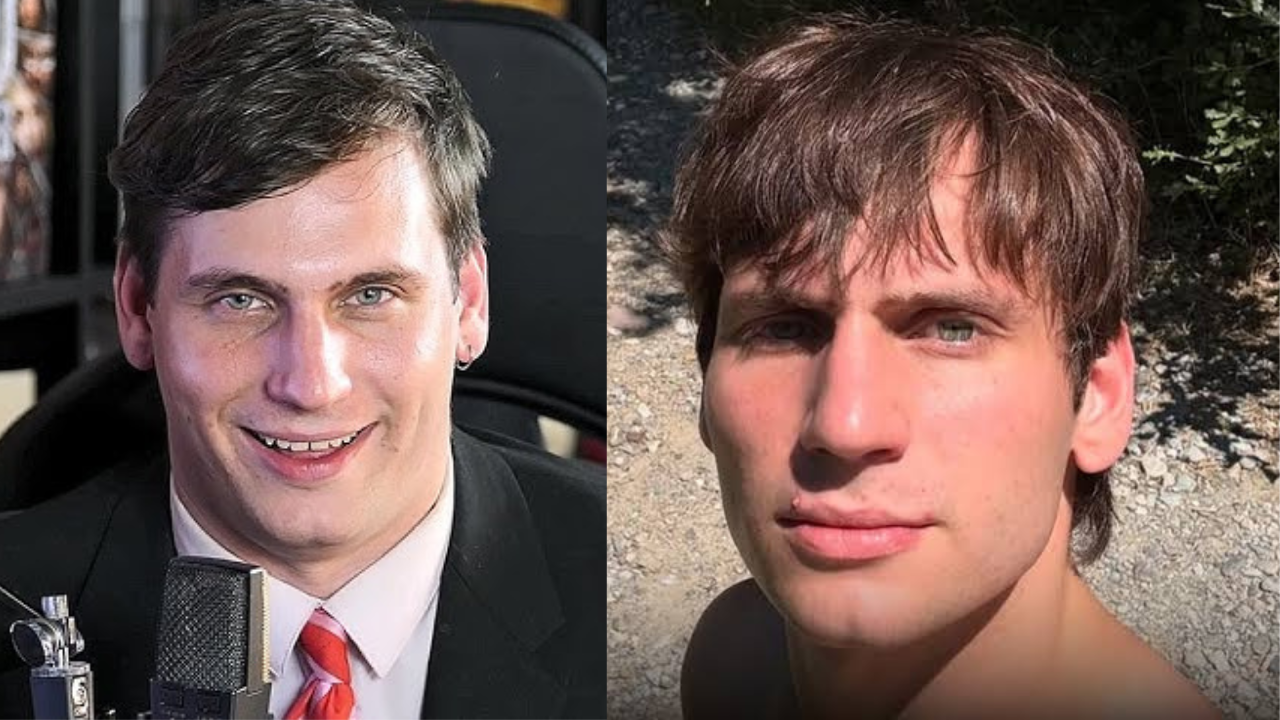
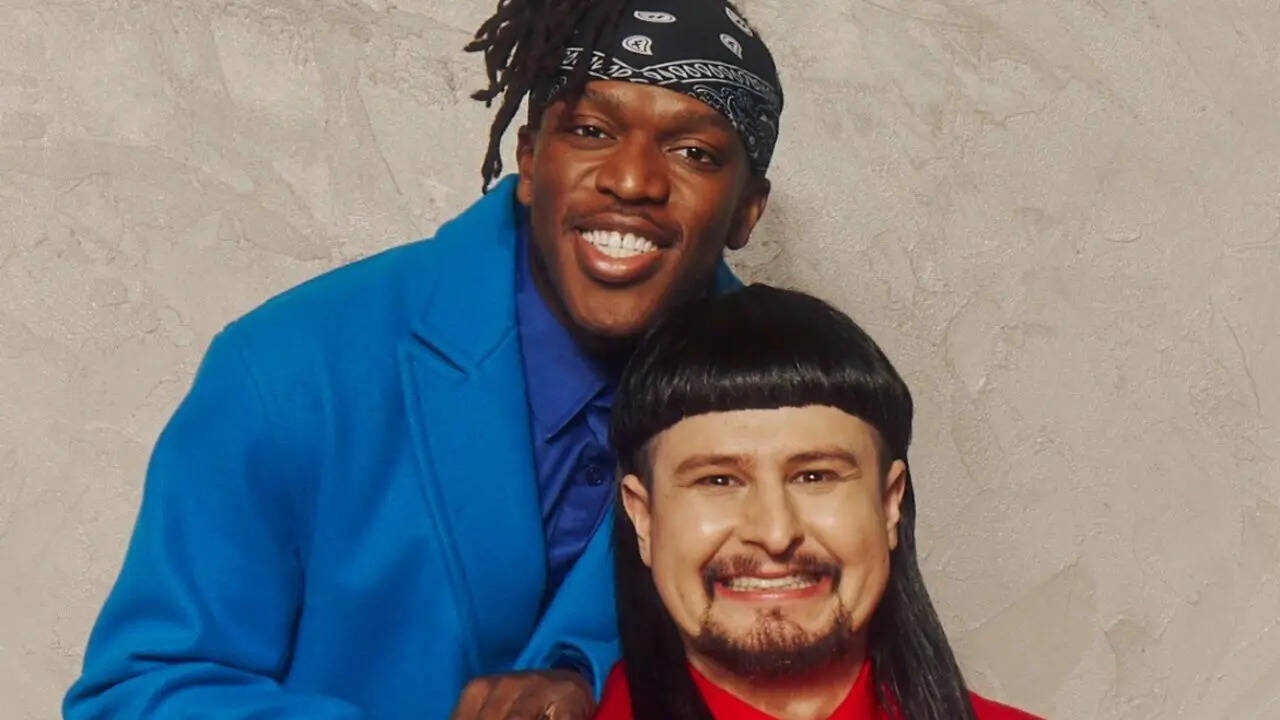
You’ve seen him. Maybe it was on a Tuesday afternoon when your brain was basically fried from spreadsheets, or maybe it popped up in the group chat at 2:00 AM. That specific, slightly chaotic energy of the "you see this guy" meme format is everywhere. It’s one of those digital artifacts that shouldn't work—it’s often low-res, the grammar is questionable, and the context is usually non-existent. Yet, it sticks.
Memes aren't just jokes anymore. They’re a language. When someone posts a photo of a bewildered-looking man or a bizarrely confident character with the caption you see this guy, they are tapping into a very specific type of social shorthand. It’s an invitation to judge, laugh, or relate to a situation that words usually fail to describe. Honestly, the internet would be a much quieter, more boring place without these weirdly specific character tropes.
The Psychology of Why We Share Him
Why does this work? It’s basically about pattern recognition. Humans are wired to categorize people. When you see a "guy" in a meme, your brain immediately tries to slot him into a role. Is he the "guy who thinks he's a genius but actually failed basic math"? Is he the "guy who definitely tried to sell you crypto in a Taco Bell parking lot"?
Psychologists often talk about "thin-slicing," which is our ability to find patterns in events based only on "thin slices," or narrow windows, of experience. A single grainy photo of a man wearing a bucket hat and holding a lukewarm energy drink tells a whole story. We don't need a biography. We just need the vibe.
The you see this guy format relies on that instant recognition. It’s a shortcut to a shared cultural understanding. If you and I both know "that guy," we have a bond. It’s small, sure, but it’s real.
The Evolution of the "Guy" Trope
Think back to the early days of the internet. We had the "Advice Dog" era, where everything was structured and color-coded. Then things got weirder. We moved into "Scumbag Steve" territory. That was probably the first time a specific "guy" became a global symbol for a very specific type of behavior.
But you see this guy is different because it’s more flexible. It’s not tied to one person’s face. It’s a template. You can swap the "guy" out for anyone—a fictional character, a confused athlete, or even a blurry photo of a cryptid. The power is in the setup. It’s an accusatory, yet hilarious, way to point out the absurdities of human behavior.
Digital Folklore and the "Main Character" Problem
There is this concept in modern internet culture called "Main Character Energy." Usually, we want to be the main character. But in the world of you see this guy, the subject is rarely the hero. He’s usually the person doing something so baffling that he becomes the center of attention for all the wrong reasons.
In a way, these memes act as a form of modern digital folklore. In the past, we had fables about the "foolish village boy" or the "greedy merchant." Today, we have the guy who forgot how to use a revolving door or the guy who wore a full suit to a pool party.
It’s social policing disguised as humor. By laughing at "this guy," we are collectively agreeing on what is weird, what is funny, and what is socially unacceptable. It’s a low-stakes way to reinforce social norms without actually having to have a serious conversation about them.
Does Virality Change the Subject?
One thing people often forget is that there is a real human behind the meme. Sometimes.
When a "guy" goes viral, his life can flip overnight. Take the "Hide the Pain Harold" guy (András Arató). He was just a guy taking stock photos. Suddenly, he’s the face of existential dread. He leaned into it, which is the best-case scenario. But for others, being "this guy" is a nightmare.
The internet is ruthless. It doesn't care about your feelings; it cares about the 1.5 seconds of dopamine it gets from a punchline. This creates a weird tension. We love the meme, but we rarely think about the person in the frame. Is he okay? Does he know he’s being used to describe someone’s "roommate who never washes his cereal bowl"? Probably not.
How to Spot a "Guy" in the Wild
You don't just find these memes; they find you. But if you're looking to understand the anatomy of a perfect you see this guy post, look for these three things:
- The Expression: It has to be ambiguous. If he looks too happy or too sad, the meme is too limited. He needs to look slightly "off"—like he just realized he left the oven on, but he's also trying to remember the lyrics to a song from 2004.
- The Contextual Void: The best versions of this meme have zero background information. The lack of context allows the audience to project their own experiences onto the image.
- The Graininess: Surprisingly, higher quality isn't always better. A slightly blurry, poorly lit photo feels more authentic. It feels like a "sighting" rather than a professional photoshoot.
Honestly, if it looks like it was taken on a flip phone in 2011, it’s probably going to hit harder. There’s a certain nostalgia for the "raw" internet that these memes tap into. We're tired of over-edited, high-definition influencers. We want the guy at the gas station who is trying to buy a lottery ticket with a handful of nickels. That's real life.
The Commercialization of the Meme
Of course, brands eventually ruin everything. You’ve probably seen corporate Twitter accounts trying to use the you see this guy format. It’s usually cringey.
When a brand tries to be "this guy," it feels like your dad trying to use slang he heard on a sitcom. The authenticity vanishes. Memes are supposed to be "of the people." Once a marketing team gets a hold of it, the "guy" is no longer a weird cultural outlier; he’s a sales pitch.
The most successful memes are the ones that remain slightly underground or at least feel like they were made by a person, not a committee. That’s why the "you see this guy" format persists. It’s too chaotic for most brands to handle properly.
Real-World Impact: More Than Just a Laugh
It sounds dramatic to say a meme has real-world impact, but look at political discourse. Candidates are frequently turned into "this guy." Their worst, most awkward moments are captured, captioned, and blasted across the internet until that single image defines their entire persona.
In 2026, the speed at which this happens is terrifying. An awkward sip of water or a weird stumble can turn a serious professional into a "guy" in minutes. This isn't just about humor; it’s about framing. Whoever controls the "guy" meme controls the narrative.
Navigating the "Guy" Landscape
If you find yourself becoming "this guy"—don't panic. The internet has a short memory. Unless you’re truly doing something egregious, you’ll be replaced by a new "guy" within 48 hours.
The best way to engage with this kind of content is to keep it light. Don't over-analyze it (even though I'm doing that right now). The magic of the internet is its ability to find humor in the mundane and the bizarre.
Actionable Steps for Meme Enthusiasts
If you're looking to actually use this format or just understand it better, here’s how to handle it without being "that guy" who tries too hard:
- Observe, don't force. The best "guys" are found in the wild. Don't try to stage a weird photo. It never works.
- Keep captions short. The phrase you see this guy is powerful because it's simple. Don't add three paragraphs of explanation. Let the image do the heavy lifting.
- Check the source. Before sharing, especially if it’s a real person in a sensitive situation, just take a second to make sure you aren't participating in something genuinely mean-spirited. There's a line between a "funny guy" and harassment.
- Embrace the low-res. If you're making a meme, don't worry about Photoshop. Mobile editing apps with "bad" filters often produce the best results for this specific aesthetic.
- Diversify your feed. If your entire world is just one type of meme, you'll miss the evolution. Follow different subcultures to see how the "guy" trope changes across different communities (gaming vs. sports vs. tech).
The reality is that you see this guy is a testament to how we communicate now. We are a visual species that loves a good story, even if that story is only one sentence long and features a man wearing two different shoes. It’s about the human condition, in all its messy, weird, and hilarious glory.
Next time you see him, just nod. You know the guy. We all do. That’s the whole point. Keep your eyes peeled for the next iteration, because in the world of the internet, there is always a new "guy" waiting just around the corner to become the next big thing.