It starts with a kid in a bowl cut. He's wearing a striped shirt that looks like it was pulled straight from a 1980s Sears catalog. He stares into the camera with an intensity that borders on the spiritual and then, without warning, he invites you to join his "special club." This is You on a Kazoo, a piece of direct-to-video media that was never supposed to survive the VHS era but somehow became a cornerstone of modern meme culture.
Most people see a 10-second clip on TikTok and laugh. They see Brett Ambler—the "Kazoo Kid"—and think it’s just another weird relic of late-80s children's programming. It's way more than that. It’s a case study in how nostalgia, absurdism, and the relentless machinery of the internet can turn a forgotten educational video into a global phenomenon decades after its release.
What Actually Is You on a Kazoo?
The year was 1989. A company called Special Kids Productions released a series of videos designed to encourage imaginative play and musical participation. You on a Kazoo was the flagship. It wasn't a TV show. You couldn't find it on Nickelodeon or PBS. It was a "Special Interest" tape sold in toy stores or through mail-order catalogs.
The plot? It’s thin. Brett Ambler wanders through various imaginary scenarios, playing his kazoo and interacting with friends who are mostly invisible or represented by low-budget practical effects. The "You" in the title is literal. The video is shot in a POV style where Brett talks directly to the viewer, treating you as his best friend.
"I like to play kazoos!" he shouts. "I like to play kazoos with my friends!"
It’s earnest. It’s loud. It’s incredibly dorky. But in 1989, this was standard fare for the growing home video market. Parents wanted "interactive" content that would keep toddlers occupied while they did the laundry. Nobody involved in the production thought they were making a future viral hit. They were just making a product for five-year-olds.
The Rebirth: From VHS Bin to Viral Legend
The internet didn't discover You on a Kazoo all at once. It was a slow burn. The video first started popping up on early video-sharing sites and forums in the mid-2000s, but the real explosion happened around 2011 when a YouTube channel called Everything Is Terrible! featured it. This channel specializes in "found footage"—the weirder, the better.
They edited the footage to highlight the most surreal moments. They emphasized the kid's wide-eyed enthusiasm and the catchy, repetitive songs. Suddenly, Brett Ambler wasn't just a kid in an old video; he was a character.
Then came the remixes.
The "Kazoo Kid Trap Remix" changed everything. Taking a simple, innocent phrase like "fun, fun, fun, fun, fun!" and layering it over a heavy 808 beat turned the video into a psychedelic experience. It hit the sweet spot of "weird internet." It wasn't mean-spirited, but it was definitely mocking the inherent awkwardness of the original production. By 2016, the meme had reached its peak, with millions of views across YouTube, Vine, and Facebook.
Meeting the Real Kazoo Kid: Brett Ambler
Usually, when a child star becomes a meme, it ends poorly. They either disappear or get angry about being the butt of the joke. Brett Ambler did something different. He leaned in.
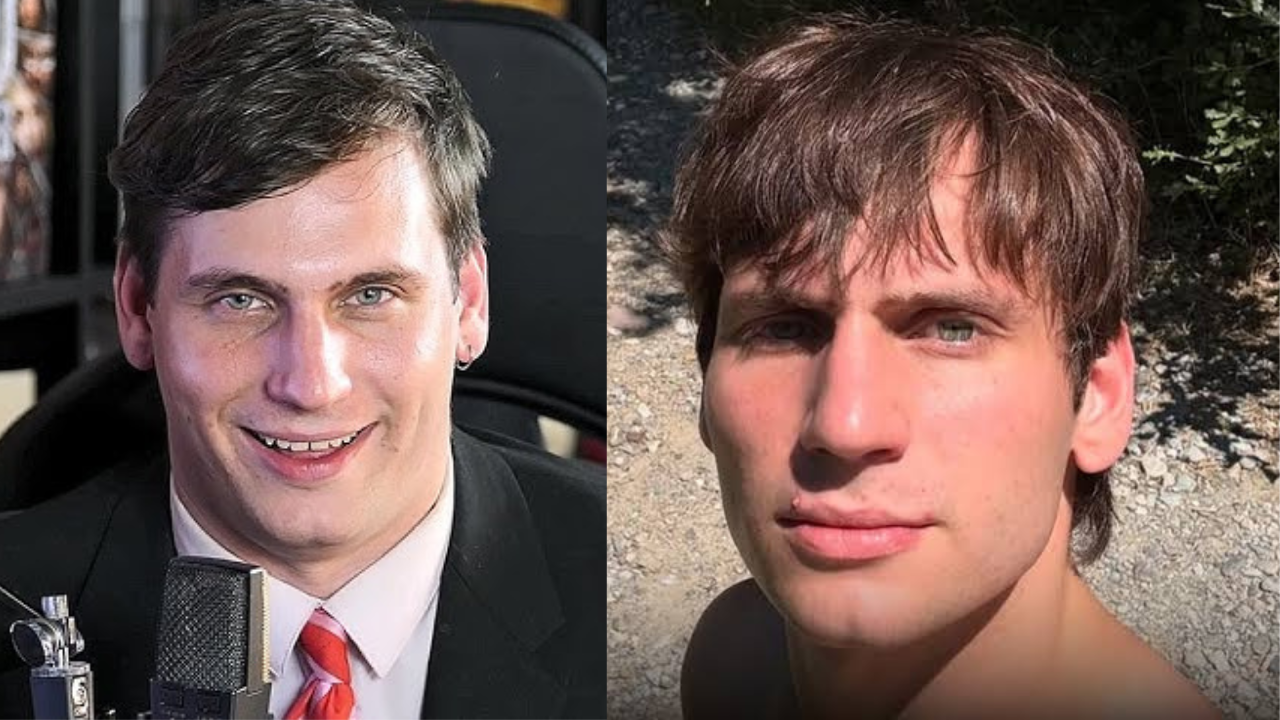
Brett is a real person, an actor and musician who grew up to have a very healthy perspective on his childhood fame. When the meme exploded, he didn't hide. He joined Twitter. He posted photos of himself holding a kazoo. He even did "Ask Me Anything" (AMA) sessions on Reddit where he talked about the filming process.
According to Ambler, the shoot was just a few days of work for a kid actor. He didn't even keep the original kazoos. He’s often asked if he was "on something" during the filming because of his high energy—he wasn't. He was just a kid following directions from a director who wanted high-impact, engaging performances for toddlers.
Knowing the "Kazoo Kid" is a well-adjusted adult who thinks the whole thing is hilarious adds a layer of wholesomeness to the meme. It’s rare. We’re used to the "where are they now" stories being tragic. This one is just... fun.
The Technical Brilliance of the Kazoo
Let's talk about the instrument itself. The kazoo is the ultimate equalizer. You don't need to learn scales or fingerings. If you can hum, you can play.
Technically, a kazoo is a "mirliton." It’s a membranophone. It works by using a small vibrating membrane (usually made of wax paper or plastic) to add a "buzzing" quality to a player's voice. When Brett Ambler tells you to play You on a Kazoo, he's inviting you into the most accessible form of music-making on the planet.
- Materials: Most are plastic or metal. The plastic ones sound "buzzier."
- Technique: Do not blow into it. You have to hum. If you blow, you just get air.
- The Cap: The little circular part on top holds the membrane. If you tighten it or loosen it, the sound changes.
In the video, the kazoos used are bright, colorful, and cheap. They represent a specific era of American childhood where "educational" meant "noisy."
Why Does It Still Rank?
Search volume for You on a Kazoo remains surprisingly consistent. Why? Because the video taps into a specific type of nostalgia that isn't tied to a massive franchise like Star Wars or Marvel. It’s "orphan nostalgia." It’s a memory of a thing you didn't even realize you remembered until you saw it on a screen again.
It also serves as a perfect template for video editing. The pacing of the original video is weirdly perfect for "YouTube Poop" (YTP) edits—a genre of internet humor that uses jump cuts, pitch shifts, and repetition to create absurd comedy. The Kazoo Kid's face is expressive. His movements are jerky. He’s a digital goldmine.
Misconceptions About the Video
There are a few things people get wrong about this piece of media.
First, many people think it was a TV show pilot that failed. It wasn't. It was always intended for the home video market. Second, there's a rumor that there were dozens of these videos. While Special Kids Productions made other titles like You on a Guitar or You on a Keyboard, none achieved the cult status of the kazoo version.
Third, some claim the video was "lost media." It never was. It was just obscure. It sat on the shelves of people's basements for twenty years until someone with a VCR and a capture card decided the world needed to see it.
The Cultural Impact of the Kazoo Kid
It's easy to dismiss this as just another "dumb internet thing." But You on a Kazoo actually says a lot about how we consume media now. We take the sincere and make it ironic. We take the forgotten and make it immortal.
The video is a bridge between the analog world of 1989 and the digital chaos of the 2020s. It reminds us that even the most mundane, low-budget projects can have an unintended afterlife. It’s a testament to the power of the "unfiltered" kid energy that hasn't changed in forty years. Kids are still loud. They still like making noise. They still want a "special club."
How to Experience it Today
If you want to dive into the world of You on a Kazoo, don't just watch the 30-second clips. Find the full 30-minute original. It’s a fever dream. The sequence where they go to the "pretend" forest is particularly striking for its sheer commitment to low-budget imagination.
You can find it on YouTube, obviously. But if you're a collector, original VHS copies occasionally pop up on eBay. They aren't cheap—nostalgia has a price tag.
Actionable Next Steps
- Watch the original: Search for "You on a Kazoo full video 1989" to see the context. It makes the memes much funnier.
- Buy a metal kazoo: If you actually want to play, skip the plastic ones. A metal kazoo has a much richer, more resonant "buzz" and will last longer.
- Check out Brett Ambler’s modern work: He’s still active in the creative arts. Supporting the "real" Kazoo Kid is a great way to close the loop on the meme.
- Try your hand at a remix: Use a simple app like CapCut. Take a clip of Brett saying "I like to play kazoos" and see how it fits over different music genres. It’s a rite of passage for internet creators.
The legacy of You on a Kazoo isn't just about the music or the kid. It’s about the fact that in a world of highly polished, AI-generated, corporate-approved content, we still gravitate toward something that feels human, weird, and accidentally hilarious. It’s fun, fun, fun, fun, fun. Honestly, we could all use a bit more of that energy.