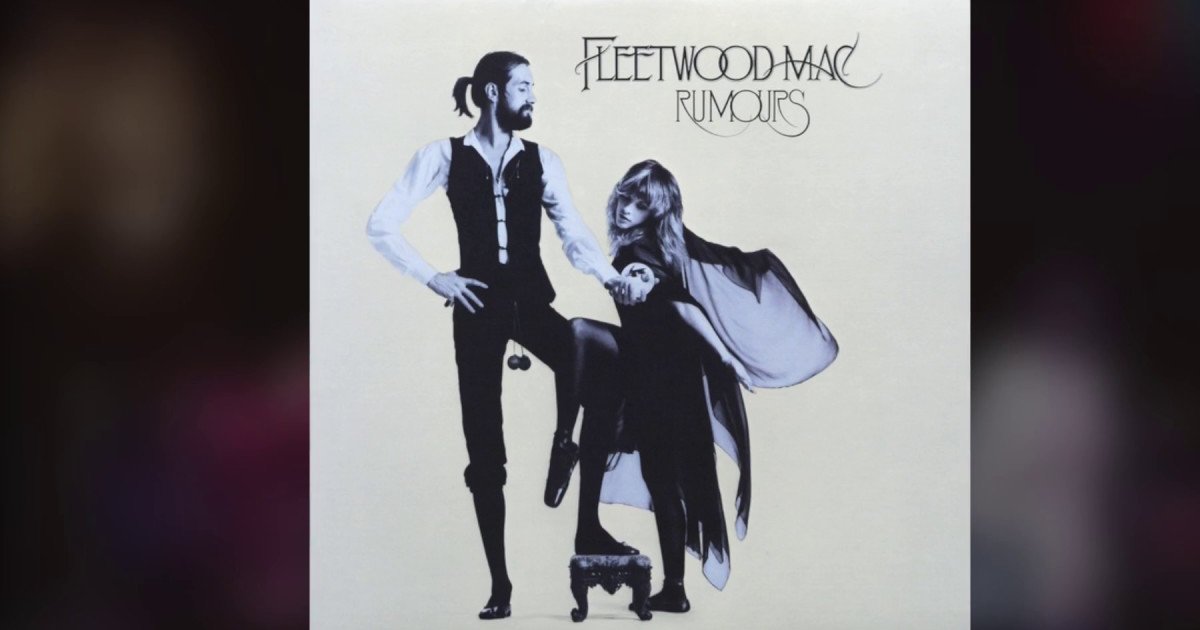
Christine McVie was glowing. It was 1976, and the atmosphere inside Record Plant studios in Sausalito was, frankly, toxic. Everyone was breaking up. Lindsey and Stevie were screaming at each other between takes. John and Christine weren't even speaking. Mick's marriage was cratering. Yet, amidst this emotional wreckage, Christine turned in a demo that felt like a warm sunbeam hitting a cold room. The lyrics to You Make Loving Fun Fleetwood Mac fans eventually came to know weren't about her husband, John. They were about the guy who looked after the band's lighting rig.
His name was Curry Grant.
He was the rebound. He was the "magic" she sang about. It’s kinda wild to think that one of the greatest pop-rock anthems of all time was basically a "thank you" note to a lighting director for being better in bed and conversation than her soon-to-be-ex-husband.
The Secret Inspiration Behind the Magic
If you listen to the clavinet-heavy groove of the track, it sounds celebratory. It is. But for John McVie, the bassist, it was a nightmare. Christine actually told John the song was about her dog just to keep the peace during the Rumours sessions. She didn't want to admit she was writing lyrics about how amazing her new fling made her feel while John was sitting three feet away holding a Fender Precision Bass.
She later admitted the truth, of course.
The line "I never did believe in miracles, but I’ve a feeling it’s time to try" wasn't just flowery poetry. It was literal. She had checked out of her marriage. She felt dead inside. Then Curry Grant walked in, and suddenly, the "miracles" started happening. It’s this specific brand of awkwardness that gave Rumours its edge. You have a woman singing about the joy of a new lover while her ex-husband provides the heartbeat of the song on bass. Talk about professional.
Why the Lyrics to You Make Loving Fun Fleetwood Mac Still Hit Different
Most love songs are about the "forever" kind of love. This one isn't. It’s about the relief of finding something that actually works after years of something that didn't.
- "Sweet wonderful you / You make me happy with the things you do."
- "I never did believe in miracles."
- "Don't, don't break the spell."
The simplicity is the point. Christine McVie was the band’s "Songbird," the one who could distill complex heartache into a melody that felt like a hug. While Stevie Nicks was writing about crystal visions and Welsh witches, and Lindsey Buckingham was screaming about "shacking up," Christine was just happy. She was grateful.
Honestly, the "spell" she mentions in the lyrics is that fleeting moment of a new relationship where you haven't found the flaws yet. It’s the honeymoon phase captured in amber. The song doesn't pretend it's going to last a thousand years. It just asks the universe not to break the spell right now.
The Musicality of the Message
We have to talk about that clavinet. It’s played through a Wah-wah pedal. It gives the song this greasy, funk-inflected swagger that mirrors the lyrics. If the words are about the "fun" of loving someone new, the music is the physical embodiment of that fun. It’s bouncy. It’s confident.
Lindsey Buckingham’s guitar work on the track is also surprisingly restrained but vital. He understood that this was Christine’s moment. The harmonies, featuring Stevie and Lindsey, are tight—ironic, considering they could barely stand to be in the same room. They sang about "loving fun" while their own lives were falling apart. That’s the Fleetwood Mac brand. Total internal chaos transformed into perfect external harmony.
The Record Plant Drama
Recording Rumours was basically a soap opera with a high production budget. The band was consuming massive amounts of cocaine. They were drinking. They were swapping partners.
When it came time to record the vocals for You Make Loving Fun Fleetwood Mac, the tension was thick. John McVie knew. He wasn't stupid. He could hear the lyrics. He could see the way Christine looked at Curry. But he played the part. He laid down one of the most iconic, driving basslines of his career.
There’s a specific nuance in the way Christine sings the word "fun." It’s not a heavy word. It’s light. After the heaviness of their 1970 to 1975 era, the band needed light. This song provided the commercial ballast that helped Rumours stay at Number 1 for 31 weeks. It reached number 9 on the Billboard Hot 100, proving that people were hungry for a love song that didn't feel like a funeral.
Misconceptions and Rumors
A lot of people think this song is about the band "making it" or about their shared love for the music. It’s not. It’s 100% about an affair that became a relationship.
Curry Grant wasn't just a random guy; he became a significant part of their circle. But the power dynamic was weird. Imagine being the guy who inspires a hit song, and then you have to go to work and set up the lights for the guy whose wife you’re dating. It’s messy. It’s human.
The lyric "I never did believe in miracles" is often cited by fans as a spiritual reference. It's really not. Christine was a pragmatist. She was the most grounded member of the group. For her to call a feeling a "miracle" meant she had been in a very dark place with John. It wasn't about God; it was about the miracle of not being miserable anymore.
The Legacy of the "Fun"
When Christine McVie passed away in 2022, this song saw a massive spike in streaming. Why? Because it represents the best of her. It’s sophisticated but accessible. It’s sexy without being gross. It’s a masterclass in how to write a hook that stays in the brain for forty years.
If you look at the structure, it’s actually quite complex. The bridge doesn't just repeat the chorus; it builds on it. The vocal layering in the final minute of the song creates a wall of sound that feels like a party. It’s the sound of a woman who has finally found her voice—and her happiness—after being the "quiet one" for so long.
Breaking Down the Key Verses
The first verse sets the stage: "Sweet wonderful you / You make me happy with the things you do." It’s almost nursery-rhyme simple. But it's the delivery that sells it. There’s a breathiness to Christine’s vocals that suggests she’s almost surprised by her own joy.
Then comes the shift.
"It's all I wanna do, is to answer to you." This line is actually pretty controversial if you analyze it through a modern lens. Is she losing her independence? No. In the context of the mid-70s and her crumbling marriage, "answering" to someone who actually treated her well was a choice. It was a relief.
Actionable Insights for Music Lovers
If you want to truly appreciate the depth of this track beyond just humming along in the car, try these steps:
- Listen to the 2004 Remaster with Headphones: You’ll hear the subtle interplay between the clavinet and the bass. It’s a conversation. John is responding to the lyrics about the guy he’s being replaced by. It’s haunting when you focus on it.
- Compare it to 'Go Your Own Way': Listen to them back-to-back. Lindsey’s song is a bitter, jagged attack on Stevie. Christine’s song is a warm, funky celebration of someone new. It shows the two different ways the band handled heartbreak. One chose fire; the other chose light.
- Read the liner notes of the 35th Anniversary Edition: There are demos included that show the song's evolution. It started much slower, almost like a blues track. The decision to speed it up and add the funk element is what made it a hit.
- Watch the 1977 Live Performances: Look at the body language. You can see the tension. You can see Christine looking toward the wings of the stage (where the lighting crew worked) while she sings. It adds a whole new layer of "oh, wow" to the experience.
The song is a reminder that even in the middle of a total life collapse, you can find a moment of "fun." It doesn't have to be deep to be meaningful. Sometimes, the most profound thing you can do is admit that you're happy, even if it's messy, and even if it's only for a little while.