Most people think they know the You Light Up My Life film. They don't. Mention the title and someone usually starts humming that syrupy, record-breaking ballad by Debby Boone. It’s a wedding staple. It’s the ultimate soft-rock anthem. But if you actually sit down and watch the 1977 movie it came from, you’re in for a massive tonal whiplash. It isn't a Hallmark-style romance. Honestly, it’s a gritty, slightly depressing, and fiercely independent character study about a woman trying to survive the sleazy underbelly of the 1970s entertainment industry.
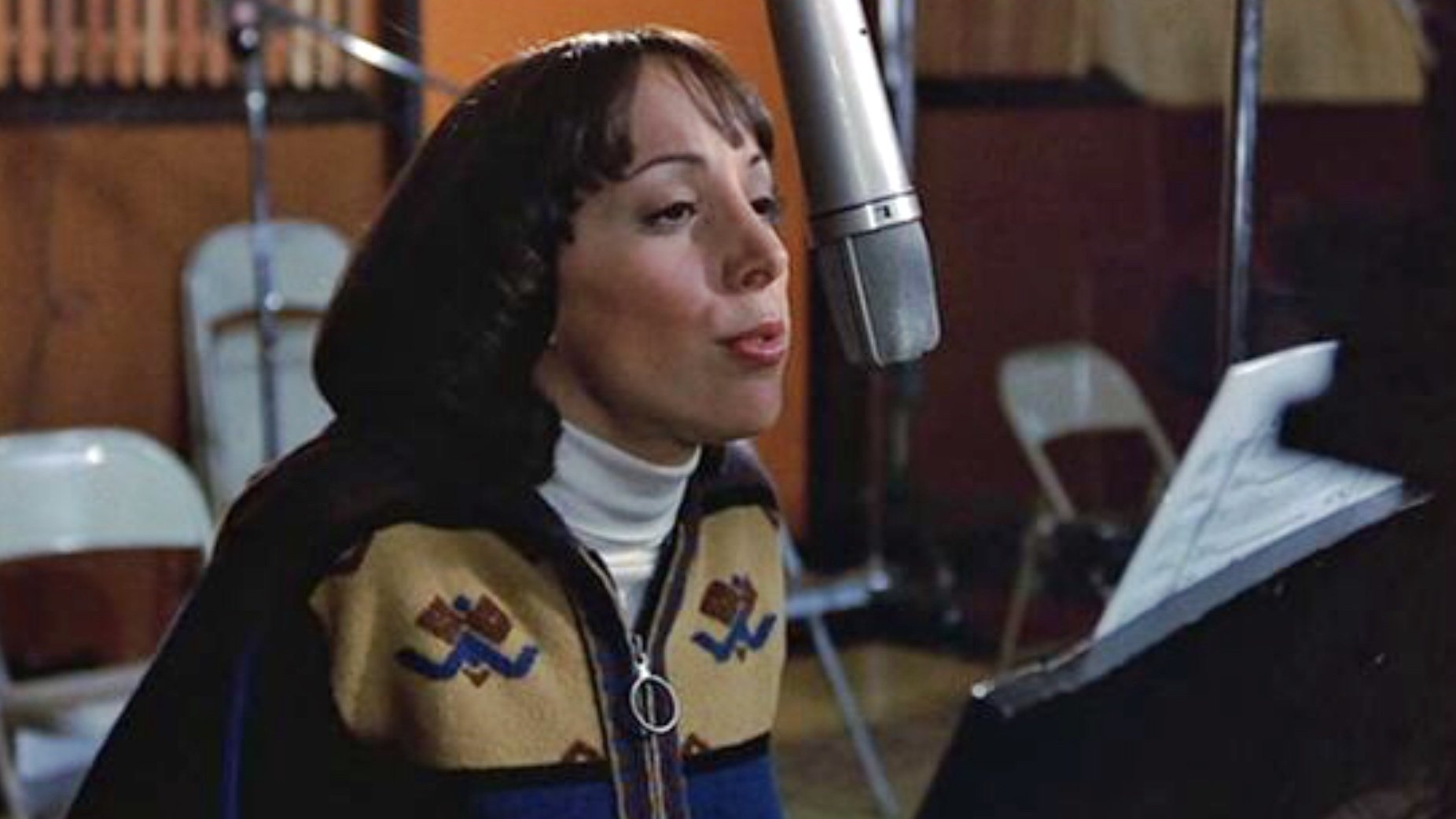
The movie stars Didi Conn—long before she was Frenchy in Grease—as Laurie Robinson. Laurie is a struggling actress and singer living in the shadow of her father, a hack comedian who wants her to follow in his footsteps. It’s a messy story. It’s awkward. And while the song won an Oscar, the film itself has largely been relegated to the bargain bin of history. That’s a mistake, because it captures a very specific, lonely vibe of New York City in the late seventies that few big-budget films ever touched.
The Massive Gap Between the Song and the Story
There’s a weird irony here. The song "You Light Up My Life" is one of the biggest hits in the history of the Billboard Hot 100. It stayed at number one for ten consecutive weeks. But in the movie, it isn’t some grand declaration of romantic love. It’s basically a demo track. Laurie sings it in a recording studio, and the context is much more about her finding her own voice and professional identity than it is about a guy.
Joseph Brooks wrote it. He also directed the film, produced it, and composed the score. He was a master of the "jingle"—the guy responsible for some of the most famous commercial tunes of the era. You can feel that in the movie. It has this polished, melodic core wrapped in a low-budget, almost documentary-style aesthetic. The lighting is harsh. The apartments look lived-in and cramped. It’s a far cry from the polished musical biopics we see today.
When you watch Laurie navigate her failed relationships—including a particularly cringe-worthy engagement—you realize the song is her escape. It’s her only bit of "light" in a world of failed auditions and manipulative men. People often forget that Didi Conn didn't even sing the version in the film. The vocals were dubbed by Kasey Cisyk, a prolific session singer whose name was largely left out of the spotlight despite her voice being the one everyone recognized.
Behind the Scenes: The Joseph Brooks Controversy
You can't talk about the You Light Up My Life film without talking about its creator, Joseph Brooks. His story is dark. Much darker than the "uplifting" message of the movie. Brooks was a visionary in many ways, but he was also a deeply troubled figure. He funded the movie himself, which was a huge gamble in 1977. He wanted total control.
Decades later, Brooks was indicted on multiple counts of sexual assault involving aspiring actresses—a horrifying parallel to the themes of power and exploitation seen in his own film. He took his own life in 2011 before the trial. Knowing this makes the movie feel different. It adds a layer of discomfort to Laurie’s struggles with the predatory nature of show business. You see her character being pushed around by men who claim they want to help her, and it feels less like fiction and more like a reflection of the environment Brooks himself inhabited.
It makes the film a difficult watch for some, but also a fascinating artifact of its time. It’s a document of the power dynamics in the 70s indie film scene. It shows the desperation of the "almost famous."
Why the Critics Hated It (and Why Audiences Didn't Care)
Critics were brutal. They called it manipulative and sappy. Roger Ebert gave it a lukewarm review, noting that while Didi Conn was charming, the plot felt thin. But here’s the thing: it made a killing. On a budget of roughly $800,000, it pulled in millions.
Why? Because it felt "real" to people.
- Laurie wasn't a bombshell; she was relatable.
- The father-daughter tension was genuinely uncomfortable.
- The ending wasn't a perfect "happily ever after."
In the final act, Laurie doesn't end up with a prince. She doesn't become a superstar overnight. She just... keeps going. She leaves her fiancé, she stands up to her dad, and she walks out into the world on her own terms. It’s an incredibly quiet ending for a movie associated with such a loud, soaring ballad.
The Tech and Style of 1977
If you’re a fan of cinematography, this film is a goldmine for the "New Hollywood" look. It’s grainy. It uses a lot of natural light. It captures the beige and brown palette of 1977 Manhattan perfectly. Compare it to something like Saturday Night Fever, which came out the same year. While Fever was all about the neon and the strobe lights, You Light Up My Life is the morning after. It’s the hangover.
The sound design is also strangely intimate. You hear the hum of the recording equipment. You hear the floorboards creak. It creates this sense of voyeurism, like you’re sitting in the room while these people ruin their lives.
The Debby Boone Effect
We have to address the elephant in the room. The version of the song that most people know isn't the one from the movie. Debby Boone’s cover took over the world. It’s what most people associate with the You Light Up My Life film, even though Boone wasn't in the movie and her version wasn't on the original soundtrack.
This created a massive branding disconnect. The song became a Christian contemporary staple and a wedding favorite, scrubbed of any of the film’s grit. Kasey Cisyk, the original singer, actually sued because she felt her contribution was erased. It was a mess.
Fact Check: Who Actually Sang It?
- Kasey Cisyk: The voice you hear in the actual movie and on the original soundtrack LP.
- Didi Conn: The actress who lip-synced in the film.
- Debby Boone: The singer who recorded the radio hit that everyone bought at the record store.
This trio of women represents the fractured nature of the project. It was a hit by committee, even if one man—Brooks—was pulling all the strings.
The Legacy of Laurie Robinson
What really matters today is how Laurie Robinson’s journey holds up. In a post-"Me Too" world, the film feels surprisingly relevant. It’s about a woman realizing that the "light" in her life shouldn't come from a man or a career milestone, but from her own autonomy.
She’s a character who is constantly being told who to be. Her father wants a Vaudeville partner. Her fiancé wants a housewife. The industry wants a product. Her act of rebellion is simply walking away from all of them. It’s not flashy. It’s not a big musical number with backup dancers. It’s just a girl and her car, heading toward an uncertain future.
Is it Worth Watching Now?
Yes, but adjust your expectations. Don't go in expecting a romantic comedy. Go in expecting a low-key drama about the "mid-level" of the creative world. Watch it for Didi Conn’s performance, which is genuinely vulnerable and nuanced. Watch it to see a version of New York that doesn't exist anymore—dirty, dangerous, and full of weird possibilities.
Actionable Steps for Film History Buffs
If you want to dive deeper into the world of the You Light Up My Life film, don't just stream the song. The movie is often hard to find on major streaming platforms, but it frequently pops up on physical media or boutique streaming services focused on 70s cinema.
- Seek out the Original Soundtrack: Look for the Kasey Cisyk version. It has a different, more haunting quality than the Debby Boone radio edit.
- Compare with Grease: Watch Didi Conn in this film right before watching her as Frenchy. The range is impressive. In You Light Up My Life, she’s grounded and weary; in Grease, she’s a cartoon character.
- Research Joseph Brooks’ Later Work: If you want to understand how a "one-hit wonder" filmmaker operates, look into his follow-up, If Ever I See You Again. It’s a fascinating look at an ego left unchecked after a massive success.
- Check Local Libraries: Many university film departments keep copies of this because of its significance in independent film financing.
The film serves as a reminder that the "good old days" were often complicated, messy, and driven by personalities that were far from perfect. It’s a piece of pop culture history that deserves more than being a footnote to a hit song.
Stop thinking of it as a ballad. Start thinking of it as a survivor's story.