You Light Up My Life Debby Boone: The Story Behind the Ballad
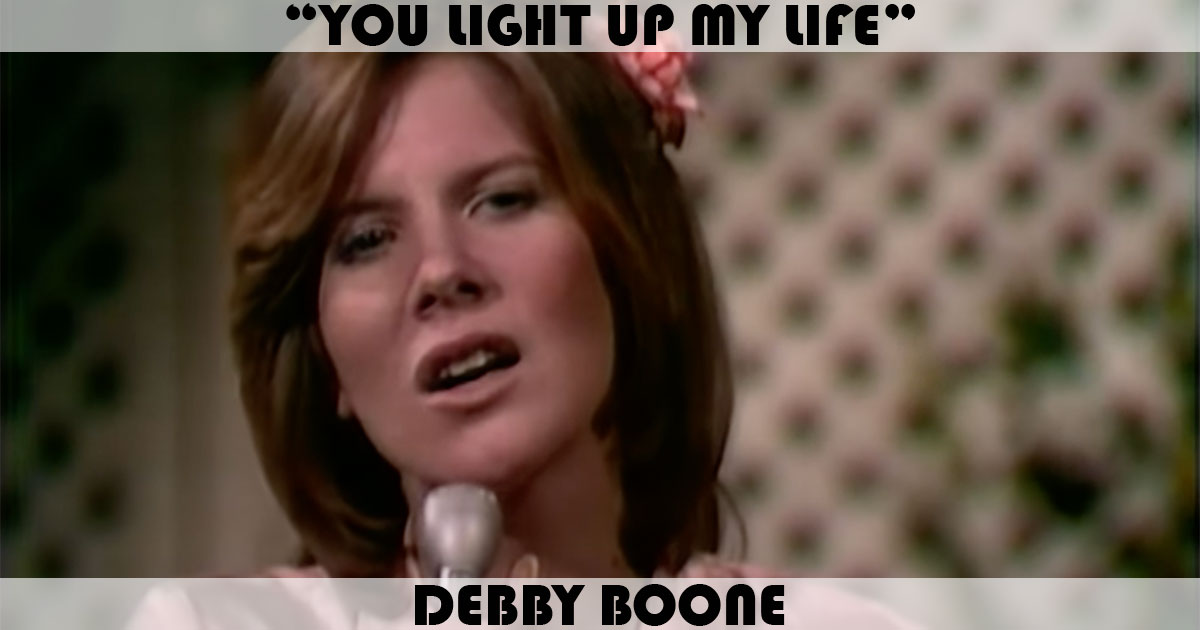
Honestly, it’s hard to overstate just how much the world was obsessed with You Light Up My Life Debby Boone in late 1977. It wasn't just a hit; it was a total cultural takeover. For ten weeks straight—from mid-October right through the end of the year—this song sat at No. 1 on the Billboard Hot 100. Back then, that was a record-breaking streak. You couldn't turn on a radio or walk into a grocery store without hearing that opening piano line.
But if you look at the song today, it’s kinda polarizing. Some people remember it as the ultimate sweet ballad that defined their youth, while others see it as the poster child for "schmaltzy" 70s pop. Whatever side you're on, the story of how a 21-year-old newcomer became the face of the biggest single of the decade is wilder than you'd think.
It Wasn't Actually Her Song First
Here is a bit of trivia that usually trips people up: Debby Boone wasn't the original voice of the song. The track was actually written by Joseph Brooks for a 1977 movie also called You Light Up My Life. In the film, the lead actress Didi Conn (who everyone knows as Frenchy from Grease) lip-syncs the song.
The real voice in the movie was a session singer named Kvitka "Kasey" Cisyk. Cisyk’s version is technically the "original," but Brooks—who by all accounts was a pretty difficult guy to work with—reportedly tried to avoid paying her. He eventually went looking for someone else to record a commercial version, and that’s when he found Debby, the daughter of 1950s pop icon Pat Boone.
The Recording Session That Changed Everything
When Debby went into the studio, she wasn't exactly a seasoned solo artist. She had been performing with her sisters as "The Boones," mostly doing gospel and light pop. Mike Curb, the head of Curb Records, saw something in her and pushed her to record this ballad.
Interestingly, Joe Brooks was incredibly strict during the session. He basically forced Debby to mimic Cisyk’s original phrasing and inflections note-for-note. Because the orchestra had already been recorded for the film version, Debby had to sing her vocals over the existing track. Even though it was a manufactured process, something about her delivery felt authentic to the public.
Why It Hit So Hard in 1977
Why did You Light Up My Life Debby Boone resonate so much?
- The Religious Undertone: While Brooks wrote it as a romantic love song, Debby—a devout Christian—interpreted the "You" in the lyrics as God. This gave the song a dual appeal. It worked as a wedding song, but it also became a massive hit in the growing Contemporary Christian Music scene.
- The "Clean" Counter-Culture: 1977 was the year of Saturday Night Fever and the rise of punk. Amidst all the disco glitz and grit, this very safe, wholesome ballad felt like a refuge for a huge segment of the population.
- The Chart Dominance: It didn't just stay at No. 1; it became the biggest-selling single of the 1970s. It eventually earned a Platinum certification when that was a much harder feat to achieve.
The Best New Artist Curse?
Winning the Grammy for Best New Artist in 1978 should have been the start of a massive pop career. She also shared the Song of the Year win with Barbra Streisand’s "Evergreen"—the first tie in that category's history.
But pop stardom is fickle.
After the massive success of her debut, Debby struggled to find a follow-up that hit the same way. Her next single, "California," only reached No. 50. By the early 80s, she had pivoted almost entirely to country and Christian music, where she found much more sustained success, eventually winning two more Grammys in those genres.
The Darker Side of the Legacy
It’s impossible to talk about the song without mentioning its creator, Joseph Brooks. While he won an Oscar and a Golden Globe for the track, his personal life was a nightmare. Decades later, he was indicted on dozens of counts of sexual assault. He committed suicide in 2011 before he could face trial.
For many, this has cast a shadow over the song's legacy. It’s a strange contrast: a song that is synonymous with light and hope was penned by someone with such a dark history.
How the Song Ranks Today
If you look at the all-time Billboard charts, You Light Up My Life Debby Boone is still surprisingly high up there. In 2018, Billboard ranked it as the 10th biggest song in the history of the Hot 100.
| Achievement | Detail |
|---|---|
| Weeks at No. 1 | 10 Weeks (1977-1978) |
| Grammy Wins | Best New Artist, Song of the Year (Tie) |
| Major Awards | Academy Award for Best Original Song |
| Genre Cross | Hit No. 1 Pop, No. 1 Adult Contemporary, No. 4 Country |
The song eventually lost its record for "most weeks at #1" when Boyz II Men’s "End of the Road" stayed there for 13 weeks in 1992, but for 15 years, Debby held the crown.
Actionable Insights for Music Lovers
If you're looking to dive deeper into this era of music or want to understand why this specific sound worked, here is how you can explore it:
- Listen to the "Original" Version: Look up Kasey Cisyk's version from the film soundtrack. It’s fascinating to hear the subtle differences in tone and power compared to the Boone version.
- Check Out the 1978 Grammy Performances: You can find clips of Debby performing the song with a choir of hearing-impaired children using sign language. It was a massive TV moment that cemented the song's emotional impact.
- Explore the "Nashville" Era: If you only know the pop hit, listen to Debby’s 1980 hit "Are You on the Road to Lovin' Me Again." It shows her transition into a more comfortable country-pop sound.
- Contextualize the 1977 Charts: Listen to the other top songs of that year—Hotel California by the Eagles and Dreams by Fleetwood Mac. It helps you see how "You Light Up My Life" was the "soft" outlier in a year of legendary rock and disco.
The song remains a time capsule. It represents a specific moment in American life where a simple, sincere ballad could out-muscle the Bee Gees and the Rolling Stones. Whether you find it inspiring or just plain "cheesy," there’s no denying its place in the history books.