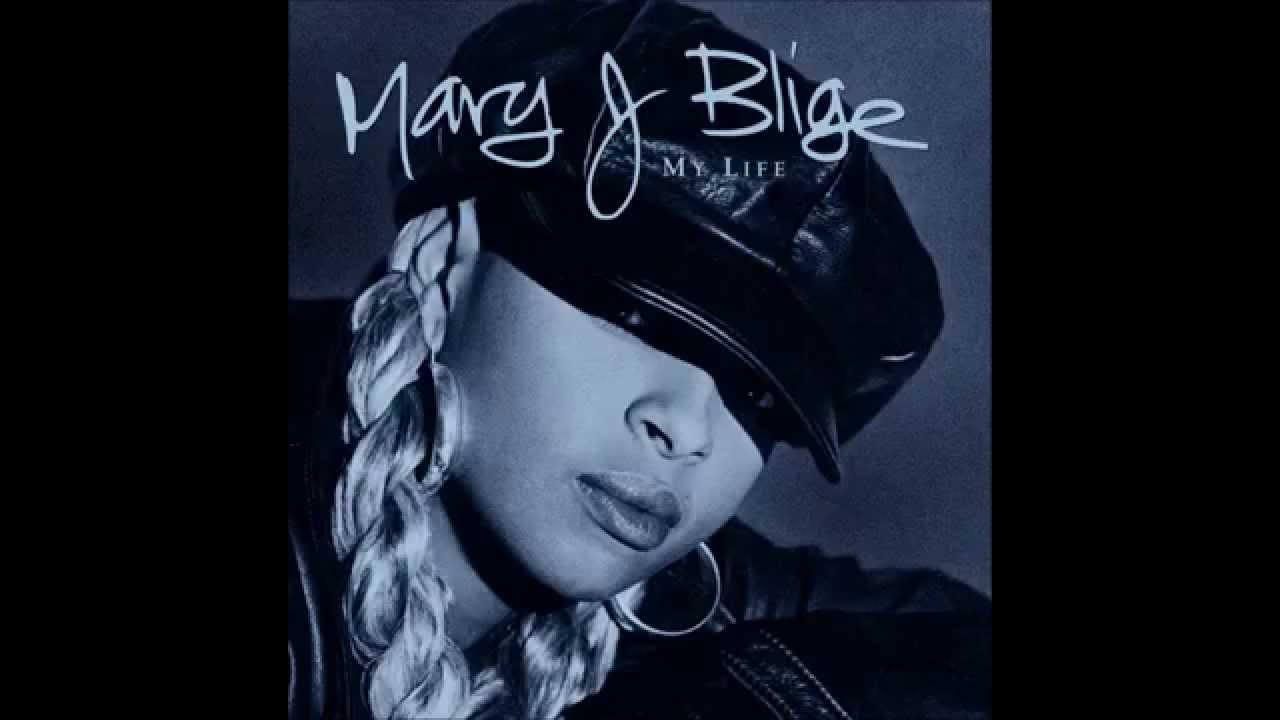
When you talk about the 1990s, you’re basically talking about the era where Mary J. Blige owned the soul of a generation. Honestly, there isn’t a single person who lived through that time who doesn’t have a specific memory tied to the crackle of a cassette tape or the smooth spin of a CD playing My Life. But if you dig past the massive radio hits like "Be Happy" or "I'm Goin' Down," you hit a specific kind of raw nerve with You Gotta Believe.
It’s a song that feels like a late-night conversation in a parked car while the heater’s running and the windows are starting to fog up.
Most people remember the mid-90s as the peak of the "Hip-Hop Soul" movement. Sean "Puffy" Combs was the architect, but Mary was the heartbeat. When You Gotta Believe dropped as part of that landmark sophomore album in November 1994, it wasn't just another R&B track. It was a plea. It was a prayer. It was basically Mary at her most vulnerable, which is saying a lot for an artist who basically invented the "vulnerable superstar" archetype.
The Raw Truth Behind You Gotta Believe
You can’t really understand this song without looking at what was happening in Mary’s world back then. She was hurting. Like, really hurting. The My Life album is famous for being a chronicle of clinical depression, substance abuse, and a toxic relationship that was playing out in the tabloids.
Mary has actually gone on record in recent years—specifically in her 2020 commentary and the My Life documentary—saying that You Gotta Believe was her way of begging for validation. She was in the booth, feeling incredibly insecure about her voice and her place in the world.
She wasn't just singing to a lover; she was singing to herself.
"Keep doing what you're doing," Big Bub told her during the sessions. That’s a real moment. Herb Middleton and Chucky Thompson were in there too, pushing her to find that grit in her tone. The song is actually a heavy collaboration. You’ve got writing credits from K-Ci Hailey, Faith Evans, and even Puffy himself. It’s wild to think about that much talent crammed into one studio, all working to capture the sound of a woman trying to keep her head above water.
Why the Production Still Slaps in 2026
If you listen to the track today, the first thing that hits you is that thick, sluggish bassline. It’s got that signature Chucky Thompson warmth. It doesn’t feel over-produced like a lot of the digital stuff we hear now. It feels organic. It feels like 1994 New York.
The credits list an "all-star" lineup that sounds like a 90s fever dream:
- Chucky Thompson on the keys.
- Herb Middleton handling all the instruments.
- Faith Evans and K-Ci Hailey on background vocals.
Think about that for a second. You have K-Ci—the man she was notoriously in a tumultuous relationship with—providing the very harmonies that back up her plea for him to believe in her. That’s not just music; that’s a real-time soap opera captured on 2-inch tape. It adds a layer of "wait, what?" to the lyrics that you just don't get with modern pop.
The song runs about five minutes, which is an eternity by today's TikTok-standard two-minute tracks. But it needs that time. It needs to breathe. It needs those long instrumental breaks where the mood just settles in your chest.
What Most People Get Wrong About the Meaning
A lot of casual listeners think You Gotta Believe is just another "I love you, please stay" song. It’s easy to write it off as standard R&B tropes. But that's a mistake.
Mary has explained that the song has evolved for her. Back then, it was about a person—about begging someone to see her worth. She was "begging to be believed." Today? It’s a song about self-preservation. It’s about the fact that if you don't believe in yourself, the world will absolutely chew you up and spit you out.
There’s a spiritual undertone to it that often gets missed. It’s gospel-adjacent. Mary’s roots are in the church, and you can hear it in the way she stretches out the notes on the word "believe." It’s a "clarion call," as some critics have described it, for anyone struggling with adversity.
The Lasting Legacy of the "My Life" Era
We’re over thirty years out from the release of this track, and it hasn't aged a day. Why? Because the emotion is "human-quality." It’s not polished to death.
When Mary J. Blige performed some of this material during her more recent tours, like the Gratitude era or her Super Bowl appearance, you could see the fans in the front row crying. They aren't crying because the beat is good. They’re crying because they lived through their own versions of You Gotta Believe.
This track didn't need a music video to become a staple. It didn't need a viral dance. It just needed to be honest. In a world where AI can now mimic a soulful voice, it still can’t mimic the specific crack in Mary’s voice when she hits the bridge of this song. That’s something you can’t program.
How to Truly Appreciate the Track Today
If you want to get the full experience, don't just stream it on a crappy phone speaker while you're doing the dishes.
- Get the Vinyl: The 25th-anniversary or the more recent re-presses of My Life capture the low-end frequencies that streaming often compresses.
- Listen to the Commentary: Seek out the 2020 "Commentary" version where Mary talks over the track. It changes the way you hear the lyrics.
- Watch the Documentary: The Amazon Prime documentary on My Life gives the visual context of the Yonkers projects and the Uptown Records madness that birthed this sound.
The next time you’re feeling like the world doesn't see you, put on You Gotta Believe. Listen to the way Mary fights through the notes. It’s a reminder that even the Queen of Hip-Hop Soul had to beg for a seat at the table once upon a time.
Go back and listen to the transition from "My Life" into "You Gotta Believe" on the original tracklist. Notice how the mood shifts from pure isolation to a tiny, flickering spark of hope. That’s the real magic of the album. It’s a masterclass in sequencing that modern playlists have almost completely destroyed.
To really get the most out of this era of music, you should compare this track to her later work like "No More Drama." You’ll hear the sound of a woman who finally stopped begging others to believe and started believing in herself.