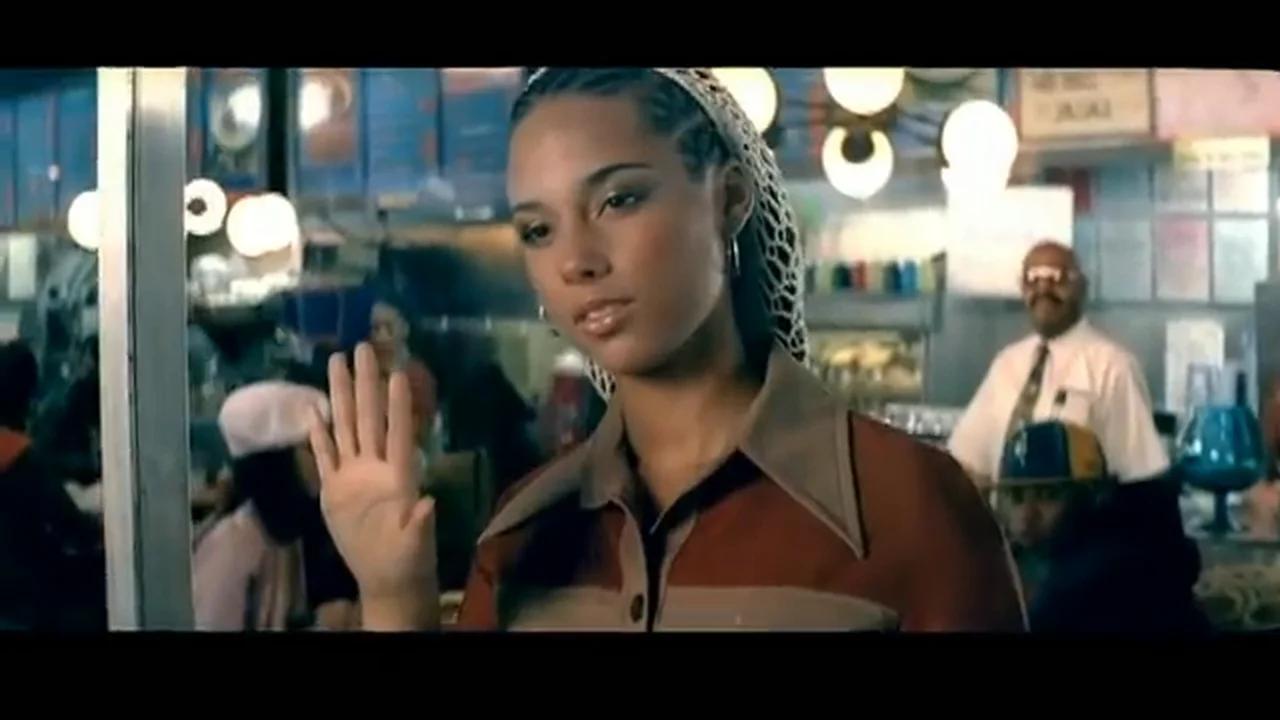
Alicia Keys was sitting on a plane when she heard the news. Aaliyah was gone. That moment, heavy with the realization of how fragile life is, shifted something inside her. It made her want to be present. It made her want to write something that felt like a heartbeat. That urgency eventually gave us You Don't Know My Name, a track that basically defined the vibe of 2003 and somehow still sounds like a fresh Sunday morning in Harlem today.
Honestly, it wasn’t just another R&B song. It was a whole short story. Meanwhile, you can find other events here: The Night the Monsters Came Back to the Multiplex.
You’ve got the piano. You’ve got that buttery soul sample. And then, there’s that phone call—the one every girl in the early 2000s tried to memorize. It’s a moment in time.
The Secret Ingredient: Kanye West and a 1975 Classic
Most people don't realize that You Don't Know My Name was one of the first major bridges between Alicia’s classical soul world and the "chipmunk soul" era of a young, hungry Kanye West. Kanye was still the "new guy" back then. He had so much to prove. He brought Alicia a sample from a 1975 track by The Main Ingredient called "Let Me Prove My Love to You." To understand the full picture, we recommend the recent analysis by The Hollywood Reporter.
If you listen to the original, it’s all there—the lush background vocals and that soaring melody. But Kanye and Alicia flipped it. They slowed it down. They made it ache.
The production wasn't just about loops. It was about texture. They layered in real strings—conducted by Ray Chew—and a bassline by Artie Reynolds that feels like it’s walking down a New York sidewalk. Even John Legend was in the booth doing background vocals before the world really knew his name. It was a powerhouse of talent before they were icons.
Why that "Let Me Prove My Love" sample worked:
- The Interpolation: The piano isn't just random; it actually interpolates Frédéric Chopin’s "Winter Wind" etude. Alicia, being a piano prodigy, breathed classical life into a hip-hop beat.
- The Soul Connection: The Main Ingredient was a Harlem staple. Sampling them for a song set in Harlem? That’s just good storytelling.
- The Mood: It captures that specific feeling of "pre-love"—the nerves, the watching from afar, the "should I or shouldn't I?"
That Infamous Phone Call (And why Mos Def was the perfect Michael)
We have to talk about the music video. Directed by Chris Robinson, it’s less of a video and more of a film. Alicia plays a waitress at the Pan Pan Diner on 135th and Lenox. She’s got the braids, the apron, and a massive crush on a guy named Michael, played by the legendary Yasiin Bey (then known as Mos Def).
The middle of the song just... stops.
The beat drops into this dreamy, hazy loop, and Alicia starts talking. "Hello... can I speak to... to Michael?" It’s awkward. It’s real. It’s sorta vulnerable in a way we don't see much in pop music anymore. She mentions he comes in every Wednesday, orders the special with the hot chocolate.
It was a bold move. Six minutes is a long time for a radio single. Most labels would have hacked that talking section out to keep it under four minutes, but Alicia insisted. She knew that the "waitress from the coffee house" persona was what made people connect with the song. It wasn't about being a superstar; it was about being a girl at work with a crush.
The Impact on The Diary of Alicia Keys
When You Don't Know My Name dropped on November 10, 2003, it wasn't just a hit; it was a pivot. Her first album, Songs in A Minor, was a monster success, but people wondered if she could do it again. Could she avoid the "sophomore slump"?
The answer was a resounding yes.
The song shot to the top five on the Billboard Hot 100. It stayed at the top of the R&B/Hip-Hop charts for eight weeks straight. More importantly, it won the Grammy for Best R&B Song in 2005. It proved that Alicia wasn't just a girl who could play piano; she was a producer and a visionary who could bridge the gap between 70s soul and modern hip-hop without losing her soul.
Interestingly, this track also paved the way for other artists. Years later, Lil Wayne would use the same strings from this session for his song "Comfortable" on The Carter III. The DNA of this one song spread through the industry like wildfire.
Why it still matters in 2026
Kinda wild, right? We live in an era of DMs and "liking" stories. The idea of actually calling someone you don't know that well—on a phone!—feels like a vintage relic. Maybe that’s why the song has stayed so popular. It represents a type of romantic bravery that feels lost.
It’s a masterclass in sampling. It’s a masterclass in vocal control.
Alicia doesn't over-sing here. She lets the melody breathe. She stays in that lower, huskier register that feels like a secret being whispered. It’s intimate.
If you want to dive deeper into the world of Alicia Keys, here is what you should do next:
- Listen to the sample: Go find "Let Me Prove My Love to You" by The Main Ingredient. It’ll give you a whole new appreciation for how Kanye and Alicia deconstructed the track.
- Watch the Unplugged version: Alicia’s MTV Unplugged performance of this song is arguably better than the studio version. The live strings and her interaction with the crowd bring the "Michael" story to life in a different way.
- Check the credits: Look up the liner notes for The Diary of Alicia Keys. You'll see names like Harold Lilly and Kerry "Krucial" Brothers, the architects of that early 2000s New York sound.
The song is more than a throwback. It’s a reminder that sometimes the best way to move forward is to look back at the soul that came before you.