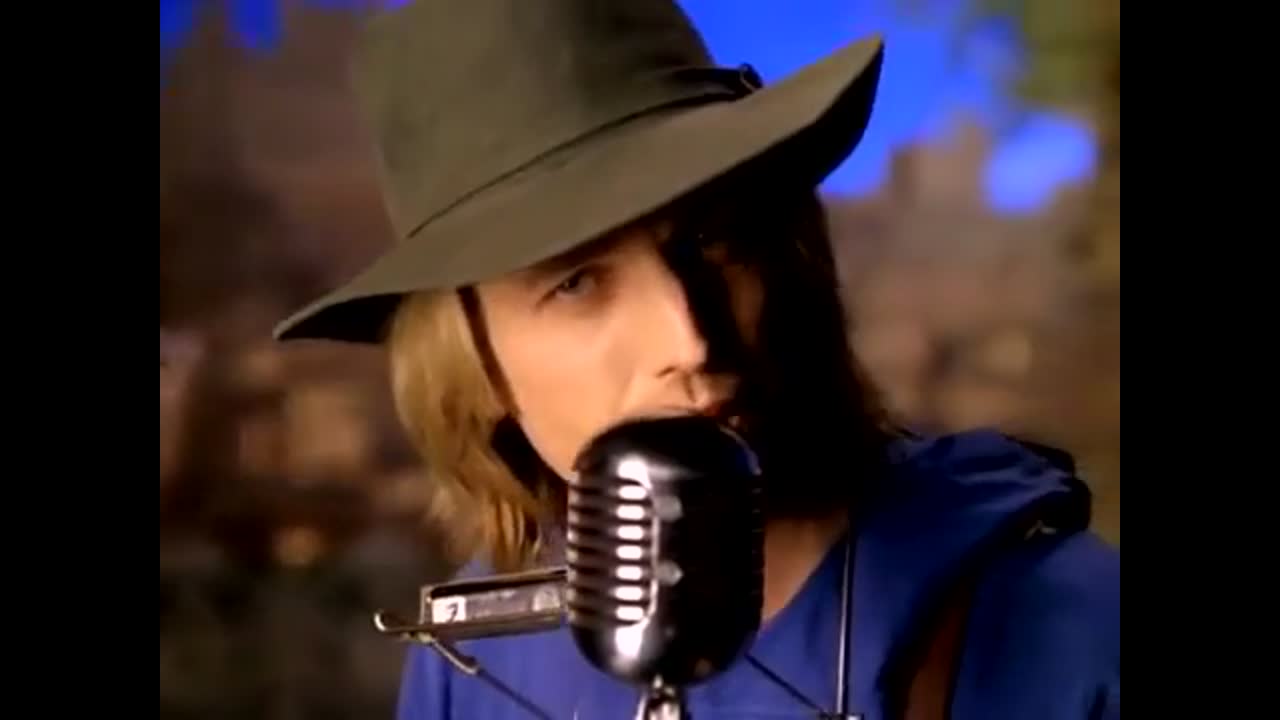
Tom Petty was sort of pissed off when he wrote it. Not screaming-at-the-wall pissed, but that low-simmering, "leave me the hell alone" frustration that comes when you’re pushing fifty and the world won't stop poking at you. People always misinterpret this track. They hear that lazy, dragging harmonica and the swampy drum beat and think it’s just a stoner anthem. Sure, the "roll another joint" line is legendary, but You Don't Know How It Feels is actually a deeply lonely song about the suffocating weight of fame and the desperate need for some goddamn peace and quiet.
It was 1994. Petty was transitioning. He was moving away from the Heartbreakers—at least legally and on the album cover—to record Wildflowers with Rick Rubin. The vibe was different. It was stripped back. It was dusty.
If you listen closely to the opening bars, there's this weirdly hypnotic, repetitive quality. Steve Ferrone’s drumming isn't flashy; it’s a heartbeat. Petty once mentioned in an interview with Paul Zollo that the song came together surprisingly fast. He wasn't overthinking it. He was just tired of being told who to be.
The Battle Over a Single Word
MTV and VH1 had a minor meltdown over the lyrics. You probably remember the radio edit where they back-masked the word "joint" or just played it in reverse so it sounded like a weird gulp. Petty found the whole thing hilarious and exhausting.
He wasn't trying to be a rebel. He was just being honest. To him, rolling a joint was just a way to "get to the point." It was a metaphor for stripping away the BS. But the censors didn't see it that way. They saw a middle-aged rock star encouraging the youth to get high. They missed the forest for the trees. The song isn't about the weed; it's about the isolation that makes you want to check out in the first place.
Why Wildflowers Changed Everything
The 90s were weird for 70s rock icons. Most of them were becoming "legacy acts," playing the hits and fading into the background. Petty refused. By teaming up with Rick Rubin, he found a way to sound more modern by sounding more ancient. You Don't Know How It Feels has this folk-rock DNA that feels like it could have been written in 1964 or 2024.
Rubin’s influence was massive. He pushed Petty to stop hiding behind the massive wall of sound that defined his 80s hits with Jeff Lynne. No more polished layers. No more shimmering synths. Just a man, a harmonica, and a bit of a grudge.
The song actually reached Number 13 on the Billboard Hot 100. That’s insane when you think about it. In an era dominated by Boyz II Men, Ace of Base, and the explosion of Grunge, this guy with a nasal voice and a harmonica was still dominating the airwaves. It stayed on the charts for 22 weeks. People felt it.
The Gear and the Sound
Musicians always obsess over how he got that specific thud on the drums and the crispness of the acoustic guitar. It’s actually pretty simple. They didn’t use many mics. They let the room breathe.
- The Harmonica: It's in the key of E. It’s sloppy on purpose. Petty wasn't trying to be Bob Dylan or Toots Thielemans. He wanted it to sound like a guy sitting on his porch at 2 AM.
- The Bass: Petty played the bass himself on the track. It’s melodic but heavy. It anchors the whole thing.
- The Lyrics: "My older brother was a restless soul / He could've been anything he wanted to be." That line hits different when you know Petty’s actual family history and the tension he grew up with in Florida.
Honestly, the song is a masterpiece of minimalism. There isn't a single wasted note. Every time the chorus hits, it feels like a release of pressure. "Let's get to the point, let's roll another joint." It's a call for radical honesty.
A Legacy of Being Misunderstood
It’s funny. We look back at You Don't Know How It Feels as this chill classic, but it was born out of a time of massive personal upheaval for Tom. His marriage was falling apart. He was feeling the itch to move on from the Heartbreakers structure. He was lonely.
When he sings "People come, people go / Some grow young, some grow cold," he’s not just waxing poetic. He’s watching his life shift in real-time. The song is a snapshot of a man realizing that, despite the millions of fans, nobody really knows what’s going on inside his head. That’s a universal feeling. That’s why it still works.
How to Listen to It Now
If you want to really "get" the song, don't listen to it on a crappy phone speaker. Put on some decent headphones. Listen to the way the snare drum rings out. Notice how Petty’s voice sounds slightly dry, almost like he’s whispering the verses directly to you because he doesn’t want the neighbors to hear.
The Wildflowers & All The Rest box set released a few years ago contains some demo versions that are worth a listen too. They show the evolution of the track—how it went from a basic idea to the cultural touchstone it is today. You can hear the "working man" aspect of Petty's songwriting. He was a craftsman. He clocked in, did the work, and left behind something that feels effortless.
Take Action: Exploring the Petty Catalog
Don't just stop at the radio hits. To truly understand the DNA of this era of music, do these three things:
- Listen to the full Wildflowers album start to finish. It’s arguably the best work of his career, and "You Don't Know How It Feels" serves as the perfect gateway.
- Watch the Somewhere You Feel Free documentary. It uses 16mm film shot during the recording sessions. You can actually see the moment they realized they had a hit on their hands.
- Check out the live versions from his final tour. His voice aged like fine wine, adding a layer of gravelly wisdom to those lyrics about growing old and cold.
The song isn't a relic. It's a reminder that it's okay to feel out of step with the rest of the world. Sometimes the most productive thing you can do is just sit back, ignore the noise, and get to the point.