Santa Claus is coming to town. It sounds like a threat, doesn't it? If you grew up in the West, those words are practically baked into your DNA before you can even tie your own shoes. You better watch out. You better not cry. It’s a song about a magical gift-giver, but when you actually listen to the lyrics, it sounds more like the script for a high-stakes surveillance thriller.
We’ve turned a 1930s jingle into a cultural mandate. This isn't just a song anymore; it's a psychological framework for how we handle the holidays. Honestly, the history of this specific phrase—and the song it belongs to—is way weirder than most people realize. It’s a mix of Great Depression-era hope, strict moral policing, and a surprisingly dark cinematic legacy that transformed a jolly old man into something we should, apparently, be terrified of.
The 1934 Origin Story Nobody Remembers
In the middle of the Great Depression, people were desperate for a distraction. Haven Gillespie and J. Fred Coots wrote "Santa Claus Is Comin' to Town" in 1934, and it became an overnight sensation after Eddie Cantor performed it on his radio show. Think about the timing. The world was falling apart. Poverty was everywhere. Then comes this song telling kids they better watch out because rewards are coming—but only if they’re perfect.
It was an instant hit. Within twenty-four hours, orders for the sheet music topped 100,000 copies. But look closer at those lyrics. The "watch out" part wasn't just a playful nudge. It was a reflection of the era’s parenting styles, which leaned heavily into the idea of "moral surveillance." He’s making a list. He’s checking it twice. He knows when you’re awake. In 1934, that was comforting. Today? It’s basically the plot of a dystopian sci-fi movie.
The phrase "you better watch out" has transitioned from a catchy lyric to a shorthand for seasonal anxiety. We’ve morphed the holiday into a month-long performance where children are told they are being watched by an omniscient entity. It’s a massive behavioral experiment we all just collectively agreed to participate in every December.
Why Horror Movies Obsess Over This Phrase
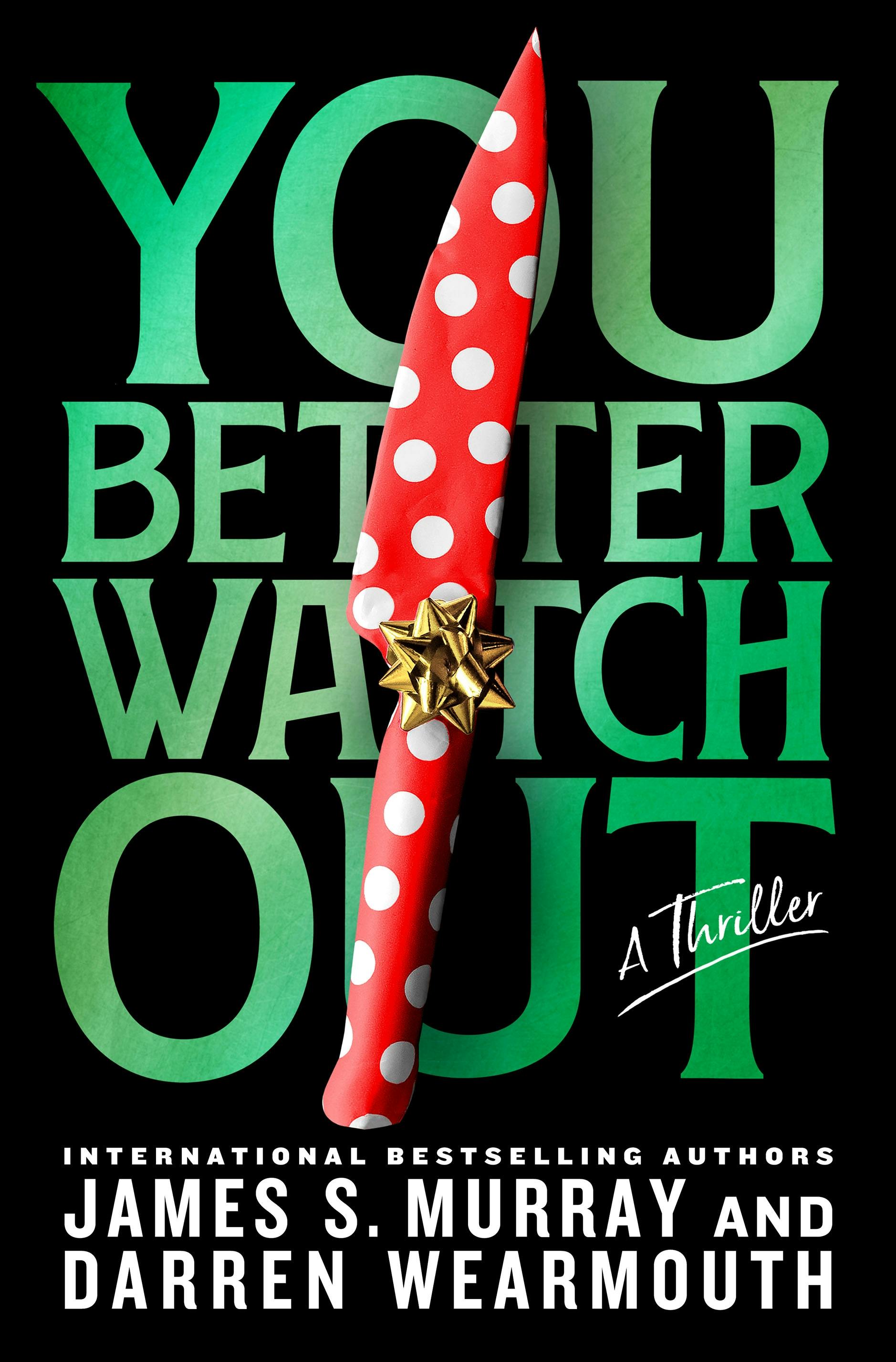
Pop culture eventually caught on to the inherent creepiness. If you’re a fan of the slasher genre, you know that the "Santa as a threat" trope is a cornerstone of holiday horror. The 1987 film You Better Watch Out (originally titled Christmas Evil) is a perfect example. It isn't just a cheap gore-fest; it’s a psychological study of a man who takes the "he's watching you" concept way too literally.
Director Lewis Jackson actually spent years trying to get that movie made. Even John Waters, the king of cult cinema, called it the "greatest Christmas movie ever made." Why? Because it subverts the safety of the holiday. It takes that warning—you better watch out—and turns it into a physical reality. When we see a killer in a red suit, the irony is what makes it stick. We’re told Santa is the ultimate symbol of goodness, but the song tells us he’s also the ultimate judge. That duality is fertile ground for horror.
Then you have the 1984 classic Silent Night, Deadly Night. That movie caused such a stir that parents literally picketed theaters. They weren't just mad about the violence; they were mad that the "watch out" warning was being weaponized against the innocence of the holiday. It tapped into a deep-seated fear that the person coming down the chimney might not be there to leave a bike.
The Psychological Toll of "He's Watching"
Let’s get real about the "Elf on the Shelf" phenomenon for a second. It’s basically the modern, physical manifestation of the song. Parents across the country spend thirty days moving a felt doll around their house to maintain the illusion of constant surveillance.
Psychologists have actually started weighing in on this. Some argue that telling kids "you better watch out" creates an extrinsic motivation for being "good" rather than an intrinsic one. Basically, kids aren't being nice because it's the right thing to do; they're being nice because they don't want to get caught by the narc on the mantel.
Dr. Kristen Dunfield, a researcher in developmental psychology, has noted that this kind of "monitoring" can be a lot for a kid to process. Imagine being told that a magical being is tracking your every move, even when you're sleeping. It’s a lot of pressure for a five-year-old. We’ve normalized a level of scrutiny in the name of holiday "magic" that we would find horrifying in any other context.
The Evolution of the Lyrics
The song has been covered by everyone. Seriously. From Bing Crosby to Bruce Springsteen to Justin Bieber. But each artist brings a different energy to that opening warning.
- Bing Crosby (1943): Soft, grandfatherly, almost like a gentle piece of advice.
- Bruce Springsteen (1975): It sounds like a party. He’s laughing, the band is crashing, and the warning feels like an invitation to a massive celebration.
- The Crystals (1963): Produced by Phil Spector, this version turns the warning into a Wall of Sound masterpiece. It’s frantic and high-energy.
Interestingly, the more modern the cover, the more we tend to lean into the "jolly" aspect to mask the "creepy" lyrics. We use uptempo brass sections and jingling bells to distract from the fact that we’re singing about a guy who knows our sleep schedules and moral failings. It’s a fascinating bit of cognitive dissonance that happens every time the radio switches to the 24/7 holiday format in November.
Fact-Checking the "Naughty List"
There’s a common misconception that the "list" is a centuries-old tradition. It’s not. While the historical Saint Nicholas—a 4th-century Greek bishop—was known for secret gift-giving, the idea of a formal "naughty and nice" list is a much more recent invention.
The 1823 poem A Visit from St. Nicholas (commonly known as 'Twas the Night Before Christmas) doesn't mention a list. It doesn't mention watching kids while they sleep. It focuses on the "extraordinary" nature of the visit. The list-making, judge-and-jury version of Santa really solidified in the American consciousness through Thomas Nast's 19th-century illustrations for Harper's Weekly and, eventually, Haven Gillespie's lyrics.
We’ve essentially codified a myth through a pop song. It shows the power of a catchy hook. If Gillespie hadn't written those specific words in 1934, our modern concept of Christmas might be entirely different. We might focus more on the "giving" and less on the "observing."
The Global Variations of the Warning
If you think "you better watch out" is intense, look at European folklore. Krampus is the literal "bad cop" to Santa's "good cop." In Alpine traditions, if you don't watch out, you don't just lose out on toys; you get stuffed into a sack and beaten with birch sticks.
In Iceland, you have the Yule Cat, a giant beast that eats people who didn't receive new clothes for Christmas. Compared to that, a song telling you to "not cry" seems pretty tame. The American version of the holiday warning is actually a sanitized, corporate-friendly version of much darker European roots. We took the threat of physical harm and turned it into the threat of social and material disappointment.
Actionable Insights for the Modern Holiday
So, how do you handle the "You Better Watch Out" energy without ruining the fun?
First, de-emphasize the surveillance. You can talk about Santa’s generosity without making him sound like a private investigator. Shift the narrative from "he's watching you" to "he loves to celebrate kind people." It changes the motivation from fear to appreciation.
Second, acknowledge the history. If you’re a trivia nerd, knowing that the song was written during the Depression adds a layer of empathy to it. It wasn't written to scare kids; it was written to give them a reason to hope for something better during a really dark time in history.
Third, limit the "naughty list" threats. Using Santa as a disciplinary tool is a short-term fix that can lead to some weird anxieties. Kids are smart; eventually, they realize the toys show up regardless of that one meltdown in the grocery store in mid-November.
Finally, enjoy the kitsch. The "creepy" side of Christmas is part of the fun. Embrace the horror movies, laugh at the weird lyrics, and realize that "you better watch out" is just a tiny part of a massive, complicated, and deeply human tradition.
The next time you hear those opening chords on the radio, remember that you’re listening to a piece of history that survived a world war, a depression, and a dozen cultural shifts. It’s a warning, sure, but it’s also a reminder of how much we value the idea of being seen—and the hope that, despite our flaws, someone is still coming to town with something good for us.
Next Steps for Your Holiday Season: Check out the 1934 Eddie Cantor radio recording to hear the song's original vibe. If you're feeling brave, watch the 1980 film Christmas Evil to see the ultimate cinematic deconstruction of the "watch out" trope. Most importantly, try shifting your holiday language away from "he's watching" toward "we're giving," and see if the atmosphere in your house feels a little less like a courtroom and a little more like a celebration.