Honestly, if you grew up anywhere near a radio in the late 2000s, those opening guitar strums are basically hardwired into your brain. You know the ones. They feel like a Friday night in a small town. You Belong With Me isn't just a song; it's a cultural pillar that helped turn Taylor Swift from a country-curious teenager into a global powerhouse. But here’s the thing: despite it being one of the most streamed and analyzed tracks in history, there’s a lot about its origin and its "villain" that people still mix up.
It’s easy to look back now and think of it as a calculated pop move. It wasn’t.
The Overheard Phone Call That Started Everything
Most people assume Taylor wrote this about a guy she was personally pining for at Hendersonville High. That's actually not the case. The real spark for You Belong With Me came from a moment of pure empathy. Taylor was hanging out when she overheard a male friend—a member of her touring band—getting absolutely grilled by his girlfriend over the phone.
The guy was being defensive. The girlfriend was "going off" about something he’d said.
Taylor felt for him. She started thinking about how that girl clearly didn't "get" his humor or his story the way she did. In a classic songwriting session with the legendary Liz Rose, Taylor blurted out the line about short skirts and T-shirts. They finished the song in about two hours.
Short Skirts vs. T-shirts: The Underdog Narrative
There is a persistent critique that the song is "anti-feminist" or "pick-me" behavior. You've probably seen the think pieces. Critics argue it pits women against each other—the "cool, nerdy girl" vs. the "evil cheerleader."
But if you look at the lyrics through the lens of a sixteen-year-old in 2008, it’s less about hating other women and more about the universal feeling of being invisible.
- The Cheer Captain: Symbolizes the standard of "perfection" that feels unattainable.
- The Bleachers: Represents the sidelines where most of us actually live.
- The Humor: The narrator isn't claiming to be prettier; she's claiming to be a better intellectual and emotional fit.
That distinction matters. It’s why the song still works. It taps into that specific, agonizing ache of knowing someone’s soul while they’re busy chasing someone else’s surface.
The Music Video and the "Double" Taylor
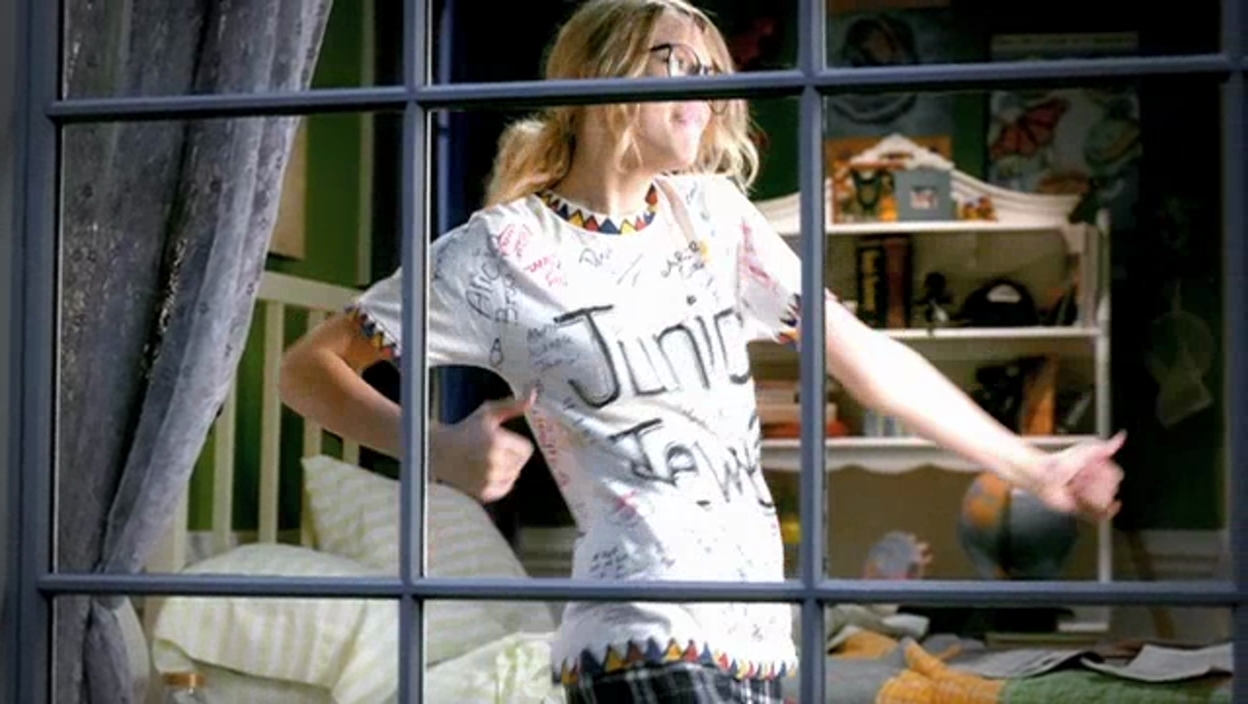
Roman White directed the iconic video, and it’s basically a short film. Lucas Till (who later became MacGyver and Havok in X-Men) played the boy next door. But the real masterstroke was having Taylor play both roles: the protagonist, "nerdy" Taylor in glasses, and the antagonist, the brunette, mean-girl cheerleader.
Doing this was sort of a meta-commentary. It showed that the "rivalry" was internal.
Fun fact: The "You Belong With Me" video is the one that started the infamous 2009 VMA incident. When Taylor won Best Female Video, Kanye West interrupted her to say Beyoncé had "one of the best videos of all time." It was a mess. But that moment, however awkward, solidified the song’s place in the history books.
Why "Taylor’s Version" Hits Differently
When Taylor re-recorded the track for Fearless (Taylor’s Version) in 2021, fans went into a frenzy comparing the two. There are some tiny, nerdy details that are different:
- Vocal Maturity: The original 2008 version has a slight "squeak" and a heavy Nashville country twang. In 2021, her voice is richer, more supported, and the accent is almost entirely gone.
- The Instrumentals: The drums in the re-recording are punchier. The "wall of sound" production is cleaner, making it feel less like a garage band and more like a stadium anthem.
- The Emotion: Some fans argue the new version lacks the raw, teenage "angst" of the original. Others think the 30-something Taylor singing about high school feels like a nostalgic hug.
Basically, if you want the "I’m currently crying in my room" vibe, go for the 2008 version. If you want the "I’ve processed my trauma and I’m a billionaire now" vibe, the 2021 version is your go-to.
The Chart Stats That Don't Lie
This song didn't just do "well"—it broke the system. It was the first country song to ever hit number one on the Billboard Radio Songs chart since they started tracking that data in 1990. It peaked at number two on the Hot 100, only held back from the top spot by The Black Eyed Peas' "I Gotta Feeling."
It has been certified 7x Platinum. People aren't just listening to it; they're living in it.
What Most People Miss: The Secret Message
Remember the old CD booklets? Taylor used to hide secret messages in the lyrics by capitalizing random letters. For You Belong With Me, the hidden message was: "Love is blind, so you couldn't see me."
It’s a bit on the nose, sure. But it perfectly encapsulates the "invisible girl" trope that Taylor mastered early in her career.
What to do next
If you're looking to dive deeper into this era of music history, here is how you can actually "experience" the track in 2026:
- Listen for the "Sigh": Go to the 2021 version and listen closely to the bridge. There’s a breathy quality Taylor added that wasn't there in the original, highlighting her improved vocal control.
- Watch the VMA Performance: Find the video of her performing this on a New York City subway and then on top of a yellow cab. It is 2000s kitsch at its absolute finest.
- Check the Credits: Look up Liz Rose. She co-wrote many of Taylor's early hits. Understanding Liz’s "story-first" approach to songwriting explains why these lyrics feel so much like a diary entry.
Ultimately, the song isn't about winning a guy. It’s about the hope that someone will finally "wake up" and see you for who you really are. That's a feeling that doesn't have an expiration date.



