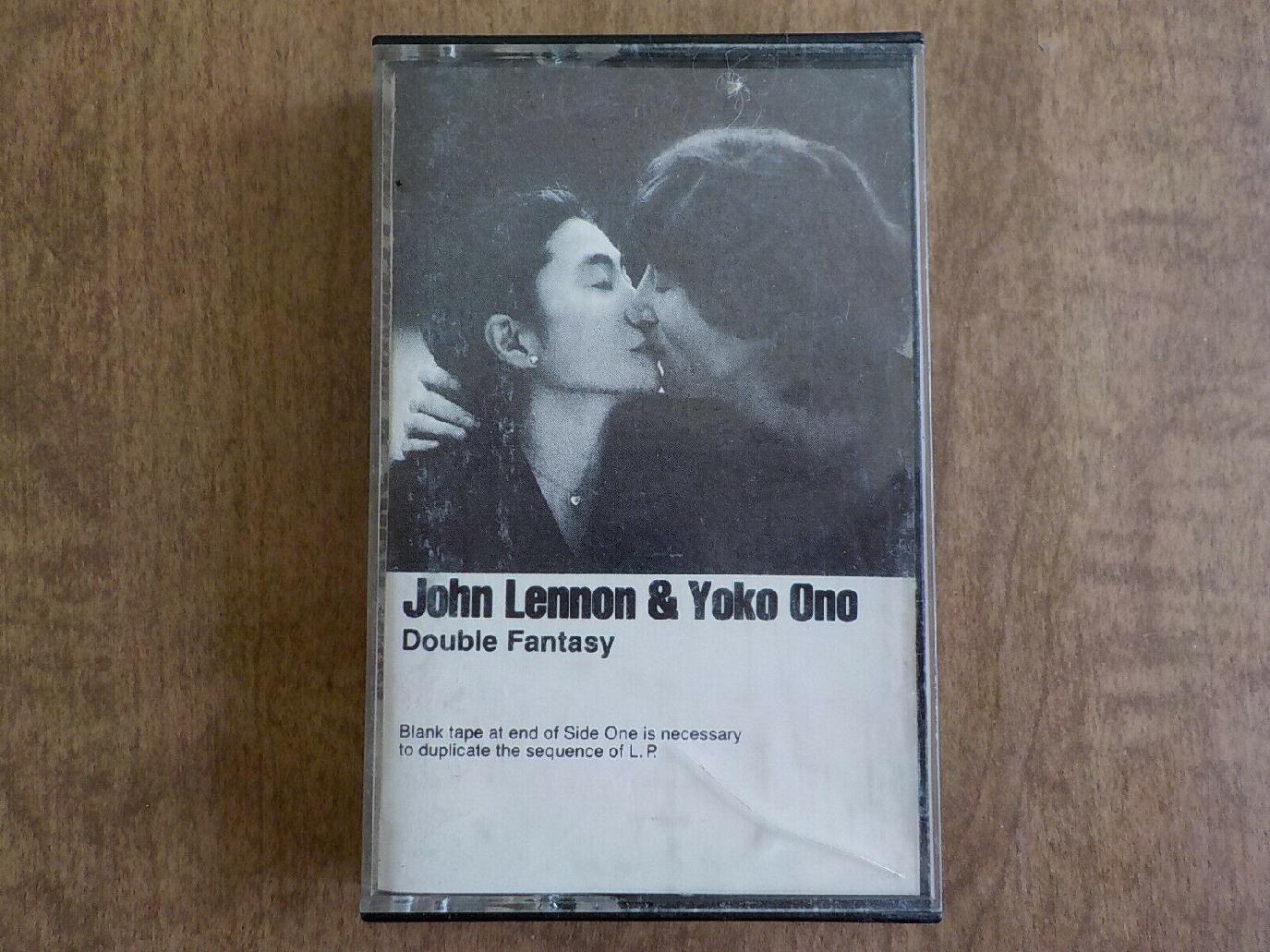
Honestly, the history of Yoko Ono Double Fantasy is kind of a mess of revisionist history and collective trauma. If you look at the charts today, or see it listed on "Greatest Albums of All Time" lists, it looks like a triumphant return. But that wasn't the reality at all. When the needle first hit the wax in November 1980, the music world didn't exactly throw a parade.
They were actually kind of mean about it. For a deeper dive into this area, we recommend: this related article.
It’s easy to forget that John Lennon had been essentially invisible for five years. He was baking bread. He was raising Sean. He was, by his own admission, a "househusband." So when he finally surfaced with Yoko Ono Double Fantasy, the expectations were astronomical. People wanted Strawberry Fields Forever. They wanted political fire. Instead, they got a "Heart Play"—a conversational dialogue between a husband and wife who were very much in love and very much into being middle-aged.
The critics? They hated it. For broader context on this development, comprehensive analysis can be read at The Hollywood Reporter.
Charles Shaar Murray over at NME basically told John to shut his "big happy trap." The consensus was that the album was too domestic, too "slick," and—this is the part that still stings—that Yoko’s contributions were an interruption to the "real" music.
The Dialogue Most People Skipped
The structure of the album is actually its most daring feature. It isn’t a John Lennon album with a few guest spots. It’s a literal back-and-forth. John sings a song, Yoko answers. John expresses a fear; Yoko offers a response.
If you skip Yoko’s tracks, you aren't just being a hater—you're actually missing the plot.
The album was inspired by a specific flower Lennon saw in the Bermuda Botanical Gardens: a freesia called "Double Fantasy." To him, it represented the synchronized dream of two people.
What the critics missed in 1980
- The New Wave Edge: While Lennon was leaning into 1950s rock-and-roll pastiches like (Just Like) Starting Over, Yoko was listening to the B-52s and Lene Lovich. Her tracks like Kiss Kiss Kiss are arguably more "modern" for 1980 than John's.
- The "Stripped Down" Reality: Producer Jack Douglas has mentioned in several interviews how they tried to keep things professional, but the intimacy kept leaking in. There’s a version released in 2010 called Double Fantasy Stripped Down that removes a lot of the 80s gloss. It’s haunting.
- The Prophetic Sadness: There’s a line in Watching the Wheels where John talks about people telling him he's crazy for "doing nothing." It feels like a man who had finally found peace, only to have it ripped away three weeks after the release.
Why the album changed overnight
We have to talk about December 8, 1980.
Everything changed. Suddenly, those "sedate" and "smug" songs about domestic bliss became a final will and testament. The album shot to Number 1. The reviews were rewritten. The "yawn" became a masterpiece.
Is it a masterpiece? Well, it’s complicated.
Musically, it’s very 1980. The production is clean, the session musicians (like bass legend Tony Levin) are top-tier, and the melodies are undeniably catchy. But the real weight of Yoko Ono Double Fantasy comes from its vulnerability. It’s an album about the mundane parts of love—cleaning up after a party, watching your kid sleep, trying to reconnect after a "lost weekend."
The "Makin' Whoopee" Scandal
Hardcore fans might remember that the album even faced a weird legal hurdle. Yoko's song Yes, I'm Your Angel was actually sued for $1 million because it sounded a little too much like the 1920s standard Makin' Whoopee. It was eventually settled, but it added to the chaotic legacy of the record.
How to listen to it today
If you want to actually "get" this album in 2026, you have to stop treating it like a Beatles record. It’s not. It’s a concept piece about a marriage.
Don't skip the Yoko tracks. Seriously. Songs like I'm Moving On and Every Man Has a Woman Who Loves Him provide the friction that makes John's "sweeter" songs work. Without the grit of Yoko’s avant-garde pop, John’s stuff almost feels too sugary. Together, they create a balance.
Actionable ways to explore the legacy:
- Listen to the 2010 Stripped Down version first. It removes the heavy 80s reverb and makes John’s voice feel like he’s in the room with you.
- Check out the "Milk and Honey" sessions. This was the follow-up album they were working on when John died. It’s rougher, more "live," and gives you a sense of where they were going next.
- Read "Life Is What Happens" by Kenneth Womack. It’s one of the best deep dives into the making of the album and separates the myths from the actual studio logs.
The true tragedy of Yoko Ono Double Fantasy isn't just that it was John's last album. It's that it was supposed to be the beginning of a whole new chapter where the world finally accepted them as a creative duo. We never got to see what they would have done next. All we have is this "heart play," frozen in time, caught between the backlash of critics and the grief of a generation.
To really appreciate the record, try to hear it as if it’s just a couple of people talking to each other in a room. Because, basically, that's all it ever was.



