It was 2013. You couldn't walk into a mall, a gym, or a wedding in India without hearing that heavy, synthetic bassline. The hook was everywhere. Blue Eyes by Yo Yo Honey Singh didn't just top the charts; it basically swallowed them whole. Even now, over a decade later, the song remains a bizarre, fascinating time capsule of the "Desi Kalakaar" era.
But why?
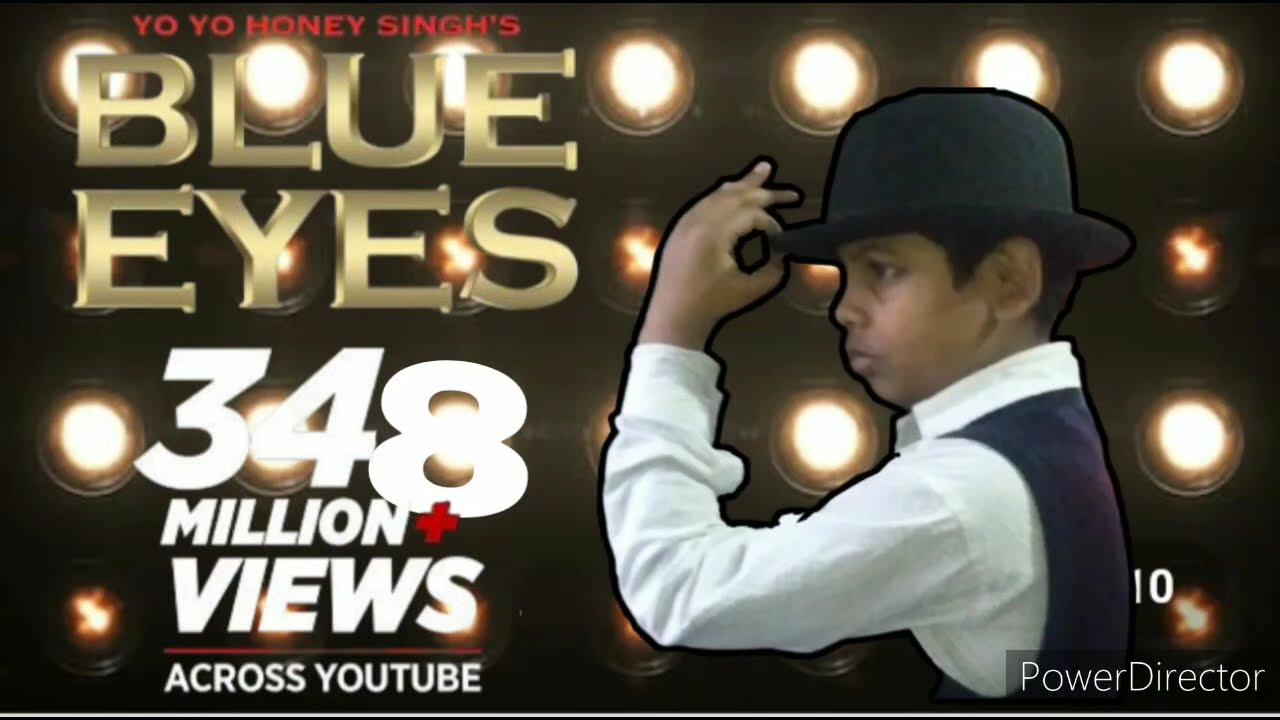
Honestly, looking back at the lyrics, they’re kinda ridiculous. We’re talking about a song that rhymes "hypnotize" with "blue eyes" in the most straightforward way possible. Yet, it worked. It worked so well that it currently sits with hundreds of millions of views on YouTube, cementing Honey Singh’s status as the most polarizing figure in Indian pop history.
Some people call it a masterpiece of commercial production. Others think it’s the peak of cringe. Both are probably right.
Why Blue Eyes Hit Differently in the 2010s
The music industry in 2013 was transitioning. We were moving away from the standard Bollywood "item song" toward a more independent, rapper-led pop culture. Honey Singh was the face of this shift. He wasn't just a singer; he was a brand. When Blue Eyes dropped, it wasn't just about the music—it was about the spectacle.
The production was sleek. It had that signature "Honey Singh" sound—a mix of West Coast hip-hop beats and Punjabi-inflected Hindi vocals.
I remember the first time I heard it. The beat felt expensive.
At a time when most Indian pop songs felt like they were trying too hard to be "global," Blue Eyes felt unapologetically local but with a high-end finish. The music video, featuring Gizele Thakral, was shot in Dubai. It looked like a million bucks. Literally. The high-contrast visuals and the choreographed dance moves became a template for every "bad boy" rapper who followed in Singh's footsteps.
The Controversy and the "Blue" Confusion
Let’s address the elephant in the room. Why "Blue Eyes"?
South Asia isn't exactly known for a massive population of blue-eyed individuals. This sparked a lot of conversation (and memes) at the time. Was it an obsession with Eurocentric beauty standards? Or was it just a catchy rhyme? Honey Singh has never been one for deep lyrical metaphors. He writes for the club. He writes for the car speakers.
"Blue eyes, hypnotize teri kardi ai mennu..."
It’s simple. It’s repetitive. It’s effective.
Interestingly, many fans didn't know that the song faced its fair share of criticism. Activists and critics often pointed toward Singh's lyrics across his discography as being problematic. While Blue Eyes was relatively tame compared to some of his leaked or underground tracks, it still carried that "alpha male" bravado that defined his career. You've got to admit, the way he delivers the lines is incredibly confident. That confidence is what sold the track.
The Production Secrets of the Track
Technically speaking, the song is a masterclass in "earworm" construction.
The BPM sits right in that sweet spot for dancing—not too fast that it’s frantic, not too slow that it’s a ballad. It’s a mid-tempo banger. The synth hook is layered. If you listen closely with good headphones, you’ll hear multiple textures of bass. There’s a sub-bass layer that hits you in the chest, and a mid-range growl that gives the song its "grit."
Honey Singh handled the music, the lyrics, and the vocals.
This was the height of his "one-man army" phase. The vocal processing is heavy—lots of pitch correction and doubling to give it that robotic, futuristic sheen. It wasn't about "soulful singing." It was about "vibe."
- Release Date: October 2013
- Label: T-Series
- Director: Gifty
- Style: Desi Hip-Hop / Pop
The director, Gifty, played a massive role in why this song became a visual staple. Gifty knew how to frame Singh to make him look like a superstar. Every shot in the Blue Eyes video is designed to emphasize power and wealth. Expensive cars? Check. Luxury locations? Check. Backup dancers that look like they’re from a Step Up movie? Double check.
The Aftermath and the Comeback
After Blue Eyes, Honey Singh’s career went through a massive rollercoaster. He disappeared from the scene for a long time due to health issues and personal struggles. During his absence, the Indian hip-hop scene evolved. Rappers like Raftaar, Badshah, and the "Gully Boy" movement (Divine and Emiway) took over.
When people talk about the "OG" of the modern era, though, the conversation always goes back to 2013.
The song Blue Eyes is often cited by newer artists as the moment they realized a non-film song could be bigger than a Bollywood movie track. It broke the monopoly of the film industry. You didn't need Shah Rukh Khan or Salman Khan on screen to have a national hit. You just needed a beat and a hook.
There’s a weird nostalgia for this era now.
On TikTok and Instagram Reels, Blue Eyes regularly makes a comeback. Gen Z, who were kids when the song came out, are now using it for transition videos. It’s ironic, really. A song that was once the "coolest" thing on the radio became "cringe," and has now circled back to being "retro-cool."
How to Appreciate the Song Today
If you’re listening to it for the first time in 2026, don’t go looking for Bob Dylan-level poetry. You’ll be disappointed.
Instead, listen to the arrangement. Notice how the drums drop out right before the chorus hits. That’s classic tension and release. Look at the way the bridge slows down the tempo before the final explosion of sound. It’s pop music science.
The song also serves as a reminder of the power of "The Hook." In an era of short attention spans, Honey Singh knew how to grab you in the first 10 seconds. He didn't waste time with long intros. He went straight for the throat.
Actionable Takeaways for Music Fans
If you're a fan of the genre or an aspiring creator, there are a few things to learn from the Blue Eyes phenomenon:
- Prioritize the Hook: In the digital age, if you don't catch the listener immediately, they're gone.
- Visual Consistency: The "look" of the Blue Eyes video was as important as the audio. Branding matters.
- Cross-Generational Appeal: Simple lyrics often age better in a "pop" sense because they are easier to remember and repurpose for new social media trends.
- Embrace the Polarity: Don't be afraid to make something that people either love or hate. The middle ground is where songs go to die.
To truly understand the landscape of Indian pop, you have to go back to this track. It represents the bridge between the old-school Indi-pop of the 90s and the massive, streaming-dominated hip-hop scene we have today. It’s loud, it’s flashy, and it’s unapologetically Honey Singh.
To get the full experience, go back and watch the original 1080p video on a large screen. Notice the color grading. Look at the fashion—the oversized watches and the leather jackets. It’s a perfect snapshot of what the world thought "cool" looked like in 2013. Whether you love it or hate it, you can't deny its impact. It changed the game. Period.