Life is long. Most movies aren't. We usually expect cinema to trim the fat, to give us the highlights of a person's existence and skip the "boring" parts where people stare out of windows or drive home in silence. Then there is Yi Yi.
Directed by the late, legendary Edward Yang, this 2000 Taiwanese drama is nearly three hours long. It’s often tagged as a "slow-burn" or an "intimate epic." But honestly? That makes it sound like homework. If you’ve been searching for the yi yi full movie hoping for a standard plot-driven flick, you’re looking at it all wrong. This isn't just a movie about a family in Taipei. It’s basically a mirror. It shows you the parts of your own life you’re usually too busy to notice.
Why Yi Yi Still Matters Twenty-Five Years Later
Most "important" films from the early 2000s feel dated now. The technology looks clunky, or the social politics have shifted. Yet, Yi Yi (which translates to "One One" or "A One and a Two") feels like it was filmed yesterday. Why? Because Edward Yang wasn't interested in trends. He was interested in the human condition, which, as it turns out, doesn't change much.
The story follows the Jian family. There’s NJ, a middle-aged father who is tired—just fundamentally, spiritually tired. His wife, Min-Min, has an existential breakdown and joins a mountain retreat because she realizes she has nothing new to say to her comatose mother. Their daughter, Ting-Ting, is navigating the messy, sharp edges of first love. And then there’s Yang-Yang.
Yang-Yang is the heart of the film. He’s an eight-year-old who starts taking pictures of the backs of people's heads. Why? Because they can’t see them. He wants to show people the half of reality they are missing.
The Myth of the "Slow" Movie
People complain that yi yi full movie is too slow. It’s 173 minutes. That’s a lot of time to sit still. But the pacing isn't slow because Yang didn't know how to edit; it’s slow because life is slow.
Yang uses long, static takes. He often films through glass, reflections, or doorways. You’re not just watching a scene; you’re eavesdropping. It’s voyeuristic in the most compassionate way possible. You see the father, NJ, reconnecting with an old flame in Tokyo, and you feel the weight of every "what if" they never acted on. There are no villains here. Just people making choices and living with the quiet, humming consequences.
Where to Find the Yi Yi Full Movie Legally
If you’re trying to track down a high-quality version of this masterpiece, don't settle for a grainy rip on a pirate site. You lose the entire point of Yang’s meticulous cinematography if you’re watching a 360p file.
- The Criterion Channel: This is the gold standard. They have the 4K restoration, and it includes a commentary by Yang himself and the critic Tony Rayns.
- Google Play & Apple TV: You can usually rent or buy it here for a few bucks. It’s worth the price of a coffee.
- BFI Player (UK): For those across the pond, the British Film Institute often carries it.
Seriously, watch the restored version. The way Yang uses the fluorescent lights of Taipei at night is incredible. If you watch a bad copy, those colors just look like mud.
Common Misconceptions About the Ending
Some people find the ending of Yi Yi frustrating because it doesn't "resolve" everything in a neat bow. NJ goes back to his life. The grandmother dies. The cycle continues.
But that’s the wisdom of the film. It starts with a wedding and ends with a funeral. It covers the entire spectrum. At the funeral, Yang-Yang gives a speech to his grandmother. He says he feels old too. It’s a heartbreaking, beautiful moment that reminds you that children see way more than we give them credit for. They aren't just "little adults" in training; they are observers of the truth we’ve grown too cynical to acknowledge.
How to Actually Experience This Film
You can't "half-watch" Yi Yi. You can't have it on in the background while you scroll through your phone. If you do, you’ll miss the tiny details—the way a reflection of a train moves across a character's face, or the specific sound of rain in a Taipei courtyard.
Here is how you should actually watch it:
- Block out the time. Don't start it at 11:00 PM when you're exhausted. Start it on a Sunday afternoon.
- Turn off the lights. Treat your living room like a theater.
- Don't look for "action." Look for transitions. Watch how Yang moves from a scene of a baby being born to a scene of a businessman contemplating a deal.
- Listen. The sound design is legendary. The hum of the city is its own character.
Yi Yi was Edward Yang’s final film before he passed away in 2007. It serves as a perfect final word. It tells us that while we might only see half the truth, the act of trying to see the other half—the back of the head, the hidden regret, the silent joy—is what makes us human.
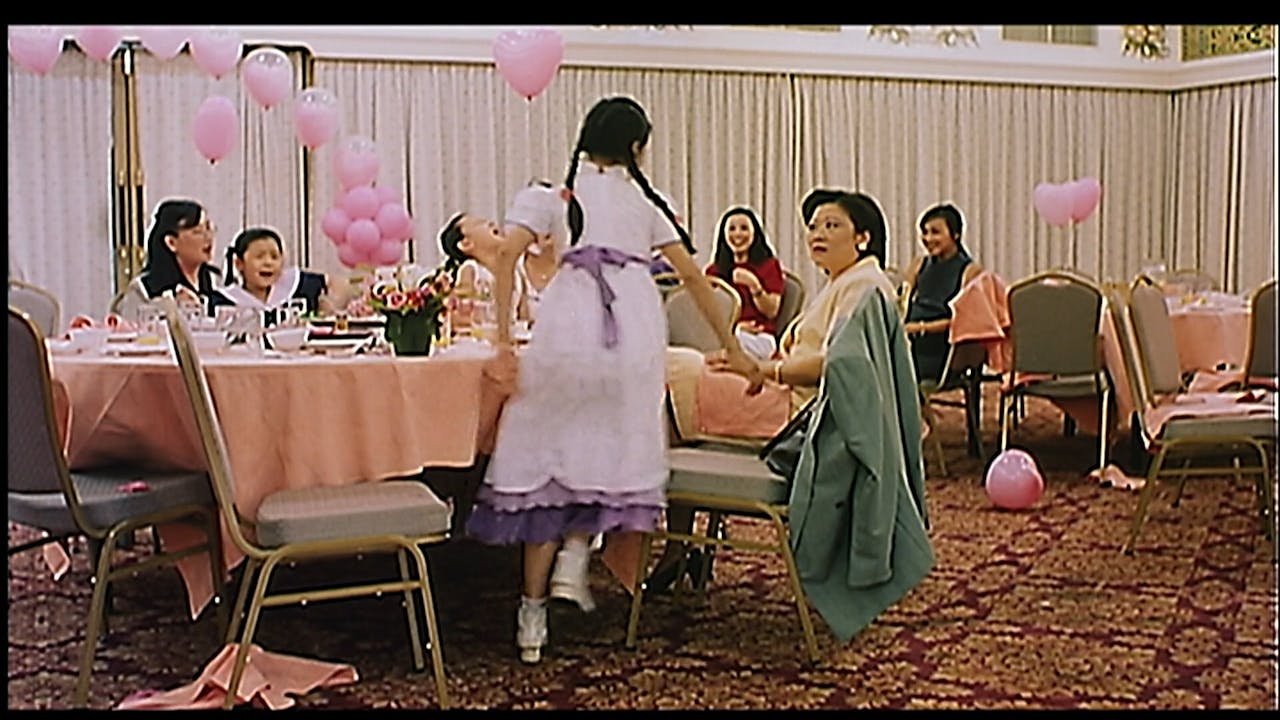
If you want to understand why critics consistently vote this as one of the best films of the 21st century, just watch the first ten minutes. The wedding scene tells you everything you need to know about every character before they even speak a word of dialogue. It’s pure, visual storytelling.
Actionable Next Steps: Check your local library’s digital catalog (like Kanopy or Hoopla); they often have the yi yi full movie for free with a library card. Once you've watched it, look up Edward Yang’s other masterpiece, A Brighter Summer Day, to see how his style evolved from sprawling historical epics to the intimate family drama of Yi Yi.