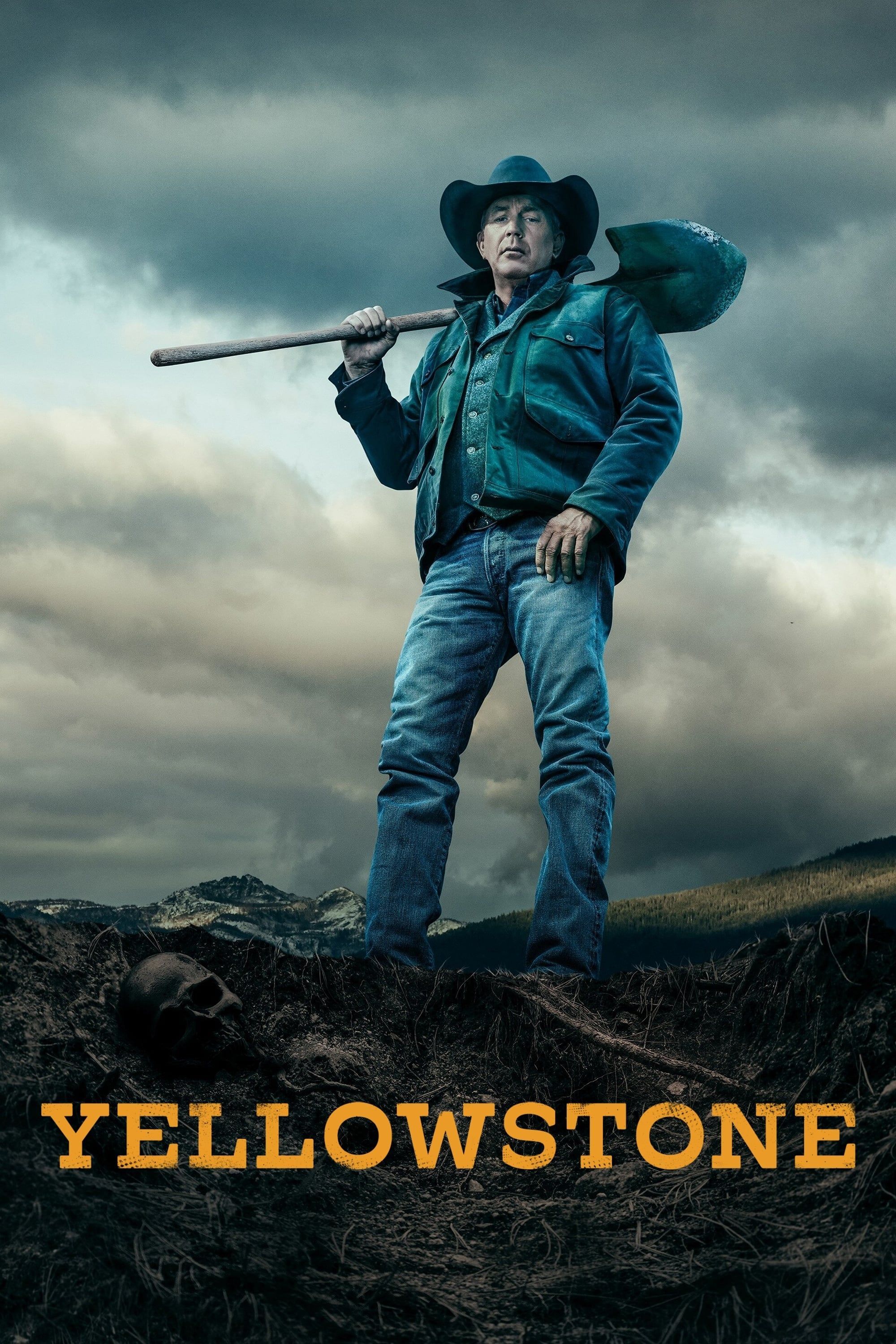
It sounds like a writer’s fever dream. In the Taylor Sheridan universe, the Yellowstone train station is where the Dutton family takes their enemies to "disappear." You know the scene: a dark canyon, a long drop, and a cold-blooded goodbye. It’s a place where the law doesn’t reach. Most viewers watch that and think it's just dramatic TV fluff, but honestly? The scary part is that the concept is based on a terrifyingly real legal "Zone of Death."
The show portrays the Yellowstone train station as a roadside pull-off just over the Wyoming border into Idaho. In the series, it's a specific patch of land where no one lives and no jury can be formed. If you’ve seen the show, you know John Dutton and Rip Wheeler treat it like a private graveyard. But while the "Train Station" name is a fictional label, the constitutional crisis it represents is something legal scholars have been screaming about for nearly two decades.
The Real-Life "Zone of Death" in Yellowstone
You've gotta look at the geography to understand why this works. Yellowstone National Park is massive. It’s so big that it spills out of Wyoming and into tiny slivers of Montana and Idaho. This is where things get weird. Back in the day, Congress put the entire park under the jurisdiction of the U.S. District Court for the District of Wyoming.
That sounds like a boring administrative detail. It’s not.
Because the Idaho portion of the park is federally part of the Wyoming district, a crime committed there creates a constitutional paradox. The Sixth Amendment guarantees you a right to a jury from the state and district where the crime happened. For a crime in that specific 50-square-mile Idaho strip of Yellowstone, the jury would have to be from Idaho (the state) and Wyoming (the federal district).
The population of that strip? Zero.
How Professor Brian Kalt Found the Loophole
This isn't just Reddit theorizing. Professor Brian Kalt, a law professor at Michigan State University, published a paper in 2005 titled "The Perfect Crime." He realized that if someone committed a felony in that uninhabited Idaho sliver, the government couldn't constitutionally seat a jury. You can't have a trial without a jury, and you can't have a jury if no one lives there.
Kalt actually tried to get Congress to fix this. He warned them. He wrote letters. He basically said, "Hey, someone could literally get away with murder here."
Congress did nothing.
When Yellowstone premiered, it took this obscure legal quirk and gave it a name: the Yellowstone train station. In the show, the Duttons use it because they know the jurisdictional nightmare makes it a black hole for investigators. In reality, while the FBI would still investigate a disappearance, the actual prosecution would hit a brick wall the second it reached a courtroom.
Is the Train Station Actually in Idaho?
In the show, the characters mention they are crossing the state line. They drive out of the Wyoming side of the park and into a desolate area. If you’re looking for the real-world equivalent of the Yellowstone train station, you’re looking at a remote, rugged section of the park near the Bechler River.
It’s not a literal train station. There are no tracks. There are no tickets.
It's just woods, cliffs, and silence.
The show uses the term "train station" as a euphemism, kinda like how mobsters talk about "taking a walk" or "sleeping with the fishes." It’s branding for a burial ground. But for the thousands of fans who travel to Wyoming every year, the search for the "real" location has become a bit of an obsession.
The Belous Case: A Near Miss with the Loophole
We actually have a real-world example of this loophole being tested, though it wasn't for murder. In 2005, a guy named Michael Belous illegally shot an elk in the Montana section of Yellowstone. This isn't the Idaho "Zone of Death," but it’s a similar "Zone of Confusion" because the Montana sliver of the park only has a handful of residents.
The court tried to seat a jury, but they struggled to find enough people who lived in that specific intersection of state and district. Belous eventually took a plea deal, partly because the judge brushed off the constitutional argument. But many legal experts think that if it had been a capital murder case—where the stakes are life or death—the Sixth Amendment challenge would have been much harder for the government to ignore.
The Yellowstone train station works on TV because the Duttons are dumping bodies of people who won't be missed. In the real world, the "Zone of Death" remains a terrifying "what if."
Why the Loophole Hasn't Been Fixed
You’d think after a hit TV show highlighted a way to get away with murder, the government would move fast. They haven't.
Fixing the Yellowstone train station problem is actually simple. Congress just needs to redraw the district lines so the Idaho part of the park belongs to the District of Idaho and the Montana part belongs to the District of Montana. That’s it. One sentence of legislation.
But why hasn't it happened?
- Bureaucracy: It’s a low priority for a busy Congress.
- Lack of Precedent: Until a high-profile murder actually happens there, it’s seen as a theoretical problem.
- Jurisdictional Pride: Sometimes states and districts get weirdly protective of their boundaries, even if they don't have people living in them.
So, for now, the legal "black hole" remains. The Dutton family’s favorite dumping ground is grounded in a reality that most people find hard to believe. It's a rare case where Hollywood didn't have to invent the drama—they just gave a name to a flaw in the American legal system.
Practical Takeaways and Insights
If you're fascinated by the Yellowstone train station or the legal reality behind it, there are a few things you should keep in mind about how the law actually functions in National Parks.
- Federal Jurisdiction is Absolute: Even if a jury can't be seated, you are still under federal law. The FBI handles major crimes in Yellowstone. They will still arrest you, hold you, and make your life a living hell while the lawyers fight over the jury issue.
- The "Zone of Death" isn't a License to Kill: Professor Kalt himself has warned people not to try this. He’s noted that a judge might find a way to "import" a jury or use other legal maneuvers to ensure a trial happens. You'd essentially be the guinea pig for a Supreme Court case.
- Respect the Park: The real Yellowstone is a beautiful, dangerous wilderness. Most "disappearances" in the park aren't because of the Duttons; they’re because people underestimate the terrain, the wildlife, or the weather.
The best way to engage with this lore is to visit the park as a tourist. Stick to the boardwalks. If you want to see the area that inspired the Yellowstone train station, head toward the southwest corner of the park—the Bechler region. It’s known as the "Cascade Corner" because of all the waterfalls. It’s stunning, remote, and a great place for a hike, provided you stay on the right side of the law.
To see the actual filming locations used for the show’s "Train Station" scenes, you'll actually have to leave the park entirely. Most of those scenes were filmed on location in Montana, specifically around the Sula and Darby areas, far from the actual Idaho border. The show captures the vibe of the wilderness perfectly, even if the geography is a bit scrambled for the sake of the plot.
If you're planning a trip to see these spots, check the seasonal road closures. Much of the high country is inaccessible for half the year. Use the official National Park Service app to track trail conditions, and remember that "Train Station" or not, the real law of the land in Yellowstone is Mother Nature.
Next Steps for Your Yellowstone Research
- Read the Original Paper: Look up "The Perfect Crime" by Brian Kalt. It’s surprisingly readable for a legal document and explains the Yellowstone train station logic in deep detail.
- Visit the Southwest Corner: If you want to see the real "Zone of Death," plan a trip to the Bechler Ranger Station. It’s the most remote part of the park.
- Monitor Legal Updates: Follow legal blogs like Volokh Conspiracy where scholars occasionally track whether Congress is finally moving to close the Yellowstone loophole.



