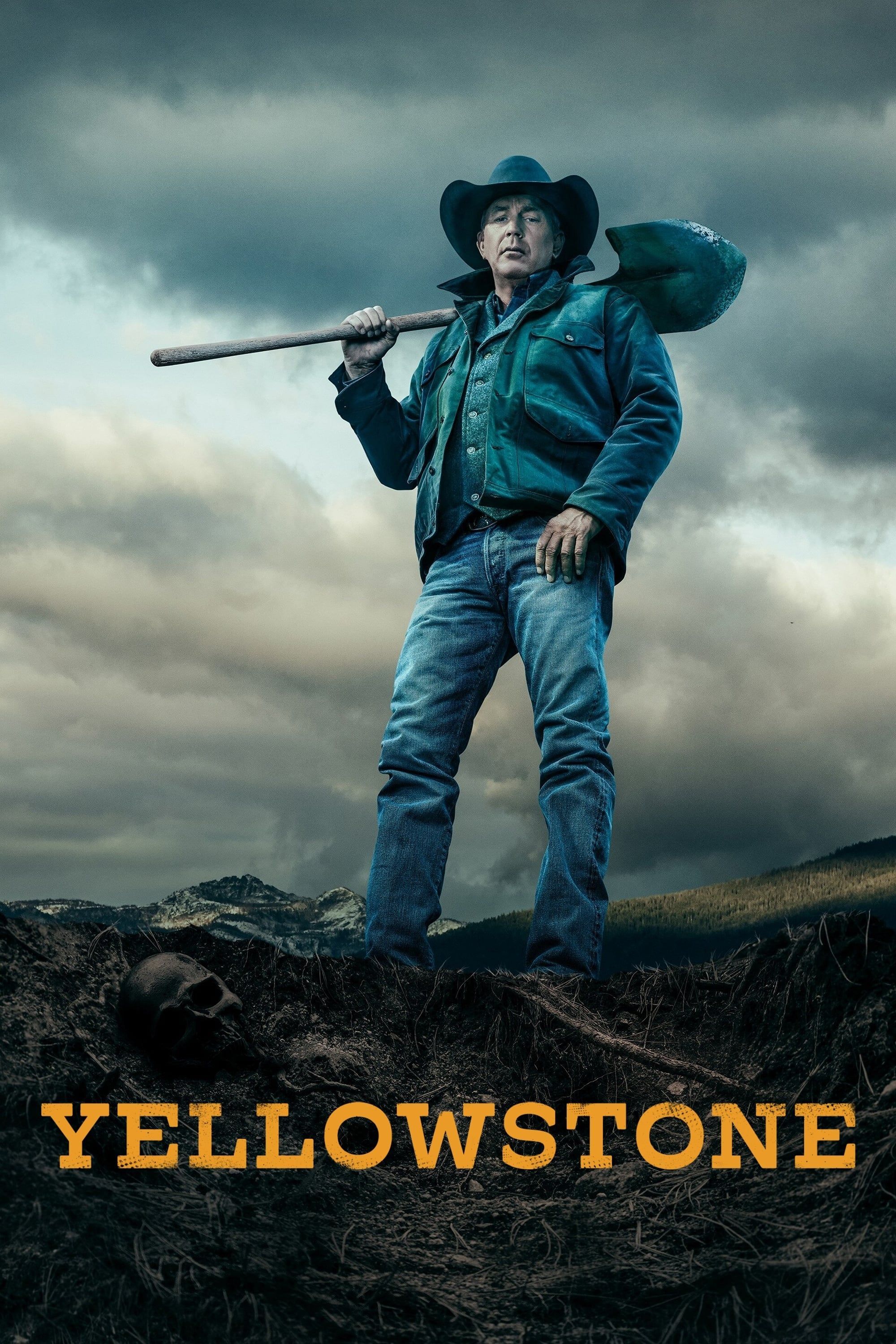
John Dutton doesn't like change. If you've watched even ten minutes of the show, you know that. But looking back at the Yellowstone season 3 episodes, it’s clear this was the exact moment the series stopped being a niche neo-Western and turned into a global obsession. It wasn't just the scenery. It was the shift from localized ranch squabbles to a literal war for the soul of Montana.
People forget how slow the burn was initially. Season 1 was gritty. Season 2 was violent. But Season 3? That’s where Taylor Sheridan decided to break the world he built.
The Summer Camp Before the Storm
The season kicks off with "You’re the Indian Now," and honestly, it’s one of the most peaceful stretches of television the Duttons ever get. They set up a summer camp. They move the cattle. There’s this lingering sense of "maybe things will be okay," which is always a red flag in this show. For most of the early Yellowstone season 3 episodes, the threat isn't a militia or a rival rancher—it’s a corporation called Market Equities.
Enter Roarke Morris. Josh Holloway plays him with this punchable, smug charm. He’s fly-fishing in a river he doesn’t own, representing a multi-billion dollar entity that wants to build an airport right in the middle of the Yellowstone. This is where the stakes get real for the average viewer. We might not all own 200,000 acres of land, but we all understand the feeling of a big corporate machine rolling over the little guy.
Beth and Jamie: The Revelation That Changed Everything
If you ask any fan what they remember most about the Yellowstone season 3 episodes, they won’t say the cattle. They’ll say episode seven, "The Beatless Thoroughfare." This is where we finally get the backstory on why Beth hates Jamie with such a radioactive intensity.
It’s brutal.
We find out that when they were teenagers, Beth got pregnant. She went to Jamie for help. He took her to a clinic on the reservation where they required sterilization for the procedure, and he didn't tell her. He let it happen. It’s a staggering piece of writing because it makes Jamie irredeemable to some and a tragic figure to others. He was a kid trying to protect the family name, but he destroyed his sister's life to do it. This isn't just "drama." It’s a Shakespearean level of dysfunction that fuels every single interaction for the rest of the series. Kelly Reilly’s performance here is basically a masterclass in controlled rage. You can see the moment the last bit of warmth for her brother leaves her eyes.
Market Equities and the Death of the Old West
The middle chunk of the season—episodes like "Cowboys and Dreamers" and "All for Nothing"—really hammers home the "New West" vs. "Old West" theme. The Duttons are fighting a ghost. You can’t shoot a hedge fund. Well, you can, but it doesn't solve the problem.
Chief Thomas Rainwater and John Dutton find themselves in this weird, shaky alliance. It’s the "enemy of my enemy" trope, but executed with nuance. They both want the land preserved, even if they disagree on who should hold the deed. It’s a fascinating look at the politics of land grab.
Then there’s Wade Morrow.
The sub-plot with the old buffalo hunter turned corporate mercenary is pure Yellowstone. It leads to one of the most graphic scenes in the show’s history—the reclaiming of the brand. When the bunkhouse boys go after Wade and his son, it’s a reminder that beneath the suits and the legal injunctions, this is still a show about frontier justice. It’s ugly. It’s personal.
The Finale That Broke the Internet
We have to talk about "The World is Purple."
The Season 3 finale is arguably the best cliffhanger in modern television history. In a span of about ten minutes, the entire Dutton family is systematically targeted for assassination.
- Beth gets a package. An office-leveling bomb goes off.
- Kayce is in his office, and gunmen burst through the door while he’s on the phone with Monica.
- John is on the side of the road helping a woman change a tire, and a van pulls up to riddle him with bullets.
The image of John Dutton sitting in the dirt, his cell phone in his shirt pocket having taken a bullet for him, is iconic. He pulls it out, and it’s shattered. It’s a metaphor for their entire way of life. The modern world (the phone) tried to kill him, but it also kind of saved him, but now everything is broken.
Most people don't realize that the "who did it" mystery wasn't just a gimmick. It was a way to reset the board. Was it Jamie? Was it Market Equities? Was it the militia from Season 2 looking for revenge? The writers played it perfectly.
Why Season 3 Still Matters in 2026
Looking back from the perspective of later seasons, the Yellowstone season 3 episodes act as the bridge. Before this, the show was about protecting a ranch. After this, it became about survival.
It also solidified the "Bunkhouse" as the heart of the show. We got more Jimmy, more Rip, and more of that camaraderie that balances out the intense misery of the Dutton family dinner table. Colby and Teeter’s relationship starts to bloom here, providing a much-needed breath of fresh air amidst the assassinations and land grabs.
The pacing of this season is also unique. It feels like a long, hot summer. There’s a lot of sitting on porches and looking at mountains. It’s beautiful to look at, which makes the explosive violence of the finale feel even more jarring. It’s a violation of the peace they tried so hard to build in the first episode.
Tactical Takeaways for Your Next Rewatch
If you’re going back through the Yellowstone season 3 episodes, pay attention to the small things. Notice how John starts to realize he’s losing his grip on his kids. Watch the way the lighting changes in the scenes between Jamie and his biological father, Garrett Randall.
To get the most out of the experience:
- Watch Episode 7 and Episode 10 back-to-back. The emotional devastation of the Beth/Jamie reveal makes the chaos of the finale feel earned.
- Look at the background. The show spent a lot of money on cinematography this season, and it shows. The landscape isn't just a setting; it's a character that's being threatened.
- Track the "Brand." This season clarifies what it means to be branded. It’s not just a mark; it’s a debt. The scenes with Walker returning and being forced back into the fold show the dark side of that loyalty.
The Duttons didn't win in Season 3. They barely survived. And that’s exactly why we couldn't stop watching. They were finally vulnerable. For the first time, the "Kings of Montana" looked like they were one bad day away from losing everything. It turns out, that day arrived in a white van on a lonely highway.
Start your rewatch by focusing on the "Bunkhouse" dynamics in the first three episodes. It sets the stakes for why the ranch is worth saving in the first place, beyond just the money or the dirt. Seeing the genuine friendship between the hands makes the later violence against them feel much more personal. Observe how Lloyd acts as the anchor; his perspective often mirrors the audience’s own realization that the world is changing too fast for any of them to keep up. Take note of the music too—the soundtrack in Season 3 heavily leaned into Americana and Red Dirt country, which perfectly underscored the theme of a fading way of life. Get a good pair of headphones for the finale; the sound design of the explosion and the subsequent silence is hauntingly well-done.



