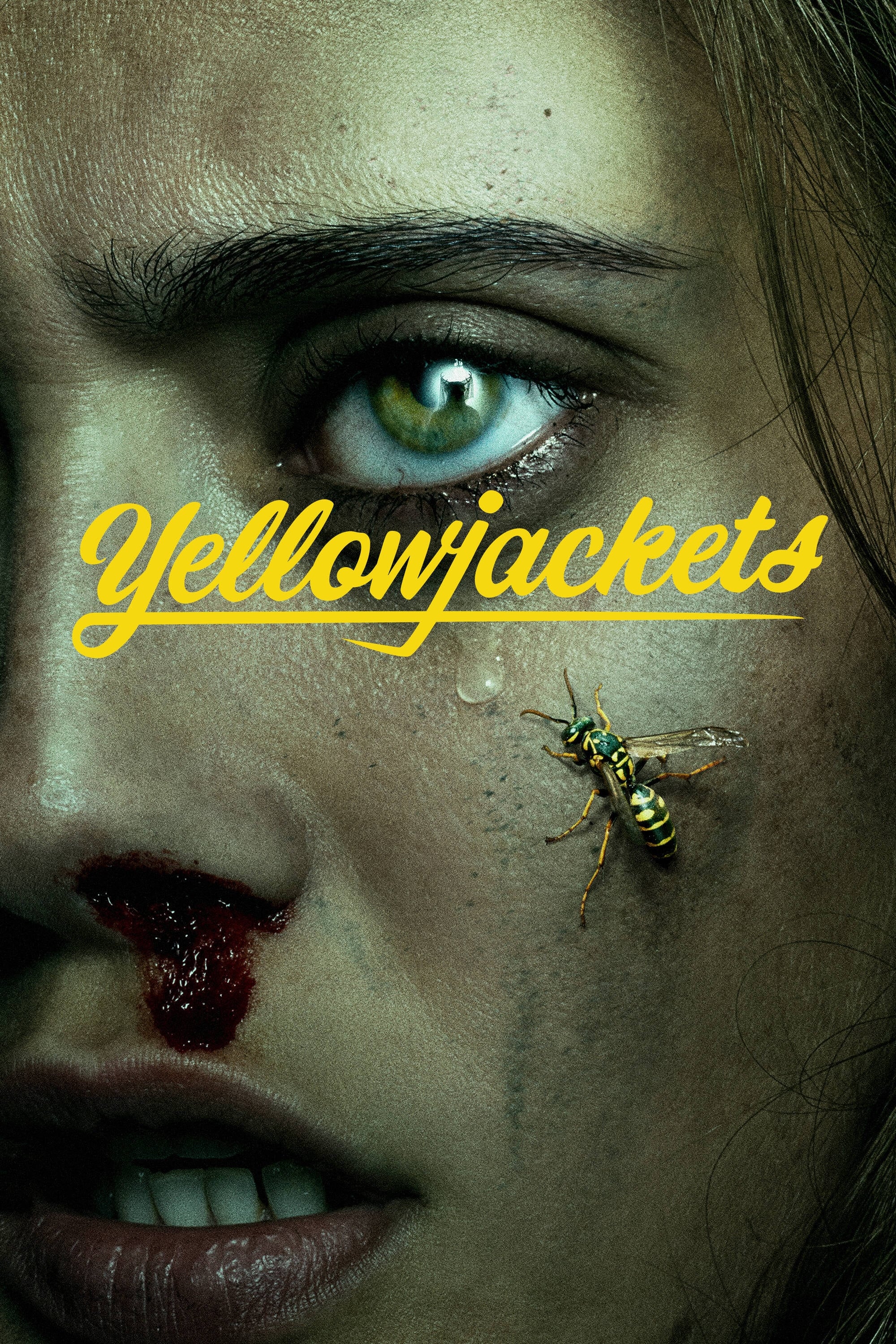
You’re sitting on your couch, watching a group of high school soccer players navigate the aftermath of a horrific plane crash in the Canadian wilderness. One minute, it’s a nostalgic 90s teen drama filled with flannel shirts and Mazzy Star. The next, someone is being chased into a pit of wooden spikes. Then, suddenly, we’re in the present day, watching a group of traumatized middle-aged women cover up a murder while drinking bad wine. It makes you wonder: what genre is Yellowjackets, exactly?
Trying to label this show is like trying to catch a rabbit in the woods with your bare hands. It’s slippery. It's messy. Honestly, it’s a bit of a nightmare for people who like their TV shows to stay in one lane. Ashley Lyle and Bart Nickerson, the creators, didn't just pick a genre; they threw five or six of them into a blender and hit "pulse."
The result is a show that feels like Lord of the Flies met Desperate Housewives and then got into a car wreck with The Blair Witch Project. To understand why it works—and why it’s so addictive—we have to tear apart the different layers of its DNA.
The Psychological Survival Horror Core
At its most basic level, the show is survival horror. But it’s not the "monster in the closet" kind of horror. Well, mostly.
When people ask what genre is Yellowjackets, the survival aspect is usually the first thing they point to. We see the 1996 timeline where the girls are starving. They’re freezing. They’re starting to look at each other as if they might be delicious. That’s classic survivalist fiction. It taps into that primal fear of what humans become when you strip away grocery stores and societal rules.
But then the horror shifts. It becomes psychological. Is there actually a "Darkness" in the woods, or are they just experiencing a collective psychotic break brought on by trauma and starvation? The show plays with this ambiguity constantly. When Lottie stands in front of a stump and "talks" to the wilderness, the show doesn't tell you if she’s psychic or schizophrenic. It leaves you hanging. This ambiguity is a hallmark of "elevated horror," a term critics love to use for movies like Hereditary or The Witch.
It’s scary because of what it says about the human mind. The horror isn't just the blood; it’s the realization that these girls—and these women—are capable of anything.
A Brutal Deconstruction of the Teen Drama
Remember Dawson’s Creek? This isn't that.
However, Yellowjackets uses the tropes of the 90s teen drama to hurt us. We have the internal hierarchies of a sports team. There’s the "Queen Bee" Jackie, the sidekick Shauna, the rebel Natalie, and the weirdo Misty. In a normal teen show, their biggest problem would be who’s going to prom or who cheated on a chemistry test.
In this genre mashup, those petty high school grievances become life-or-death stakes. Shauna’s jealousy of Jackie isn't just a plot point for a dramatic hallway confrontation; it becomes the catalyst for survival choices that haunt them for decades. The show leans heavily into the "coming-of-age" genre, but it twists it. Instead of coming of age into adulthood, they are coming of age into savagery.
The 1996 timeline captures that specific flavor of 90s angst. It uses the music—Garbage, PJ Harvey, Hole—not just as background noise, but as a tonal anchor. It reminds the audience that before they were survivors, they were just kids. This makes the eventual cannibalism (which the show teased from the very first episode) feel much more tragic. You aren't just watching monsters; you're watching teenagers who were forced to become monsters.
The Mystery Box and the Dual-Timeline Narrative
If you loved Lost, you’re probably already obsessed with the mystery elements here.
The show is a "puzzle box" narrative. We are constantly asking:
- Who is the Antler Queen?
- What does the symbol mean?
- How many of them actually made it out alive?
- Who is sending the postcards in the present day?
This puts the show firmly in the mystery/thriller category. The dual-timeline structure is a brilliant tool for this. By showing us the broken adults in the present (played by powerhouses like Melanie Lynskey and Juliette Lewis), the show creates a massive "information gap." We know where they ended up, but we don't know how they got there.
Every episode in the 2021 timeline drops a breadcrumb about what happened in the woods. This keeps the audience theorizing. It’s the kind of show that spawns 40-minute YouTube breakdown videos and massive Reddit threads dedicated to analyzing the height of the actors to figure out who was under the furs in the pilot episode.
Wait, Is It a Black Comedy?
This is the part that surprises people.
Despite the gore and the ritualistic sacrifices, Yellowjackets is often hilarious. In a very dark, twisted way. Most of this humor comes from the adult timeline, specifically from Misty Quigley. Christina Ricci plays adult Misty with a chipper, terrifying energy that is pure dark comedy.
Think about the scene where the adult women are trying to dispose of a body and they’re arguing about the logistics as if they’re planning a book club meeting. That’s "gallows humor." It’s a coping mechanism for the characters, but it’s also a specific genre choice by the writers. It prevents the show from becoming too grim or self-important.
By injecting humor, the creators allow the audience to breathe. It’s a "dramedy" of the most macabre sort. You’re laughing at something horrible, and then you feel bad for laughing, which is exactly where the show wants you.
The "Southern Gothic" Vibes in the Northern Woods
Even though it’s set in the Canadian wilderness and New Jersey, the show borrows heavily from the Southern Gothic genre.
Southern Gothic is characterized by:
- Macabre settings.
- Deeply flawed, "grotesque" characters.
- A sense of decaying social structures.
- Buried secrets and ancestral trauma.
The "Cabin in the Woods" is a classic Gothic trope. It represents a domestic space that has been corrupted. The presence of the "Hunter"—the skeleton found in the attic—suggests that the girls aren't the first ones to be claimed by this place. There is a sense of "folk horror" here too, similar to movies like Midsommar. The girls start creating their own mythology, their own gods, and their own rituals to make sense of their suffering.
When they put on those animal masks and furs, they are leaning into a primitive, ritualistic genre that feels ancient. It’s about the "old gods" of the forest. This supernatural (or pseudo-supernatural) element adds a layer of dread that a standard plane-crash survival story wouldn't have.
How the Genre Mashup Impacts the Viewer
Why does it matter what genre is Yellowjackets? Because the blending of these styles is what creates "The Yellowjackets Effect."
If it were just a survival show, it might feel repetitive. If it were just a teen drama, it would be too light. By smashing these genres together, the show mirrors the actual experience of trauma. Trauma isn't just one thing; it’s a confusing mix of memories, dark humor, lingering fear, and mystery.
The show feels "real" (despite the cannibalism) because it captures the chaotic way our brains process past events. We jump between the visceral reality of the pain and the weird, mundane reality of our current lives.
Breaking Down the Genre Ingredients
To make it simple, if you were to look at the "genetic makeup" of Yellowjackets, it would look something like this:
- Psychological Horror (30%): The "Darkness," the hallucinations, and the sheer terror of the unknown.
- Survival Thriller (25%): The physical struggle to stay alive against the elements.
- Teen Drama (20%): The 1996 social dynamics and coming-of-age themes.
- Mystery/Noir (15%): The adult investigation into the postcards and the blackmail.
- Black Comedy (10%): Misty’s general existence and the absurdity of adult life.
This ratio shifts depending on the episode. Some hours feel like a straight-up slasher movie. Others feel like a suburban satire.
The Role of Female-Centric Narrative
It's impossible to talk about the genre without mentioning that this is a specifically female-driven story.
Most "survival" stories in the past focused on men (think Alive or The Grey). By centering on a girl's soccer team, the show explores how female friendships can be both nurturing and incredibly violent. This "Female Gothic" perspective allows for a different kind of horror—one rooted in the body, in social exclusion, and in the specific pressures put on young women.
The genre isn't just "horror"; it’s "feminine horror." It deals with pregnancy, menstruation, and the intense, almost telepathic bond between best friends. This perspective is what makes the show feel fresh in a saturated TV market.
What Next? How to Dive Deeper
If you’re trying to wrap your head around what genre is Yellowjackets, the best way to understand it is to look at its influences. The show doesn't exist in a vacuum. It’s part of a growing trend of "genre-bending" prestige TV.
To get a better handle on the DNA of the show, you might want to explore these specific paths:
- Read the Source Material (Spiritually): Check out Lord of the Flies by William Golding, but then read The Magpies or The Hunger by Alma Katsu for that supernatural-historical survival vibe.
- Watch the "Ancestors": To see where the 90s teen drama meets darkness, watch Twin Peaks. For the survival/mystery hybrid, revisit the first season of Lost.
- Analyze the Soundtrack: Listen to the Season 1 and Season 2 playlists on Spotify. Notice how the transition from upbeat pop to grittier "riot grrrl" tracks mirrors the characters' descent into madness.
- Explore Folk Horror: If the "Antler Queen" and the rituals are what fascinate you, look into the "Folk Horror" subgenre. Movies like The Wicker Man (the original) or The Ritual on Netflix share a lot of thematic ground with the 1996 timeline.
Ultimately, Yellowjackets is a "Multi-Hyphenate." It refuses to be put in a box, which is exactly why we’re still talking about it years after its premiere. It’s a show that trusts its audience to handle the tonal whiplash. Whether you're there for the 90s nostalgia, the blood, or the mystery, you're getting a masterclass in how to break the rules of television.
Check out the official Showtime or Paramount+ behind-the-scenes features if you want to hear the creators discuss these tonal shifts in their own words. They often talk about how they "sculpt" the tension by using these different genre tools. Pay attention to how the lighting changes between the timelines; the 1996 scenes often have a hazy, nostalgic glow that contrasts sharply with the cold, sharp reality of the 2021 storyline. This visual storytelling is just as important as the script in defining the show's unique identity.