It starts with a legend that sounds like something whispered around a campfire in New Hampshire. In 1940, the entire population of a small town called Friar walked into the woods. They left everything behind. Their dinners were still on the table. Their lives were just... paused. When search parties finally went in, they found bodies. Some had frozen to death. Others were mutilated. But most of the townspeople were just gone. They followed a trail.
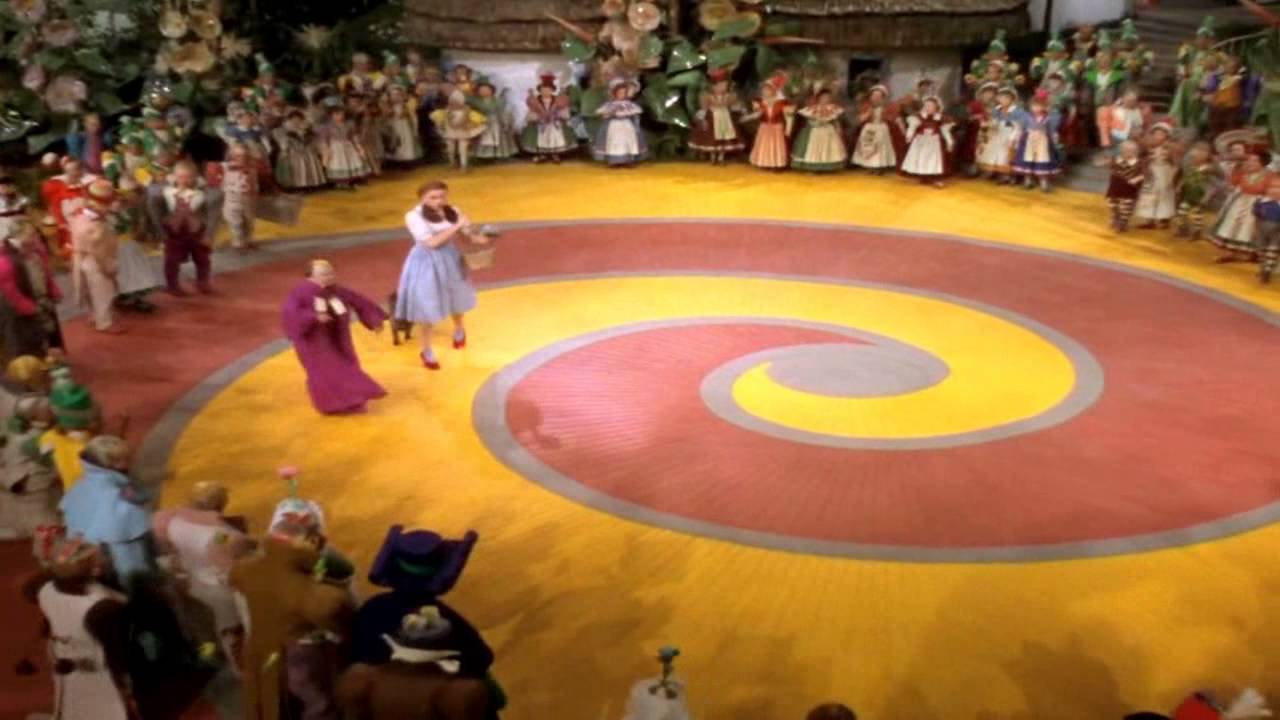
This is the setup for YellowBrickRoad, a movie that came out in 2010 and somehow managed to become a permanent resident in the back of the minds of everyone who watched it on a random Tuesday night. It isn't a Wizard of Oz remake. Far from it. This is a low-budget, high-concept descent into madness that uses sound as a weapon.
Honestly, if you haven't seen it, you might think it’s just another "found footage" flick from that post-Paranormal Activity era. It’s not. It’s shot traditionally, but it feels claustrophobic. It feels wrong.
What Actually Happens in the YellowBrickRoad Movie?
The plot follows a group of researchers, led by Teddy Barnes (played by Cassidy Freeman), who get their hands on coordinates for the trail. They want to find out what happened to the 500-plus people who vanished. They’re arrogant. They’re prepared. They have GPS units and enough supplies to last weeks.
Then the music starts.
It isn’t a soundtrack. It’s diegetic. The characters hear it. Faint, crackly 1930s big band music echoing through the trees. It’s coming from everywhere and nowhere. You’ve probably experienced that "earworm" feeling where a song gets stuck in your head, right? Imagine that, but it’s playing at 80 decibels in the middle of a forest where there are no speakers and no power sources.
The yellow brick road movie doesn't rely on jump scares. It relies on the psychological erosion of the human mind. The music never stops. It gets louder. It distorts. It turns into white noise and screaming brass instruments. The characters stop sleeping. They stop trusting each other. They start doing things that make absolutely no sense, which is exactly what happened to the original townspeople.
The Problem With the Ending
People hate the ending. Or they love it because it’s so frustrating. Without spoiling the literal final frame, the movie takes a sharp turn from "survival horror" into "existential surrealism."
The directors, Jesse Holland and Andy Mitton, weren't interested in giving you a monster or a ghost. They wanted to explore the idea of a geographical location that is just fundamentally broken. The "road" isn't a road. It's a trap. Some viewers felt cheated because there’s no "why." There’s no ancient curse explained by a local shaman. There’s no government experiment gone wrong. There is only the trail and the madness it induces.
If you’re the kind of person who needs a neat bow on your horror, this will drive you crazy. If you like the feeling of "I don't know what I just saw but I need a shower," you're in the right place.
The Sound Design is the Real Star
We need to talk about the audio. Most horror movies use "stingers"—that loud BANG when a cat jumps out of a cupboard. YellowBrickRoad does something much more devious.
The filmmakers used a lot of low-frequency sounds. In the industry, they sometimes talk about "infrasound," which is sound below the range of human hearing that can cause physical feelings of dread or even nausea. While I can't prove they used specific infrasound frequencies, the layering of the audio is intentional.
- The crackle of old vinyl records.
- Distorted trumpets that sound like human screaming.
- Long stretches of silence followed by a wall of white noise.
It creates a physical reaction. By the time the characters are losing their minds, you, the viewer, are usually feeling pretty agitated yourself. It’s an endurance test. It’s impressive for a movie with a tiny budget that it can evoke such a visceral response through a set of speakers.
Why the Friar Legend Isn't Real (But Feels Like It)
A lot of people come away from the yellow brick road movie googling "Friar New Hampshire 1940."
It’s not real.
The story is a clever bit of world-building that echoes real-life mysteries like the Mary Celeste or the Dyatlov Pass incident. In the Mary Celeste case, a ship was found abandoned in 1872 with everything in place but the crew missing. The Dyatlov Pass incident involved nine hikers in the Ural Mountains who fled their tents in the middle of the night for no apparent reason, only to be found dead later with bizarre injuries.
The movie taps into that specific fear of "collective hysteria." Why would a whole town just walk into the woods? The film suggests that the environment itself dictated the behavior. It turns the forest into a character. It's not a place where you get lost; it's a place that eats your personality.
The Cast and the Chemistry
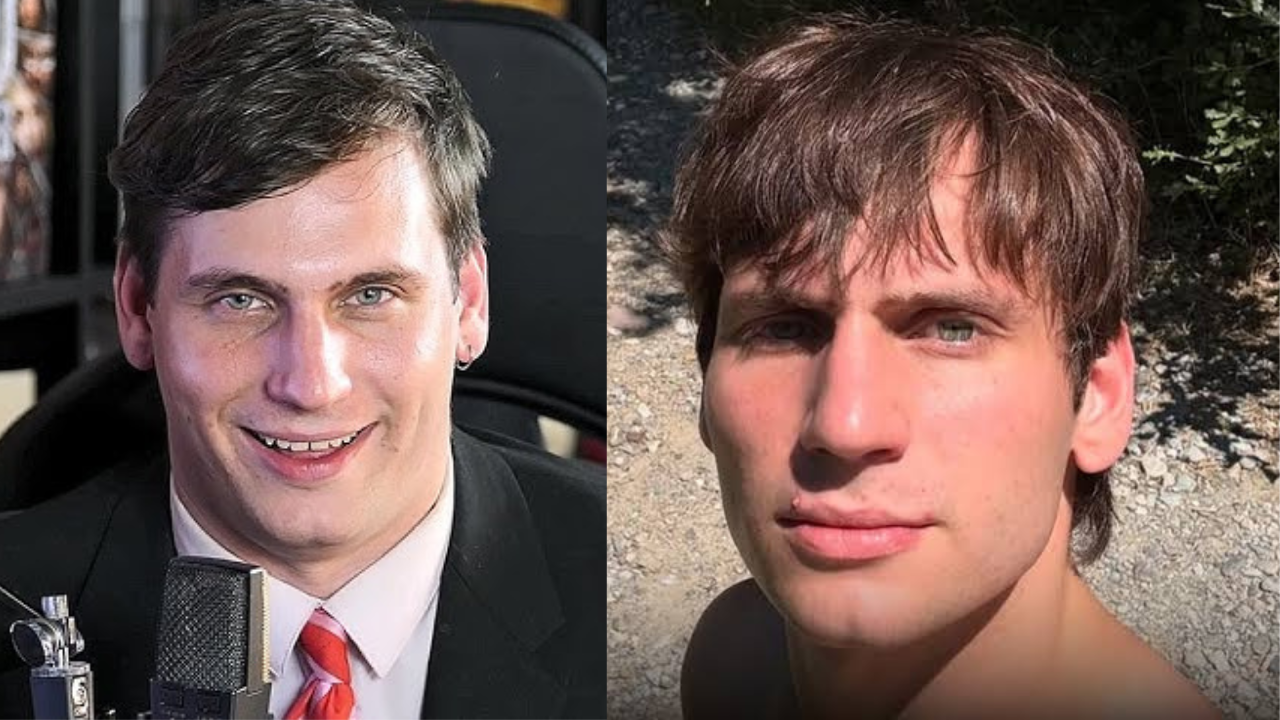
Cassidy Freeman is great here. Most people know her as Tess Mercer from Smallville, and she brings a similar grounded intensity. Alongside her is Clark Freeman (her real-life brother), who plays a character that goes through one of the most disturbing transformations in the film.
The acting is surprisingly "un-actorly." They feel like a group of nerds and researchers who are way out of their depth. When they start to turn on each other, it doesn't feel like a scripted "slasher" trope. It feels like sleep deprivation. It feels like the irritability you get when you’ve been on a long car ride with people you’re starting to hate, but dialed up to eleven.
Comparing YellowBrickRoad to Modern Horror
Since 2010, we’ve seen a surge in "folk horror" and "liminal space" horror. Movies like The Ritual or Midsommar deal with similar themes—groups of people in the wilderness being picked apart by things they don't understand.
However, YellowBrickRoad feels more lo-fi. It has a gritty, digital look that makes it feel like you’re watching something you shouldn't be. It shares DNA with The Blair Witch Project, but it trades the "found footage" gimmick for a more theatrical, almost stage-play vibe in certain scenes.
One specific scene involves a character sitting on a rock, calmly explaining something terrible that is about to happen. It’s quiet. There are no special effects. It’s just the raw realization that the laws of physics and morality have stopped applying. That’s where the movie shines. It’s in the quiet moments of insanity, not the gore.
Is It Worth a Watch?
Look, this isn't a masterpiece of cinema. It’s flawed. The pacing slows to a crawl in the middle. Some of the digital effects in the final act look a bit dated now. But if you are a horror fan who is tired of the same old "haunted house" jump scares, this is a must-watch.
It’s a movie about the loss of self. It’s about how easily we break when the world stops making sense.
What to Watch Out For
- The Audio Levels: Be careful if you’re wearing headphones. The movie purposefully fluctuates volume to rattle you.
- The "Gore" Scene: There is one specific scene involving a leg that is... let's just say it's memorable. It's practical effects, and it's deeply upsetting because of how "matter-of-fact" it is.
- The Ambiguity: Don't expect a wiki-style explanation of the plot at the end. You have to interpret the "yellow brick road" metaphor for yourself.
Actionable Insights for Horror Fans
If you're planning to dive into the yellow brick road movie, or if you've seen it and want to find more like it, here is how to approach this specific sub-genre of "weird fiction" horror:
Watch with a high-quality sound system. Do not watch this on your phone or laptop speakers. You will miss 50% of the experience. The spatial disorientation of the sound design is the entire point of the film.
Research the Dyatlov Pass Incident. If the "mystery of the abandoned town" part of the movie fascinated you, look into the real history of unexplained mass disappearances. It adds a layer of dread to the viewing experience when you realize that while Friar is fictional, the phenomenon of people "naturally" losing their minds in the wilderness has historical precedent.
Check out "The Ritual" or "Enys Men". If you liked the "geography as an enemy" vibe, these films are great companion pieces. The Ritual (2017) handles the "lost in the woods" trope with a more creature-feature twist, while Enys Men (2022) is an even more abstract take on isolation and psychological decay.
Don't over-analyze the ending. The ending is a sensory experience. Trying to find a "logical" explanation for the final room is a fool's errand. Think of it as a literalization of the characters' mental states. They followed the path to its logical conclusion, and the conclusion was a void.
The movie remains a cult classic for a reason. It doesn't play by the rules, and it doesn't care if you're comfortable. It's a reminder that sometimes, the scariest thing isn't what's hiding in the woods—it's what the woods do to your head.