Lorde was seventeen. That's the first thing you have to remember. While most teenagers were stressing over SATs or what to wear to prom, Ella Yelich-O’Connor was hand-picking icons like Grace Jones and Kanye West for a blockbuster movie soundtrack.
Yellow Flicker Beat wasn't just a song for a movie credits roll. Honestly, it was a moment where the "Royals" singer proved she wasn't a one-hit-wonder. She was a curator. A visionary.
The track landed in 2014 as the lead single for The Hunger Games: Mockingjay – Part 1. It didn't sound like the folk-heavy music from the previous films. It was dark. It was twitchy. It felt like standing in a cold, damp basement in District 13.
The Katniss Connection
Lorde didn't just write a generic pop song about fighting. She actually reread the books. She wanted to crawl inside Katniss Everdeen’s head, which, if you've read Suzanne Collins’ trilogy, is a pretty messy, traumatic place to be.
The lyrics are hyper-specific. "My necklace is of rope, I tie it and untie." That’s a direct nod to the "Hanging Tree" lore and the survivalist knots Katniss is obsessed with. It’s a song about someone who has been "cut from marble" and "pushed to the edge."
You can hear the exhaustion in her voice during the verses. Then the beat kicks in. It's a thumping, relentless electronic pulse that mirrors the internal "flicker" of a girl becoming a symbol she never asked to be.
Why the Production Hits Different
Joel Little and Paul Epworth produced the track, and they didn't play it safe. They used minimal synths and weird vocal samples. It’s "art pop" at its most mainstream, yet it feels completely underground.
- The hum. The song starts with this low, melodic humming that sounds like a prayer or a mourning ritual.
- The drop. When the drums finally hit, it isn’t a celebratory EDM drop. It’s heavy.
- The "Kanye Rework." If the original was a flicker, the remix Kanye West did was a full-on ambient nightmare. It stripped away the synths and left something hollow and haunting.
Critics at the time, like those at Rolling Stone, pointed out how well it fit Lorde's "sonic wheelhouse." It was moody. It was mature. Basically, it bridged the gap between the teenage angst of Pure Heroine and the high-art heartbreak of Melodrama.
The Industry Snub and the Legacy
Despite being a Top 40 hit and getting a Golden Globe nomination, the Academy ignored it. The Oscars snubbed Yellow Flicker Beat for Best Original Song, which sparked a fair amount of backlash. Billboard called it a "shoo-in" that got robbed.
Does that matter now? Not really.
Fans still talk about her 2014 American Music Awards performance. She started the song in a glass box. She ended it with her signature "witchy" dancing while her friend Taylor Swift cheered from the front row. It was peak 2014 culture.
The song has aged remarkably well. While other movie tie-in songs feel dated the second the DVD leaves the shelves, this one still feels vital. It's about the cost of power. It's about being "done with it."
Take Action: How to Revisit the Flicker
If you haven't listened to the track in a few years, do yourself a favor and put on some high-quality headphones.
- Listen for the "Hanging Tree" reference: Notice how the "necklace of rope" line changes the vibe of the second verse.
- Compare the versions: Play the original back-to-back with the "Flicker" Kanye West Rework. The difference in "heat" is wild.
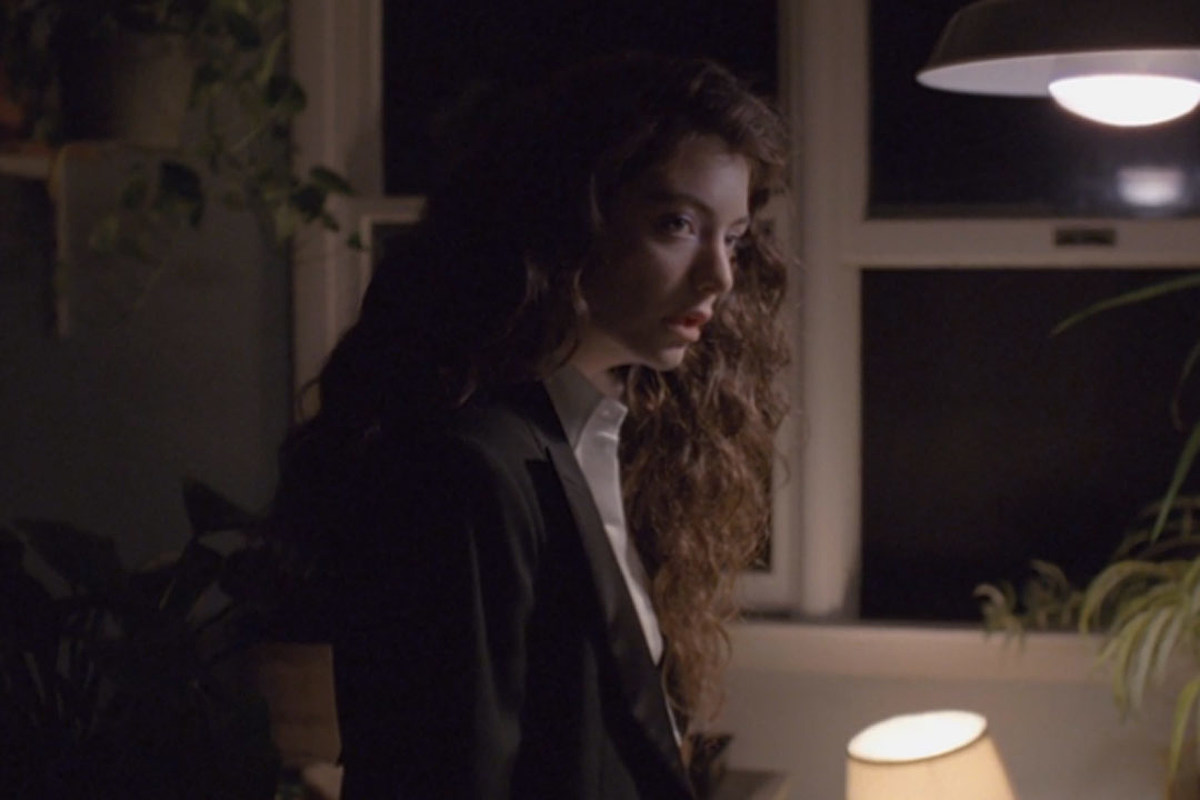
- Watch the video: Directed by Emily Kai Bock, the visuals show Lorde shifting through different personas—a motel room loner, a ballroom guest, a girl in a hangar. It’s not a story; it’s a mood.
Check out the rest of the Mockingjay – Part 1 soundtrack too. Lorde brought in Chvrches, Tove Lo, and Raury before they were household names. She didn't just make a song; she built a world.