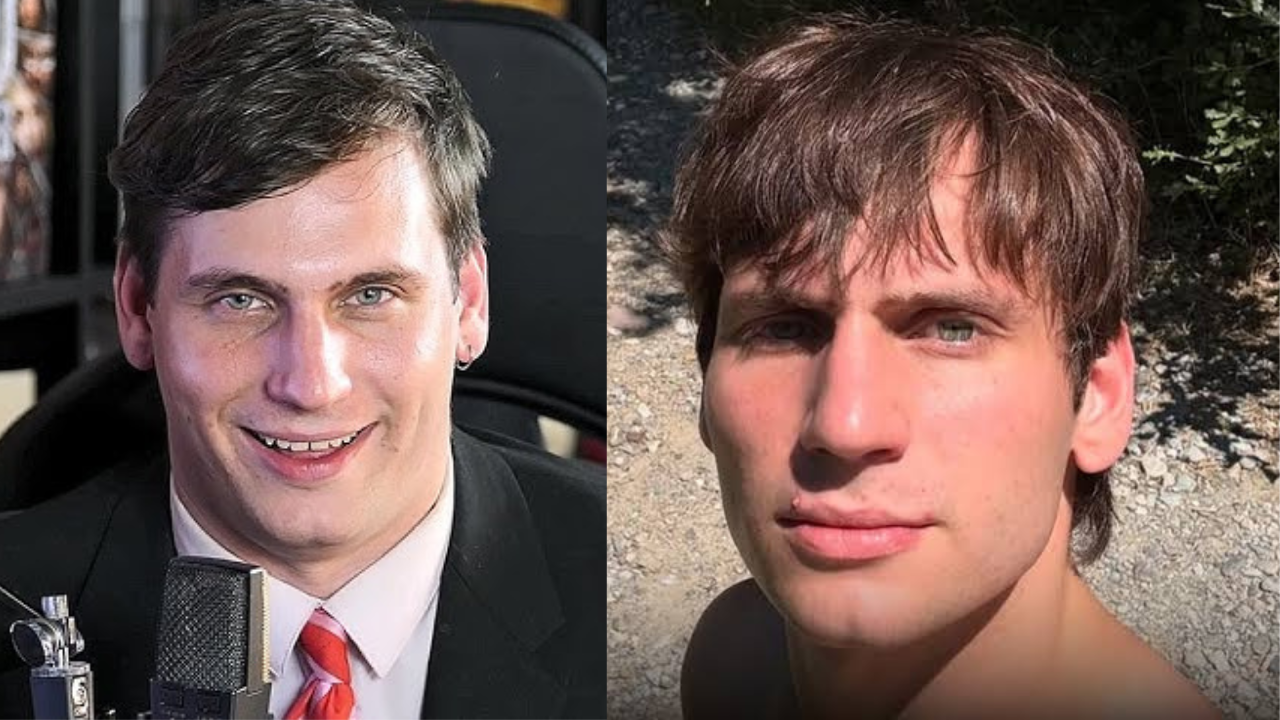
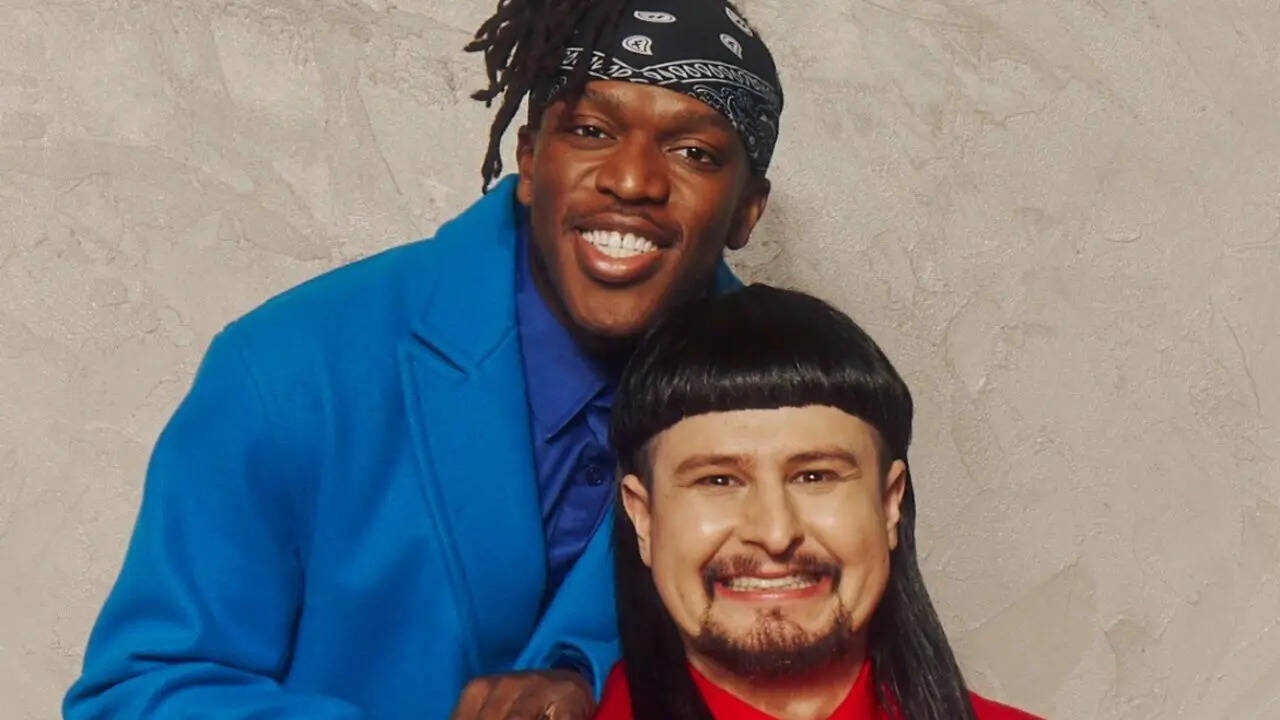
You've probably seen it. A grainy photo of two guys—often looking like they’re just hanging out or maybe caught in a candid moment—with that iconic, slightly defiant caption: yeah we gay keep scrolling. It’s blunt. It’s funny. It’s arguably one of the most resilient pieces of internet culture to emerge from the late 2010s. But if you think it’s just another shitpost, you’re missing the bigger picture of how digital queer spaces actually function.
Internet memes move fast. Most die in a week. This one didn’t.
Actually, the "yeah we gay keep scrolling" energy has transformed from a simple image macro into a defensive mechanism for LGBTQ+ creators. It’s a vibe. It’s a way of existing online without asking for permission or offering an explanation to the "straight" gaze. It basically tells the viewer: "We are here, we are doing our thing, and your opinion is so irrelevant that you should just flick your thumb and move on."
Where did yeah we gay keep scrolling actually come from?
The origins are a bit murky, as most legendary memes are, but the consensus points toward Tumblr and early Twitter circles around 2017 and 2018. The original image featured two young men, often identified as a couple, looking directly into the lens. The text wasn't polished. It wasn't "brand-friendly" activism. It was low-res and high-impact.
Digital archivists at sites like Know Your Meme have tracked the spread of the phrase through various iterations. It wasn't long before it jumped from the original photo to literally any pair of characters—fictional or real—who shared even a hint of chemistry. We’re talking about everything from Supernatural’s Dean and Castiel to obscure anime pairings and even inanimate objects.
Why did it stick? Honestly, it’s the nonchalance.
For years, queer representation in media was "The Very Special Episode." It was tragic, or it was a struggle, or it was a grand coming-out reveal. This meme flipped the script. It normalized the relationship so hard that it became boring—in a good way. It signaled a shift in how Gen Z approached identity. Identity isn't always a debate; sometimes it’s just a fact of life that doesn't require a comment section.
The Psychology of the Digital "Keep Scrolling"
There’s a specific psychological comfort in the "keep scrolling" part of the phrase. Dr. Adrienne Shaw, an associate professor at Temple University and author of Gaming at the Margins, has written extensively about how queer people find and claim spaces online. She talks about the idea of "informal archives" and how marginalized groups use digital tools to build community.
When someone posts yeah we gay keep scrolling, they are setting a boundary.
In a digital world where every post is an invitation for a comment, a like, or a critique, this meme acts as a "No Trespassing" sign for trolls. It’s a preemptive strike against the "I’m not homophobic but..." crowd. By telling the audience to keep scrolling, the creator is reclaiming the power of the interaction. You aren't watching them; they are letting you pass by.
It’s also about the "in-group" signal. If you get it, you laugh. If you’re offended, the meme already told you what to do: leave.
Why the Grainy Aesthetic Matters
Have you noticed how these memes are never 4K?
There is a concept in internet studies called "the poor image," famously coined by artist Hito Steyerl. A "poor image" is a copy of a copy—compressed, pixelated, and shared a thousand times. Steyerl argues that these low-quality images are actually more "democratic" because they move faster and belong to the people who share them, rather than a corporate studio.
The low-fi nature of yeah we gay keep scrolling makes it feel authentic. It looks like it was made on a cracked iPhone screen in a basement. That’s the point. It’s the antithesis of a polished corporate Pride Month ad. It’s messy. It’s real. It’s human.
Impact on Fandom Culture and "Shipping"
You can’t talk about this meme without talking about fandom. This is where the phrase really grew legs and started running.
In the world of "shipping" (rooting for two characters to be in a relationship), fans often face pushback from more conservative parts of a fandom or even the creators themselves. Think about the "Queerbaiting" debates surrounding shows like Sherlock or Stranger Things.
Fans started using the phrase to validate their own interpretations.
- Example: A fan posts fanart of two male characters holding hands.
- The Caption: yeah we gay keep scrolling.
It shuts down the argument before it starts. It says, "In this space, this is canon. If you don't like it, the exit is that way." This has created a safer ecosystem for queer artists to share work without feeling the need to defend the "logic" of their art to every stranger on the timeline.
How the Meme Evolved Into 2026
While we’re looking at this from the perspective of 2026, the meme has morphed into something even broader. It’s become a template for "Yeah [X] keep scrolling." It’s a linguistic shortcut for radical self-acceptance.
We’ve seen "Yeah we neurodivergent keep scrolling" or "Yeah we broke keep scrolling."
But the "gay" version remains the blueprint. It’s the original "don't perceive me" post. In an era of hyper-surveillance and the "TikTok-ification" of every private moment, there is something deeply rebellious about asking to be ignored.
We live in an attention economy. Everyone wants you to stop, look, buy, and click. To tell someone to keep scrolling is to reject the very currency of the internet. It’s a flex. It’s saying, "My existence isn't content for your consumption. It’s just my life."
The "Irony Post" Layer
We also have to acknowledge the layers of irony here. Sometimes the meme is used ironically with two characters who are clearly not gay, or are even enemies. This is "shitposting" in its purest form. It pokes fun at the seriousness of identity politics by applying the label to the most absurd situations possible.
This irony doesn't diminish the queer roots of the meme. Instead, it shows how comfortable the community has become with its own tropes. You can only joke about something once you truly own it.
The Commercial Trap (and why it failed)
Brands tried to jump on this. Of course they did.
Around 2021, you’d see "relatable" brand Twitter accounts trying to mimic this tone. It almost always failed. Why? Because a brand can’t tell you to keep scrolling. A brand needs you to stop. When a corporation uses yeah we gay keep scrolling, it feels like a cop-out. It feels like they’re trying to avoid the actual work of supporting the community by hiding behind a "cool" meme.
The community smelled the fakes instantly. The meme belongs to the individuals, the kids in their bedrooms, and the fans on Discord. It doesn't belong to a fast-food chain's social media manager.
Real Talk: The Limitations of Meme Activism
Is a meme enough? No. Obviously.
While yeah we gay keep scrolling provides a sense of community and a quick laugh, it doesn't change legislation or fix the very real issues facing LGBTQ+ people globally. Experts in digital sociology often warn against "slacktivism"—the idea that posting a meme is the same as taking action.
However, we shouldn't dismiss the importance of "micro-affirmations."
Seeing a meme that mirrors your life—without judgment—can be a massive deal for a kid in a town where they don't know any other queer people. It’s a signal that they aren't alone. It’s a digital lighthouse.
Moving Past the Screen
So, how do you take that "keep scrolling" energy into the real world? It’s about the confidence to exist without explanation.
If you’re looking to support queer spaces or just live more authentically, here are some actionable ways to channel that energy:
- Protect Your Peace: You don't owe an explanation to everyone who questions your identity or lifestyle. "Keep scrolling" is a valid life philosophy.
- Support Low-Fi Creators: Look for the artists and writers who aren't polished or "brand-safe." They are often the ones doing the most interesting work.
- Recognize Digital Boundaries: Understand that just because someone posts something online doesn't mean they want your critique. Sometimes, just scrolling past is the most respectful thing you can do.
- Audit Your Feed: If you find yourself constantly getting into "discourse" that drains you, remember the meme. You have the power to just keep scrolling.
- Build Offline Community: Memes are great, but they’re better when you’re laughing at them with friends in person. Use the internet to find your people, then go hang out with them.
The legacy of yeah we gay keep scrolling isn't just about the words. It's about the shift from asking for a seat at the table to just building your own table and not caring if anyone else sits there. It’s about the power of being unbothered.
Next time you see a post that makes you want to argue or judge, remember the two guys in the grainy photo. Take their advice. Mind your business. Just keep scrolling. It’s better for everyone’s mental health.