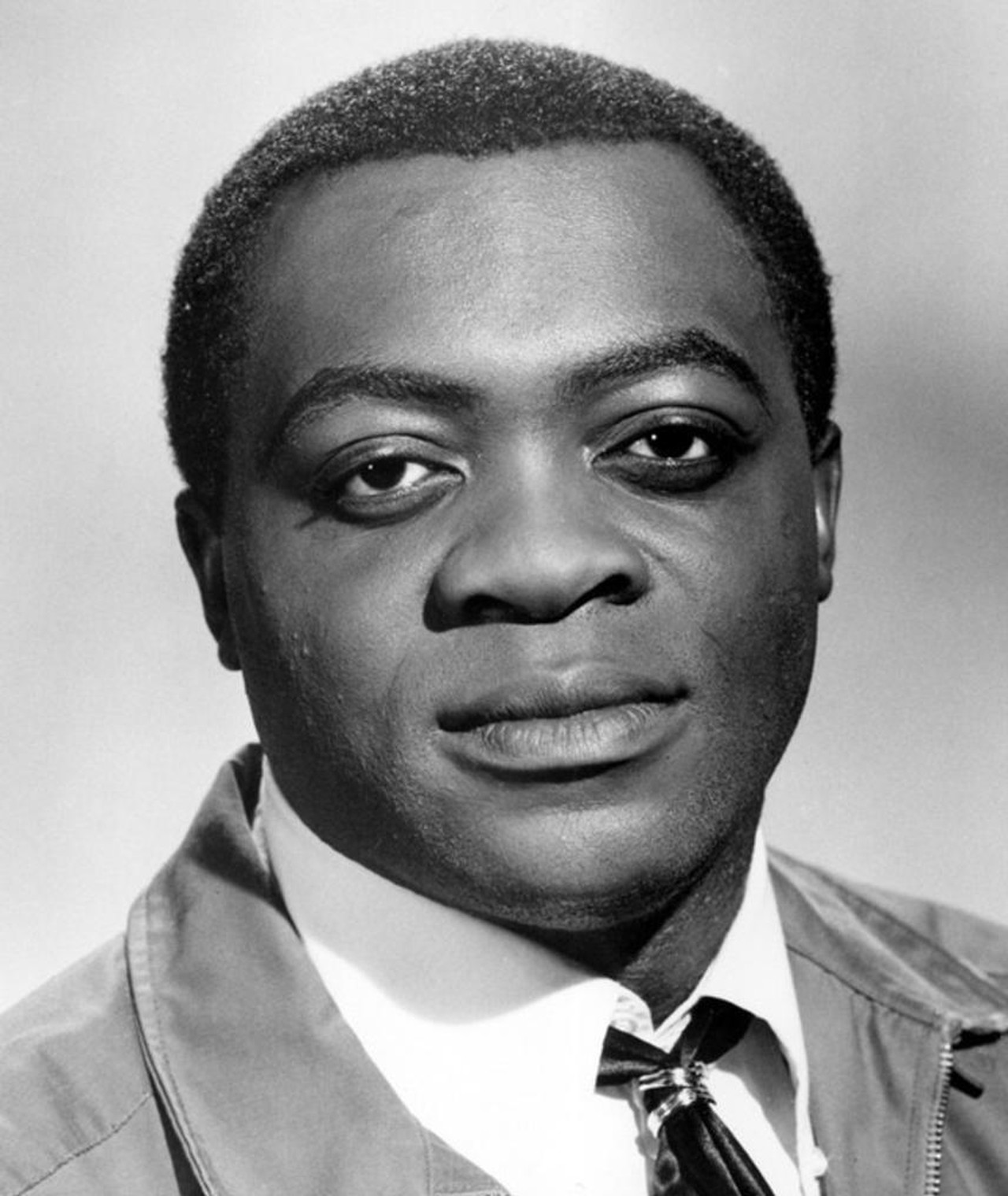
Honestly, if you only know Yaphet Kotto as the guy who got inflated like a balloon in Live and Let Die or the grumpy engineer Parker in Alien, you’re missing out on the best part of his legacy. While he was a titan on the big screen, Yaphet Kotto TV shows are where he actually got to stretch. He didn't just play characters; he inhabited them with this heavy, soul-weary gravitas that most actors would kill for.
He was a big man. Intimidating? Definitely. But on television, he found a way to be vulnerable, cerebral, and—believe it or not—deeply Italian.
The One We All Remember: Homicide: Life on the Street
When people search for Yaphet Kotto TV shows, 90% of them are looking for Homicide: Life on the Street. It ran from 1993 to 1999 on NBC. Kotto played Lieutenant Al "Gee" Giardello. Now, here’s the thing that kinda blows people’s minds today: Giardello was a Black Sicilian.
He spoke Italian. He obsessed over the perfect espresso. He had this specific, refined dignity that sat right alongside his ability to terrify a room full of rowdy detectives just by lowering his voice.
Homicide wasn't your typical cop show. It was gritty. It was shot on 16mm film in Baltimore. It felt real. Kotto’s "Gee" was the anchor of that precinct. He wasn't some untouchable boss; he was a man constantly fighting the "red ball" cases and the suits upstairs to protect his detectives. He played that role for seven seasons, and if you haven't seen it, you're genuinely missing one of the best performances in TV history.
The Crossover King
Kotto’s Giardello was so iconic he actually crossed over into the Law & Order universe. This happened back in 1997 during the episode "Baby, It's You." Seeing him trade barbs with Jerry Orbach’s Lennie Briscoe was a masterclass in screen presence. It wasn't a stunt; it felt like a collision of two distinct, lived-in worlds.
The Emmy Nomination Nobody Talks About
Before he was the boss in Baltimore, Kotto turned in a performance that was frankly terrifying and brilliant. In 1977, he starred in the TV movie Raid on Entebbe.
He played Idi Amin.
He was nominated for an Emmy for it. Think about that—decades before Forest Whitaker won an Oscar for the same role, Kotto was already there, nailing the complex, unpredictable energy of the Ugandan dictator. He brought a terrifying level of charisma to the part. It's one of those "buried" Yaphet Kotto TV shows that deserves way more respect than it gets in the era of streaming.
Guest Spots and the "Working Actor" Years
Kotto didn't just walk into lead roles. He spent years as the "guest star who steals the show."
You can find him in almost every major series from the 60s and 70s.
- Hawaii Five-O: He played a Marine Lance Corporal in the 1969 episode "King of the Hill."
- The Big Valley: He appeared twice, once as a character named "Lobo" Brown.
- Bonanza: He popped up in the tenth season.
- Gunsmoke: A gritty appearance in "The Scavengers."
- The A-Team: He played a mobster named "East Side Charlie." Seriously.
He even showed up in Murder, She Wrote and SeaQuest DSV. The man was a workhorse. He didn't care if the role was "prestige" or just a weekly paycheck; he brought the same intensity to everything.
The Military Vibe: For Love and Honor
In the early 80s, Kotto had a lead role in a show called For Love and Honor. He played Sergeant James "China" Bell. It was basically a drama about life on a military base. It only lasted one season, but it's a great example of him playing a different kind of authority figure. It wasn't the "wise mentor" vibe of Giardello; it was more the "drill sergeant with a heart of gold" trope, but Kotto made it feel less like a cliché.
Why He Turned Down Star Trek
This is a fun bit of trivia that usually pops up when discussing Yaphet Kotto TV shows. Did you know he was offered the role of Captain Jean-Luc Picard in Star Trek: The Next Generation?
He turned it down.
He reportedly said he didn't want to do television at the time because he wanted to stay in features. He also mentioned later that he didn't want to be "the guy in space" again after Alien. He actually regretted it later, which is wild to think about. Can you imagine a Giardello-esque Picard? The Borg wouldn't have stood a chance.
Practical Ways to Watch Him Today
If you're looking to dive into the best of Yaphet Kotto's television work, here is the hierarchy of where to start:
- Homicide: Life on the Street: This is the gold standard. It’s finally hitting some streaming services after years of music-licensing hell. Watch the episode "Three Men and Adena" if you want to see the show at its peak.
- Raid on Entebbe: It’s often available on YouTube or through specialty DVD retailers. It’s a historical capsule.
- Midnight Run (The TV Movies): While the 1988 film is a classic, Kotto’s Agent Alonzo Mosely was such a hit that the character's DNA lived on in the subsequent TV movie sequels (though Kotto didn't always return for all of them, the character was his creation).
- The Wire: Kotto didn't act in it, but his influence is all over it. David Simon, who wrote the book Homicide was based on, created The Wire. If you like the realism Kotto brought to the precinct, you’ll see the seeds of it here.
Yaphet Kotto was one of those actors who didn't need a monologue to tell you who he was. He could just look at a suspect, or a detective, and you’d see thirty years of history in his eyes. He wasn't just a "Black actor" or a "character actor." He was a force of nature who made the small screen feel a whole lot bigger.
Go find Homicide. Start from Season 1. You'll see exactly what I mean.